2003 Buick LeSabre Serpentine Belt Diagram and Routing Information
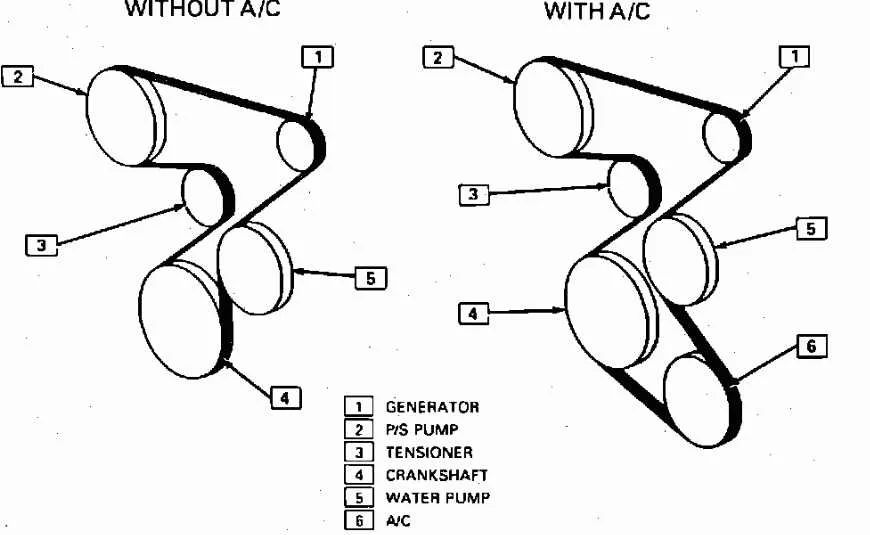
If you need to replace or inspect the serpentine belt on your 2003 Buick LeSabre, understanding the correct routing is key. The serpentine belt diagram will guide you through the proper belt path, ensuring that each component operates efficiently. Without the right diagram, you risk misrouting the belt, which can cause serious engine damage.
The serpentine belt on the 2003 LeSabre drives essential components such as the alternator, power steering pump, air conditioning compressor, and water pump. Incorrect placement can lead to overheating or power loss. Refer to the diagram to avoid unnecessary wear on the components.
Before starting the repair, make sure you have the proper tools, including a tensioner tool to relieve the pressure on the belt. Follow the diagram closely to avoid mistakes, and check the belt for signs of wear or cracks. A well-installed belt ensures smooth engine operation, extending the life of key components.
2003 Buick LeSabre Belt Diagram
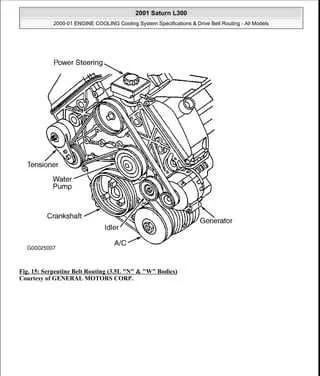
For accurate belt routing on the 2003 Buick LeSabre, follow the diagram below to ensure the serpentine belt is installed correctly. Misalignment can lead to excessive wear or damage to engine components.
- Start with the crankshaft pulley. The belt loops around it and proceeds upwards.
- It then moves over the tensioner pulley. Make sure it’s positioned in a way that allows the tensioner to apply the correct amount of pressure on the belt.
- Next, the belt should pass around the alternator pulley, ensuring a firm connection for power distribution.
- After that, route the belt over the air conditioning compressor pulley.
- The belt then loops around the power steering pump pulley and heads towards the idler pulley.
- Finally, the belt should complete its loop back to the crankshaft pulley.
Check the belt regularly for wear and tear. A worn belt can cause poor performance or failure of key engine systems. Replacing it at the recommended intervals helps maintain your vehicle’s reliability and efficiency.
How to Identify the Correct Belt Routing for 2003 Buick LeSabre
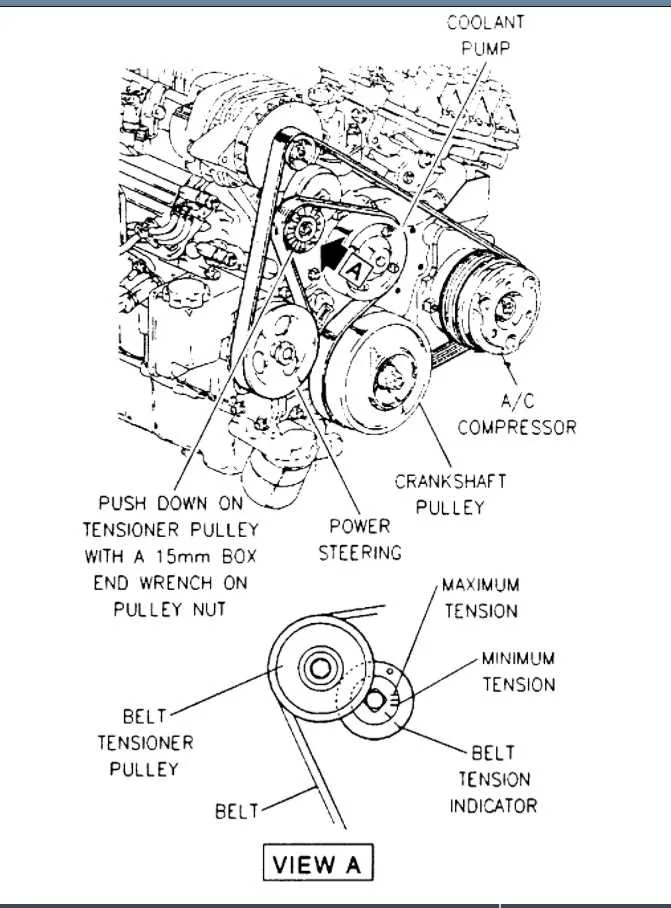
To identify the correct belt routing for your 2003 Buick LeSabre, locate the serpentine belt routing diagram. This diagram is typically found on a label near the radiator support, on the engine bay’s underside, or on the fan shroud. If the diagram is missing or unreadable, refer to the vehicle’s service manual for the correct routing pattern.
Start by noting the position of the crankshaft pulley, which is usually located at the bottom of the engine. From there, trace the belt’s path, moving it across various pulleys, including the alternator, power steering pump, water pump, and air conditioning compressor. Ensure the belt goes over and under the pulleys according to the diagram’s directions. Each pulley has a specific role, and the belt must follow the exact path to ensure proper engine operation.
If you don’t have the diagram, measure the length of the existing belt and compare it with the replacement belt, ensuring the new one matches. For added accuracy, consider using a tool like a serpentine belt tool to remove and reinstall the belt while following the correct routing path.
When in doubt, consult a certified mechanic to double-check the routing to avoid damage to engine components. Proper belt installation ensures smooth engine performance and avoids unnecessary wear on pulleys and other parts.
Step-by-Step Guide to Replacing Serpentine Belt on 2003 Buick LeSabre
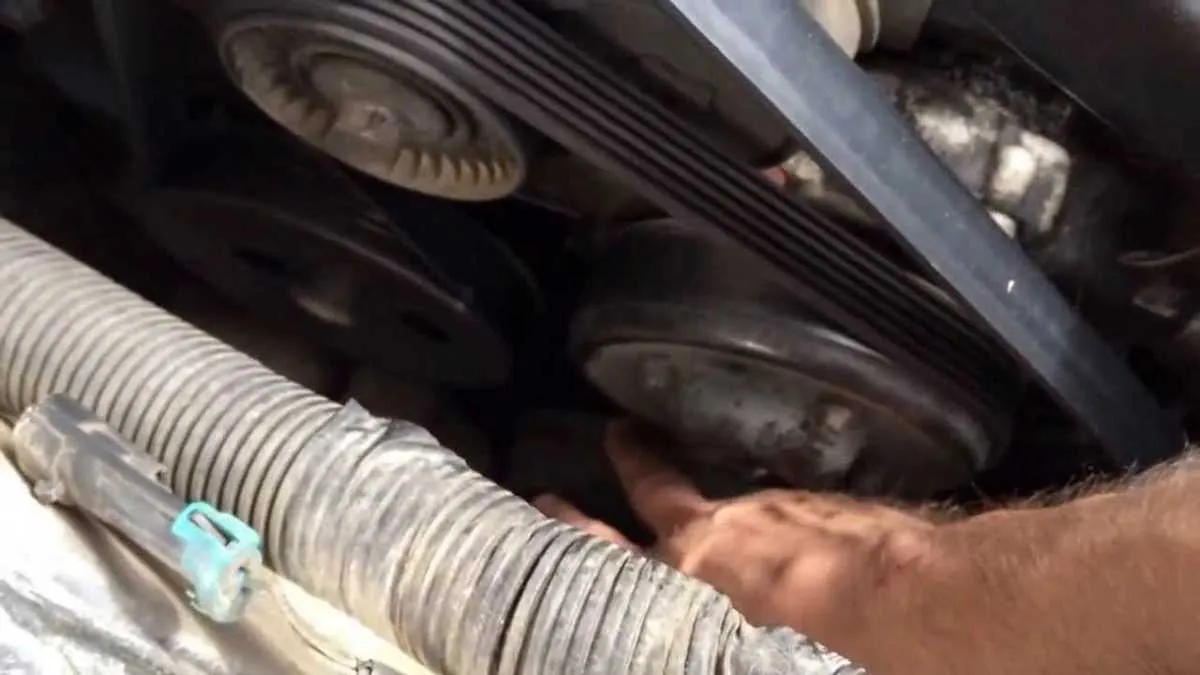
Lift the car with a jack and secure it using jack stands. Ensure stability before starting the work.
Find the serpentine belt at the front of the engine. It runs over several pulleys, including the alternator, power steering pump, and air conditioning compressor.
Locate the tensioner pulley. Use a wrench to turn it counterclockwise, which will release tension on the belt.
Remove the belt by sliding it off the pulleys. Refer to the belt routing diagram to ensure proper installation later. If the diagram is not available, take a photo of the current setup.
Place the new serpentine belt over the pulleys, following the correct path. Ensure it is positioned in the grooves of each pulley.
Re-engage the tensioner pulley by rotating it back into place, securing the new belt with proper tension.
Lower the car and start the engine. Observe the belt’s movement to confirm it runs smoothly without misalignment.
Dispose of the old belt and clean up the area. The replacement is complete if everything functions correctly.
Troubleshooting Common Belt-Related Issues in 2003 Buick LeSabre
If the belts in your 2003 Buick LeSabre are squealing, slipping, or causing engine performance issues, it’s time to address the problem. The most common belt-related concerns are worn-out serpentine belts, misaligned pulleys, or tensioner issues. Here’s how to troubleshoot effectively.
1. Squealing Noise – A high-pitched squeal usually indicates that the serpentine belt is slipping. This can happen if the belt is too loose or worn. Check the tensioner to ensure it’s applying the proper pressure to the belt. If the belt looks cracked, frayed, or glazed, it’s time to replace it. Also, ensure all pulleys are aligned properly and are spinning freely without any resistance.
2. Belt Slipping Off – A belt that frequently slips off could be the result of misaligned pulleys or a faulty tensioner. Inspect the pulleys for wear and check the belt for any signs of damage. If the pulleys seem fine, the tensioner may not be maintaining the correct tension and should be replaced.
3. Poor Engine Performance – If the engine is struggling or losing power, check the serpentine belt to see if it’s providing adequate power to accessories such as the alternator, power steering pump, and air conditioning compressor. A failing belt can affect these components, causing reduced engine performance. Replacing the belt may restore normal operation.
4. Tensioner Issues – A weak or malfunctioning tensioner will fail to keep the serpentine belt at the correct tension. If the tensioner moves too freely or has visible wear, replace it. You can test the tension by pressing on the belt at its longest span. If the belt moves more than a half inch, the tensioner is likely too loose.
By systematically addressing these common issues, you can restore your 2003 Buick LeSabre’s belt system and prevent future complications. Regular inspection and timely belt replacement will help maintain your vehicle’s overall performance.