Duramax Serpentine Belt Routing Diagram and Installation Guide
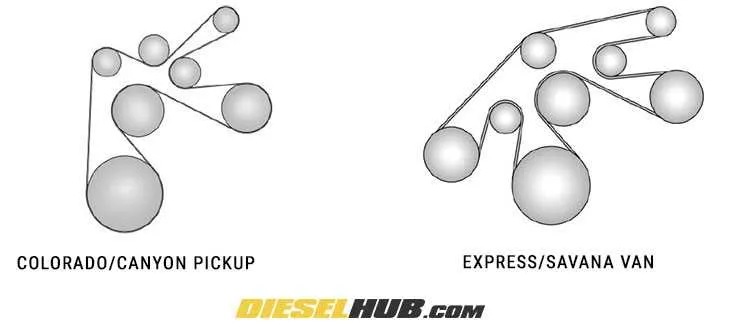
For anyone working on a Duramax engine, understanding the serpentine belt layout is key for smooth operation. The diagram clearly shows how the belt interacts with various components such as the alternator, power steering pump, water pump, and air conditioning compressor. Knowing the correct routing ensures the belt runs efficiently, preventing premature wear or damage.
It’s vital to refer to the exact diagram for your engine model as the serpentine belt configuration can vary. Typically, the diagram is found on the radiator support or under the hood. If it’s not available, several online resources provide detailed layouts specific to each year and engine type.
Pay attention to the tensioner pulley in the diagram. It’s crucial for maintaining the correct belt tension. Over time, this pulley may wear out or lose its tension, causing the belt to slip or fail. Make sure to inspect this part regularly to keep the system functioning properly.
By following the diagram and performing periodic checks, you ensure your Duramax engine operates at peak efficiency, minimizing the risk of unexpected repairs.
Duramax Serpentine Belt Diagram
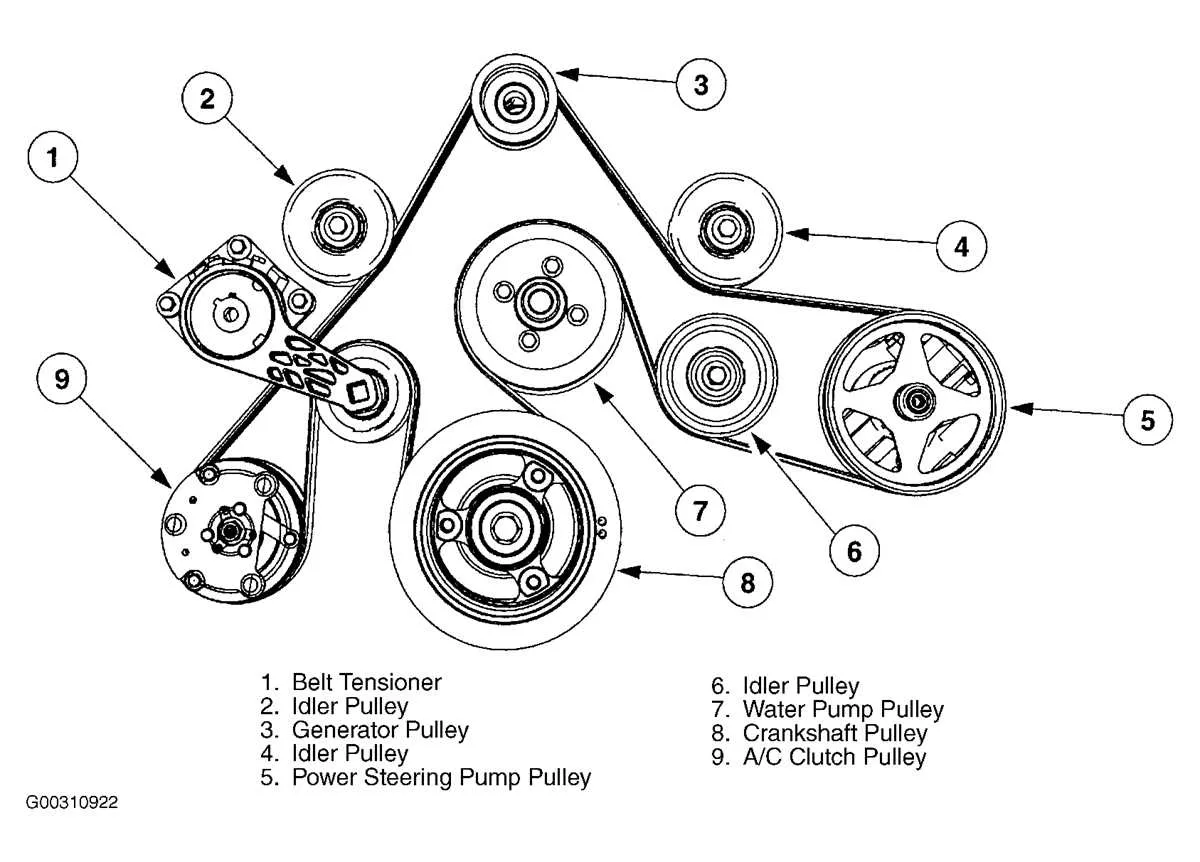
To replace or service the serpentine belt on a Duramax engine, it’s crucial to follow the proper routing diagram. The belt plays a key role in driving multiple engine components like the alternator, power steering pump, and air conditioning compressor. Without the correct routing, components may not function properly, leading to engine issues.
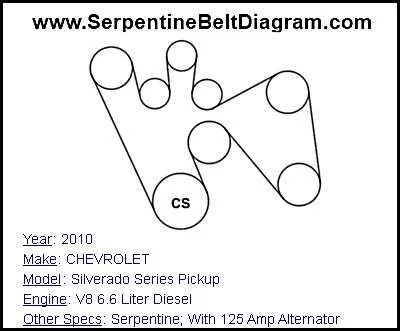
The Duramax serpentine belt diagram typically includes the following components in the belt loop: the crankshaft pulley, tensioner pulley, idler pulley, alternator, air conditioning compressor, and power steering pump. Depending on the specific model year of your Duramax engine (LB7, LLY, LBZ, LMM, or LML), there may be slight variations in the diagram layout. Always consult the owner’s manual or a repair guide to ensure the correct part and belt routing for your specific engine model.
The tensioner pulley, which keeps the belt tight, is a critical part of the system. It’s important to check for wear or malfunction in this component, as improper tension can lead to premature wear of the serpentine belt. A healthy tensioner ensures that the belt operates smoothly and all accessories are driven without issue.
When replacing the serpentine belt, make sure to inspect all pulleys and the tensioner for any signs of wear. Pulleys should rotate smoothly without any wobble, and the tensioner should hold firm pressure. If you notice any irregularities, replace the faulty parts before installing the new belt.
Keep in mind that the belt needs to be routed correctly. A misrouted belt can cause a range of issues, from inefficient engine performance to potential damage to the engine components. Refer to a Duramax serpentine belt diagram specific to your engine to ensure everything is aligned properly.
How to Identify the Correct Serpentine Belt for Your Duramax Engine
Check your vehicle’s manual for the precise specifications for your Duramax engine model. The manufacturer typically provides detailed information about the required belt length, width, and rib count. These factors ensure compatibility with your engine’s pulleys and accessories.
Next, examine the current serpentine belt. Measure the belt’s length and count the ribs. Cross-reference these details with the part number listed in your owner’s manual or online resources for your Duramax engine’s model year.
If you’re unsure about the condition of your existing belt, it’s often helpful to check for visible wear, cracks, or fraying. A worn-out serpentine belt can affect engine performance and lead to failure if not replaced. Use a flashlight to inspect the belt thoroughly, particularly along the edges.
Another reliable method is consulting with an auto parts retailer. Many stores provide part lookup tools based on your engine’s year, make, and model. Using these tools guarantees that the serpentine belt you purchase fits perfectly, avoiding compatibility issues.
Lastly, some Duramax engines may feature a specific routing diagram for the serpentine belt. Ensure the new belt matches the routing of your current one, or consult the diagram to confirm correct installation.
Step-by-Step Guide to Installing a Duramax Serpentine Belt
To replace the serpentine belt on your Duramax engine, gather the necessary tools first: a socket set, belt tensioner tool, and the correct replacement belt. You’ll need to release the belt tension to remove the old one and install the new one smoothly.
1. Release Tension on the Old Belt: Locate the serpentine belt tensioner, typically on the front of the engine. Use a ratchet or belt tensioner tool to rotate the tensioner counterclockwise. This will loosen the belt enough to slide it off the pulleys. Ensure that you do this carefully to avoid damaging the tensioner spring.
2. Remove the Old Belt: Once the tensioner is released, slide the old serpentine belt off the pulleys. Keep note of the belt routing, as this will be critical for installing the new belt in the same configuration.
3. Check the Pulleys: Inspect all pulleys for any signs of wear, including cracks, roughness, or excessive noise. If any pulleys are damaged or seem faulty, replace them before continuing with the installation. This will prevent further damage to the new belt.
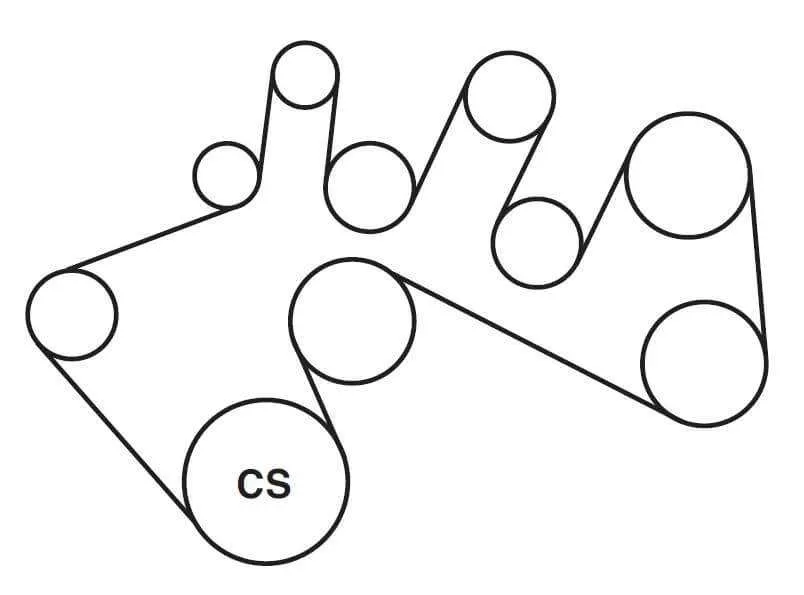
4. Position the New Serpentine Belt: Lay the new serpentine belt around the pulleys following the same path as the old one. Make sure it fits snugly into the grooves of the pulleys. Double-check the belt routing diagram specific to your Duramax model to avoid errors.
5. Tighten the Tensioner: Rotate the tensioner again with your tool in the same counterclockwise direction to create enough slack to fit the belt onto the tensioner pulley. Slowly release the tensioner back into its normal position to apply tension to the new belt.
6. Inspect the Belt Position: After the belt is in place, visually inspect it to ensure it sits correctly on all pulleys. The belt should be properly aligned and fully engaged in the grooves without being twisted.
7. Start the Engine: Start your engine and listen for any unusual sounds. If the belt is installed correctly, the engine should run smoothly without any squealing or slippage. If there are issues, double-check the belt’s alignment and tension.
8. Final Check: After running the engine for a few minutes, check the belt tension again. If necessary, adjust the tensioner to ensure the belt remains tight but not overly strained. Make sure the belt remains securely in place as you finish up the job.
Common Duramax Serpentine Belt Issues and How to Troubleshoot Them
When diagnosing serpentine belt issues in a Duramax engine, look for these common problems:
- Squealing or Chirping Noises: A worn-out or misaligned serpentine belt can cause these sounds. Inspect the belt for cracks or fraying. A slipping belt due to improper tension could also be the culprit. Tighten or replace the belt if necessary.
- Visible Cracks or Wear: Regularly check the belt for any visible signs of damage like cracks, glazing, or fraying. A damaged belt won’t operate efficiently, leading to potential engine failure. If any damage is noticeable, replace the belt immediately.
- Power Steering Issues: A loose or worn serpentine belt can affect power steering. If the steering feels heavier than usual, check the belt tension and condition. If the belt appears stretched, replace it or adjust tension.
- Overheating: An underperforming serpentine belt may not drive the water pump effectively, leading to engine overheating. Check the belt for tension and wear, and ensure the water pump is receiving adequate power from the belt.
- Battery Charging Problems: If the alternator isn’t spinning at the correct speed, the battery may not charge properly. Inspect the belt for proper tension and alignment to ensure the alternator operates correctly.
To troubleshoot, follow these steps:
- Inspect the belt for signs of wear, such as cracking, fraying, or glazing. Replace if necessary.
- Check belt tension using a tension gauge. Adjust or replace the tensioner if it’s not holding the belt at the proper tension.
- Examine pulleys for misalignment, damage, or debris. Any pulley issues can cause the belt to slip or wear out prematurely.
- Ensure all components driven by the belt (alternator, power steering pump, water pump, etc.) are functioning correctly. A malfunctioning component can put excessive strain on the belt.
- If the belt makes noise, apply a small amount of belt dressing to see if it helps reduce the sound. If the noise persists, further investigation of belt condition and tension is needed.
Proper maintenance and timely replacement of a worn serpentine belt can prevent major engine issues and keep your Duramax running smoothly.