Ford 6.7 Dual Alternator Belt Diagram for Proper Installation and Maintenance
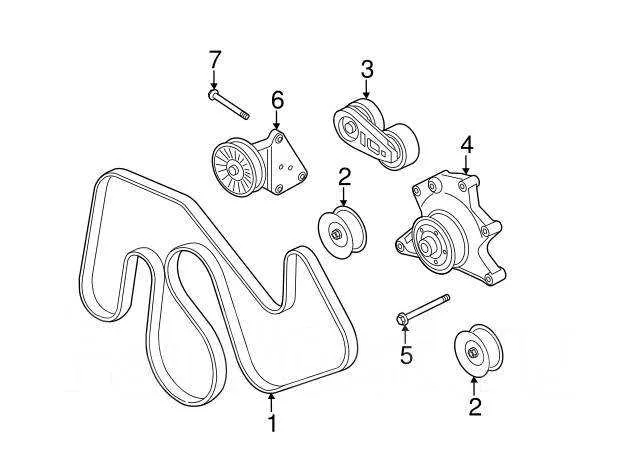
For smooth operation and longevity of your Ford 6.7 engine, understanding the dual alternator belt system is key. The dual alternator setup, often found in trucks with high power demands, requires precise alignment and proper tension to ensure that both alternators function optimally. If you’re servicing or replacing components, knowing the correct belt diagram is a must to avoid costly mistakes and potential downtime.
The first step is identifying the correct belt routing. With two alternators, the belt layout becomes more complex compared to a single alternator system. Ensure you are using the right diagram for the specific model year of your Ford 6.7, as configurations can vary slightly. The belt typically runs through both alternators, the air conditioning compressor, and the power steering pump, with each pulley designed to keep the system synchronized.
When replacing the belt, inspect the pulleys and tensioners as well. Any wear or misalignment can cause the new belt to fail prematurely. Be sure to use a high-quality replacement belt that matches OEM specifications to maintain the integrity of the system. If you’re unsure about the routing or tension, a quick visual check against the factory diagram can save you time and ensure everything is properly set up.
Ford 6.7 Belt Diagram Dual Alternator
To maintain proper functioning of the Ford 6.7 engine with dual alternators, it’s crucial to follow the belt diagram precisely. The dual alternator setup increases the electrical capacity of the vehicle, and having the correct belt routing ensures the system runs smoothly. Here’s a detailed look at the configuration.
The primary belt route starts from the crankshaft pulley, then passes around the primary alternator, followed by the secondary alternator, tensioner, and idler pulleys. It’s essential to pay close attention to the placement of the idler pulleys to avoid misalignment, which could lead to premature wear or failure.
- Crankshaft Pulley: The engine’s main power source. The belt is routed from this pulley to the first alternator.
- Primary Alternator: Located on the driver’s side, it’s responsible for charging the battery and supplying power to various electrical components.
- Secondary Alternator: Positioned slightly higher and towards the rear of the engine, it provides additional charging capacity, ensuring sufficient power for systems like air conditioning and auxiliary equipment.
- Tensioner Pulley: Located near the top, it keeps the belt taut to prevent slipping and ensures proper engagement with the pulleys.
- Idler Pulley: A key part of the route to guide the belt around the alternators without friction or slack.
For optimal performance, always inspect the belt for wear and tear regularly. A loose or worn belt can cause poor alternator performance, leading to electrical issues. If the belt appears cracked or damaged, replace it immediately to avoid further complications.
The Ford 6.7 dual alternator setup requires proper tensioning to avoid over-stressing the components. Using a belt tension gauge to verify the correct tightness is a good practice when installing or replacing the belt.
How to Read the Ford 6.7 Dual Alternator Belt Diagram
To interpret the Ford 6.7 dual alternator belt diagram, focus on the path of each belt and how it interacts with the alternators and other components. The diagram shows how two alternators are powered by separate belts, each driven by the engine’s crankshaft pulley. One belt typically powers the primary alternator, while the second belt drives the secondary alternator. Understanding the tensioner positions and routing helps ensure proper alignment and function.
Start by identifying the main components: the crankshaft pulley, the two alternators, and the belt tensioners. Each belt should be routed around these components in a specific sequence. The diagram provides a clear path that avoids overlap and maintains consistent tension, ensuring that both alternators operate effectively. Pay attention to the arrows, which indicate the direction of belt rotation and tensioner movement.
The tensioners are key in keeping the belts tight. They should be positioned as shown in the diagram to avoid slack, which could cause slipping or wear. A common mistake is misrouting the belts or installing them with improper tension, leading to reduced alternator output or premature belt failure.
For accurate installation, check the diagram regularly against the physical components. Ensure the pulleys align as indicated and that both belts are installed without twisting. If you’re replacing a belt, double-check that it’s the correct length and profile, as even minor variations can lead to problems. After installation, manually rotate the pulleys to confirm smooth operation.
Lastly, verify the alignment of all components and ensure the tensioners are correctly adjusted to prevent belt slip. A properly installed and tensioned system will result in reliable charging from both alternators, improving the truck’s electrical system performance.
Step-by-Step Guide to Replacing the Alternator Belt on Ford 6.7
Begin by disconnecting the negative battery terminal to prevent any electrical shorts. Use a 10mm wrench to loosen the nut and remove the cable from the battery. This ensures safety throughout the process.
Next, locate the tensioner pulley. On the Ford 6.7, it’s typically on the driver’s side of the engine. Use a socket wrench to rotate the pulley counterclockwise, which will release tension on the belt. Once the tension is off, carefully remove the old alternator belt from the pulleys.
Inspect the new belt for any signs of wear before installation. Ensure it’s the correct model for the Ford 6.7 dual alternator setup. Lay the new belt out along the same path as the old one, ensuring it runs smoothly over each pulley.
Reinstall the belt by routing it over the pulleys, ensuring it sits properly in each groove. Pay attention to the direction of the belt, especially if it’s marked with arrows indicating the proper installation direction. After placing the belt, use the wrench to rotate the tensioner pulley again to apply tension to the new belt.
Double-check the alignment of the belt on all pulleys. It should sit evenly in each groove without being twisted. Tighten the tensioner pulley bolt to secure the belt in place.
Reconnect the battery terminal, ensuring the connection is tight. Start the engine to verify the belt is operating smoothly. Listen for any unusual noises, and check the belt’s movement to ensure it’s running correctly.
If the belt appears to be slipping or making noise, recheck the tension and alignment. Adjust as needed to ensure everything is functioning as expected.
Troubleshooting Common Issues with the Dual Alternator Belt System
If your dual alternator belt system is malfunctioning, the most common culprits are misalignment, wear, or tension problems. Start by inspecting the belt for visible signs of cracking or fraying. If the belt is damaged, replace it immediately to avoid further damage to the alternators.
Check the alignment of the alternators and pulleys. Misalignment can cause excessive wear on the belt, leading to premature failure. Use a straight edge or alignment tool to confirm that the pulleys are in proper alignment. If necessary, adjust the alternator positions to correct any misalignment.
Verify the tension of the belt. An improperly tensioned belt can either slip or become too tight, leading to performance issues. Use a tension gauge to check the belt tension according to the manufacturer’s specifications. If the tension is too loose, tighten it; if too tight, loosen it slightly.
Examine the pulleys for any signs of damage or wear. Worn pulleys can cause the belt to slip or fail, leading to charging issues. Replace any damaged pulleys and inspect the bearings to ensure smooth operation.
Lastly, check the condition of the alternators themselves. A malfunctioning alternator can place additional strain on the belt, causing it to wear prematurely. Test the alternators for proper charging output and ensure that there are no electrical faults.