Understanding Conveyor Belt Tracking and Alignment Diagrams
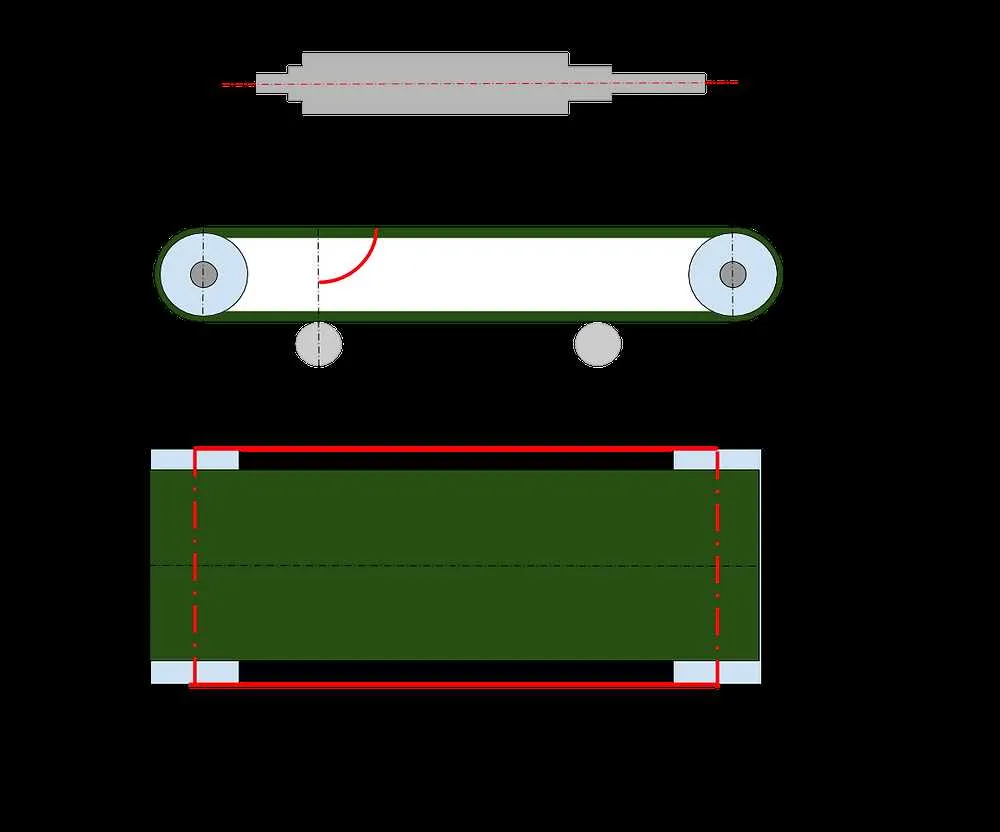
To maintain proper operation of a conveyor system, ensuring accurate tracking of the belt is crucial. Misalignment can lead to excessive wear, increased maintenance costs, and potential damage to the system. A conveyor belt tracking diagram serves as a visual guide to troubleshoot and prevent these issues by outlining the key components involved in belt alignment.
Each component, from the rollers to the tension adjustments, plays a vital role in keeping the belt on track. Identifying and understanding the function of these elements will help you quickly diagnose issues. Pay close attention to the position of the pulleys and the condition of the rollers, as they directly influence the belt’s movement.
When reviewing a conveyor belt tracking diagram, focus on the tension settings and the alignment of the supporting structure. Small misalignments can be corrected by adjusting the tracking mechanisms or modifying the angle of the rollers. Using the diagram as a reference, operators can optimize these settings to prevent tracking problems before they become severe.
Conveyor Belt Tracking Diagram
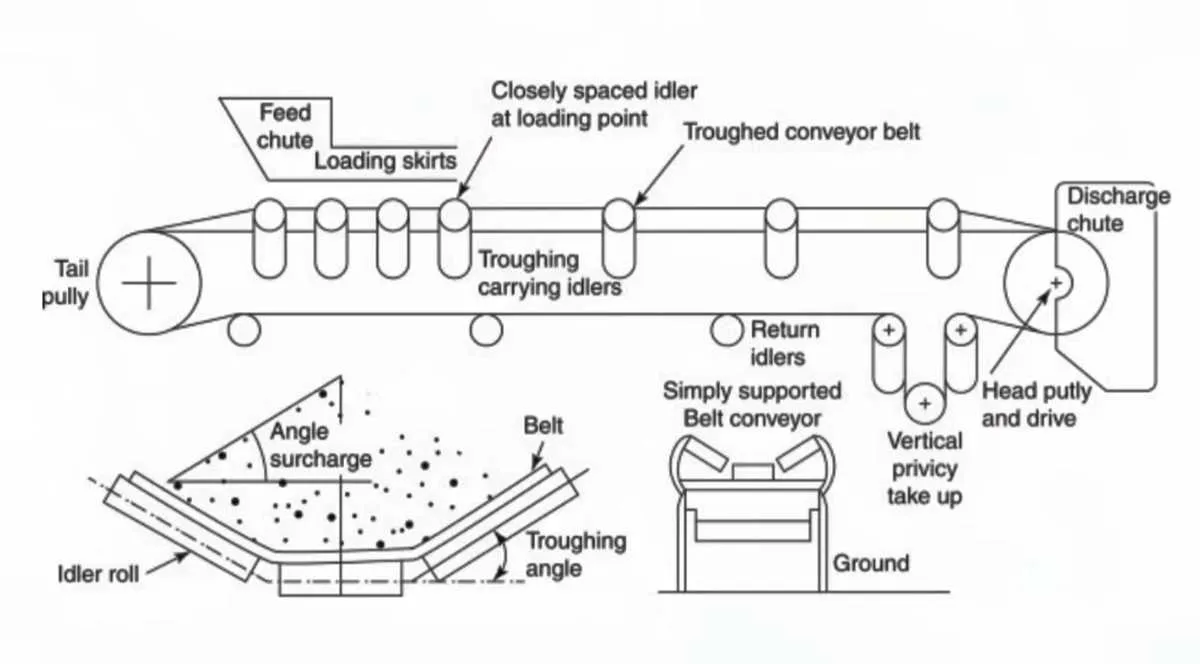
To effectively track a conveyor belt, the diagram must clearly outline key components and their relationships. A well-designed diagram aids in troubleshooting and aligning the belt correctly, ensuring smooth operation and preventing misalignment.
Begin by locating the drive pulley, which powers the belt movement. The tracking system typically involves a series of rollers, including the tail pulley, which helps return the belt in the opposite direction. Ensure that the tensioning device is properly indicated to maintain belt tightness for efficient tracking.
Important elements to include in the diagram:
- Drive pulley and tail pulley locations
- Rollers used for belt guidance
- Tensioning devices and their adjustments
- Belt path for proper alignment
In most systems, the belt tracking should be monitored at the return section to avoid deviation. Small misalignments can lead to unnecessary wear, and addressing these early can prevent major issues. Regular maintenance checks should be planned based on the diagram, identifying any areas that require frequent attention.
To correct tracking issues, adjust the rollers and pulleys along the belt’s path. If misalignment occurs near the drive or tail pulley, it may indicate improper tensioning or damage to the rollers. Keep the diagram updated to reflect any changes made to the system for continued accuracy in tracking.
Understanding the Basics of Conveyor Belt Alignment
Align the conveyor belt correctly to prevent uneven wear and avoid system failure. Misalignment causes excessive friction, increases maintenance costs, and can lead to serious breakdowns. Begin by checking the belt’s position relative to the pulleys. If the belt is shifting toward one side, the pulleys may not be properly aligned.
To ensure proper alignment, use a laser alignment tool for accurate measurements. Check both the head and tail pulleys, as well as the belt tracking rollers. If adjustments are needed, align the pulleys so that they are parallel to the belt’s path. This reduces stress on the belt and ensures smooth operation.
Next, inspect the idler rollers. These should be perpendicular to the conveyor frame and the belt. Misaligned rollers can push the belt off track, causing it to drift. Replace worn or damaged rollers immediately to maintain smooth operation.
Regularly monitor the belt’s tracking and make necessary adjustments. Track the belt position during both startup and operation. Pay attention to any shifts in the belt’s centerline or uneven tension distribution. Proper belt tension also plays a key role in alignment, as too much or too little tension can distort the belt’s movement.
By following these steps, you can maintain the conveyor belt’s proper alignment, minimize wear, and improve its overall lifespan. Always perform these checks during routine maintenance to avoid unexpected issues.
Common Issues in Conveyor Belt Tracking and How to Fix Them
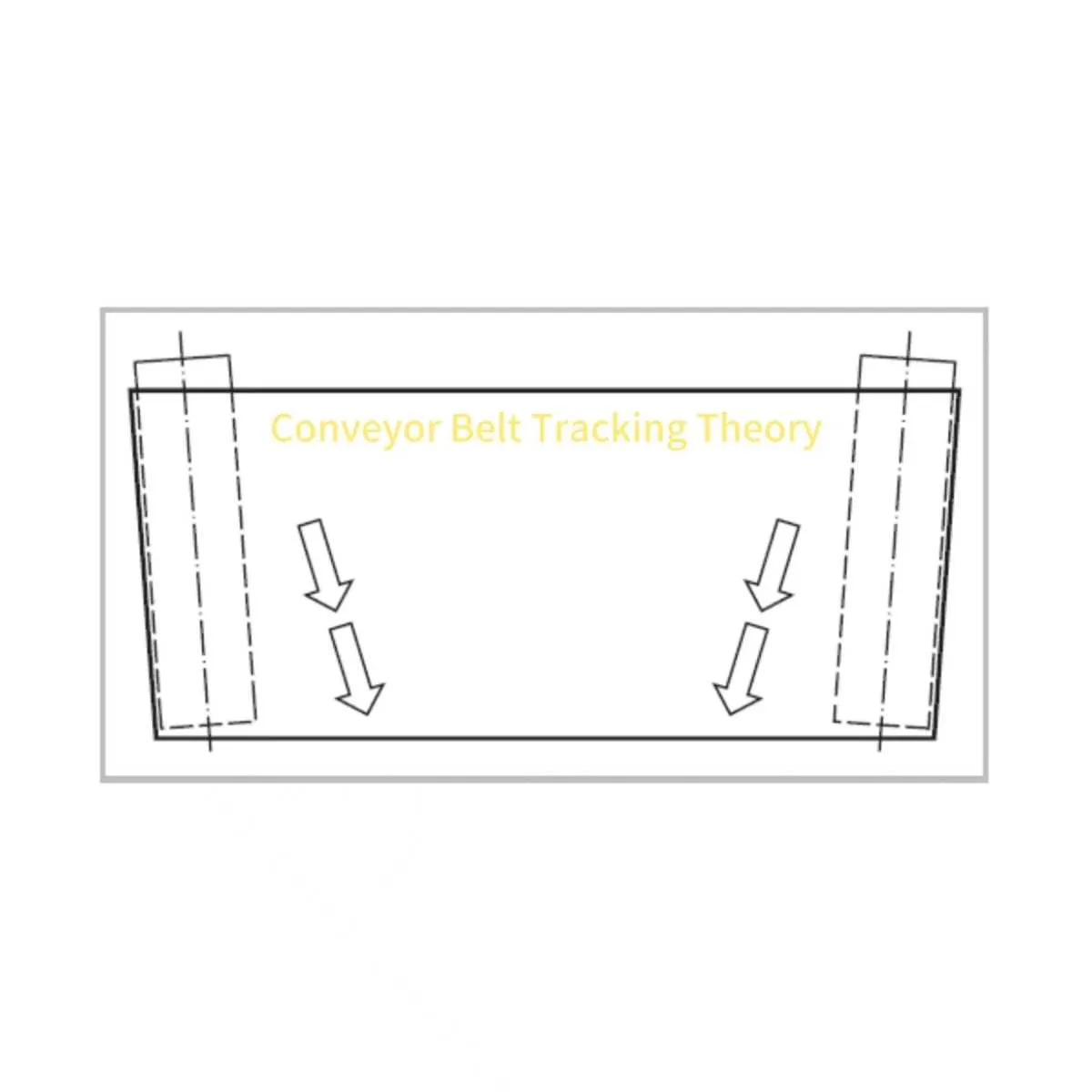
Misalignment is one of the most frequent issues affecting conveyor belt tracking. When the belt moves off-center, it can cause uneven wear and reduce the system’s efficiency. To correct this, adjust the tracking rollers or guide rollers on both sides of the belt. Ensure that they are positioned parallel to the belt and the conveyor structure. Periodic inspection of the rollers will prevent long-term misalignment.
Another common problem is belt slippage, which occurs when the belt moves slower than expected or loses traction. This can result from worn pulleys or incorrect tension. To resolve this, check the pulley alignment and replace any worn pulleys. Adjust the tension of the belt to achieve proper grip, but avoid over-tightening, as it can cause further issues.
Overloading the conveyor is another factor that can lead to tracking problems. Excessive weight on the belt causes it to stretch unevenly and misalign. To prevent this, ensure the load is within the manufacturer’s recommended capacity. If necessary, distribute the load more evenly to prevent concentrated pressure on one part of the belt.
Belt wear and tear often lead to tracking issues. Inspect the belt regularly for cracks, cuts, or fraying. If these defects are found, replace the damaged section or the entire belt to maintain proper tracking. Routine maintenance will extend the belt’s life and reduce tracking problems.
Environmental factors like temperature and humidity can also affect belt tracking. Changes in these conditions can cause the belt to expand or contract, leading to misalignment. If the system is used in extreme environments, consider using a belt designed to withstand these conditions or adjust the tracking system accordingly.
Steps to Maintain Proper Conveyor Belt Tracking
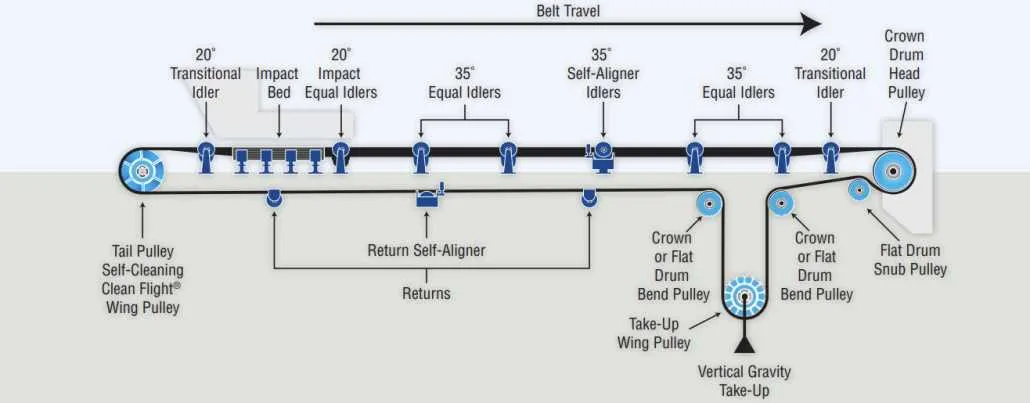
Check belt alignment regularly to avoid tracking issues. Misalignment can cause wear and reduce system efficiency. Ensure the conveyor frame is level and adjust the pulley and idler positions as needed.
Inspect the conveyor belt for signs of wear, such as uneven tension or damage. If detected, replace the belt immediately to maintain smooth operation.
Ensure that all pulleys are aligned properly. Misaligned pulleys can lead to increased friction and belt displacement. Adjust the pulleys until the belt runs straight and stays in the correct position.
Verify that the tension is balanced across the entire belt. Uneven tension can force the belt to shift to one side. If necessary, adjust the tensioners evenly to ensure uniform distribution of force.
Regularly check the condition of the rollers. Worn or damaged rollers can lead to poor tracking performance. Replace them promptly to maintain proper belt movement.
Monitor belt tracking during operation. If deviations occur, make immediate adjustments to prevent further issues. A quick response can prevent larger problems down the line.