2007 5.7 Hemi Engine Belt Routing Diagram for Accurate Installation and Maintenance
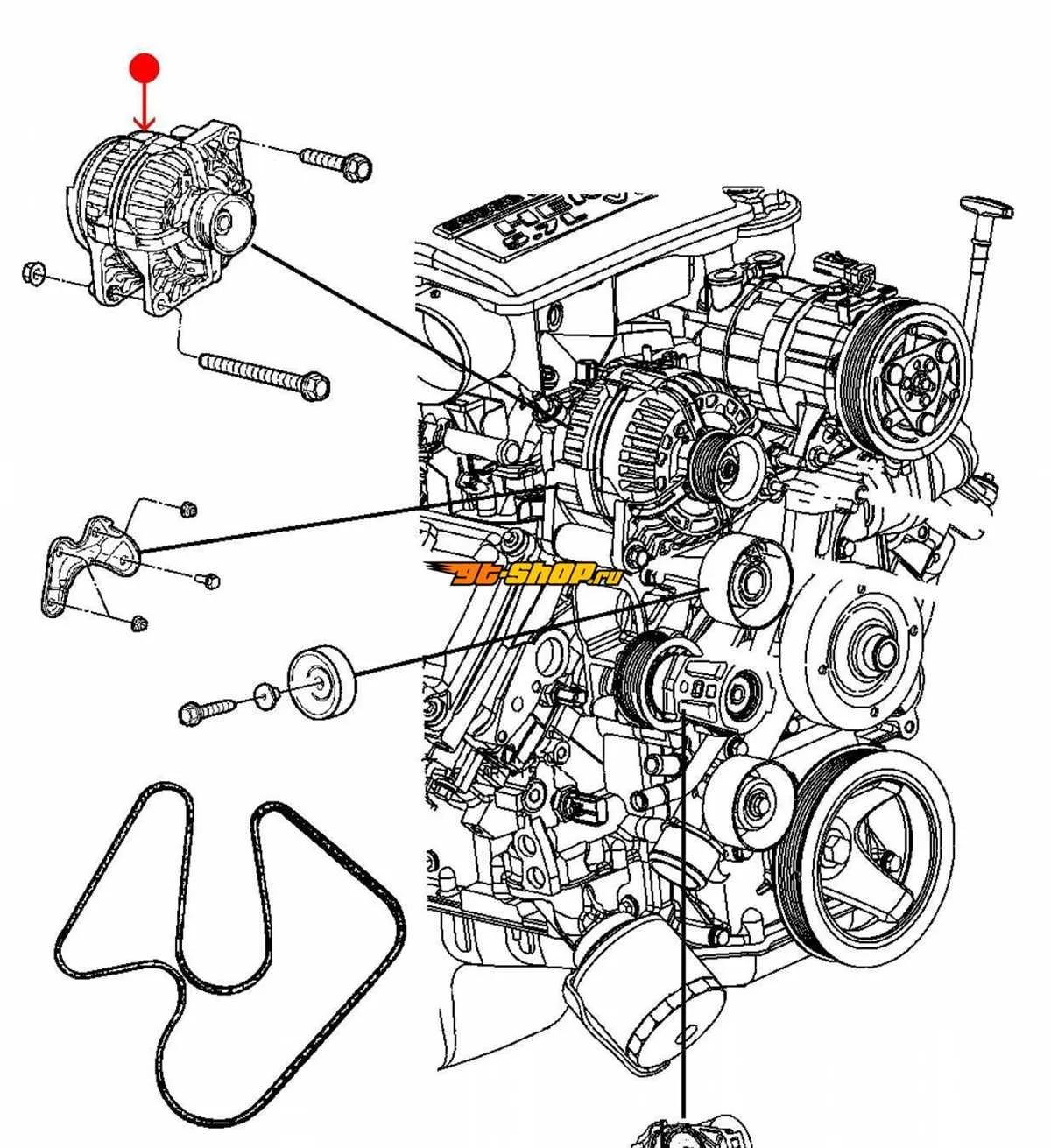
Check the belt routing on your 2007 5.7 HEMI before attempting replacement to avoid misalignment and engine strain. The serpentine belt connects the crankshaft, alternator, power steering pump, and A/C compressor in a precise pattern. Using the correct diagram ensures each component receives proper tension and prevents premature wear.
Locate the tensioner on the front passenger side of the engine. Apply steady pressure with a wrench to release belt tension, then remove the belt carefully, following the diagram. Note the orientation of each ribbed section, as misplacement can trigger squealing or reduced accessory performance.
Compare your existing belt layout to the diagram for reference. Identify the pulleys for the water pump, idler, and harmonic balancer to confirm routing accuracy. Visual verification of alignment helps detect worn pulleys or misaligned brackets before installing a new belt.
Reinstall the belt according to the diagram, starting with the crankshaft pulley and working around the accessories. Ensure the belt sits fully in each pulley groove and that the tensioner maintains correct pressure. A properly routed belt enhances engine reliability and prevents interruptions to electrical and mechanical systems.
2007 5.7 Hemi Belt Diagram
Follow the belt routing carefully to avoid misalignment and engine issues. The 2007 5.7 Hemi uses a serpentine belt that drives the alternator, power steering pump, water pump, and A/C compressor. Correct tension is maintained by an automatic tensioner.
- Start at the crankshaft pulley, which is located at the bottom center of the engine.
- Loop the belt around the water pump pulley positioned on the front center.
- From the water pump, guide the belt to the alternator on the driver side top.
- Next, route the belt down to the A/C compressor pulley located on the passenger side bottom.
- Continue to the power steering pump on the passenger side top.
- Pass the belt over the automatic tensioner, ensuring it sits correctly in the groove.
- Complete the loop back to the crankshaft pulley.
Check that the belt sits evenly in all pulley grooves. Misalignment can cause squealing or premature wear. Inspect the tensioner and pulleys for smooth rotation and replace any worn components before installing the belt. Applying a small amount of belt dressing on dry, squeaky belts can improve grip but should not replace proper routing or tension.
Keep a visual reference or printed diagram during installation. Routing variations exist depending on accessory packages, so verify against your engine’s specific configuration. Confirm that the belt path matches the diagram and that all pulleys rotate freely after installation.
Regularly inspect the belt for cracks, fraying, or glazing. Replace the belt every 60,000–80,000 miles or sooner if signs of wear appear. Proper installation prevents engine overheating, charging issues, and loss of power steering, maintaining smooth operation of the 5.7 Hemi engine.
Locating the Serpentine Belt Routing on a 2007 5.7 Hemi
Identify the serpentine belt routing by locating the tensioner pulley on the front of the engine; it sits just above the crankshaft pulley and to the right of the water pump. Release tension using a 3/8-inch ratchet or breaker bar on the tensioner arm, then remove the belt carefully to avoid misalignment of accessories.
Trace the belt path from the crankshaft pulley clockwise around the alternator, following it over the power steering pump, then down around the A/C compressor. Ensure the belt wraps fully around the idler pulleys to maintain proper tension. Check the diagram printed on the radiator support or under the hood for a visual reference specific to the 5.7 Hemi layout.
Inspect each pulley for wear and alignment before reinstalling the belt. Route the new belt along the same path, applying tension via the tensioner, and rotate the crankshaft by hand to confirm smooth movement. Double-check that the belt seats correctly in all pulley grooves to prevent slipping or premature wear.
Identifying Each Pulley and Component in the Belt System
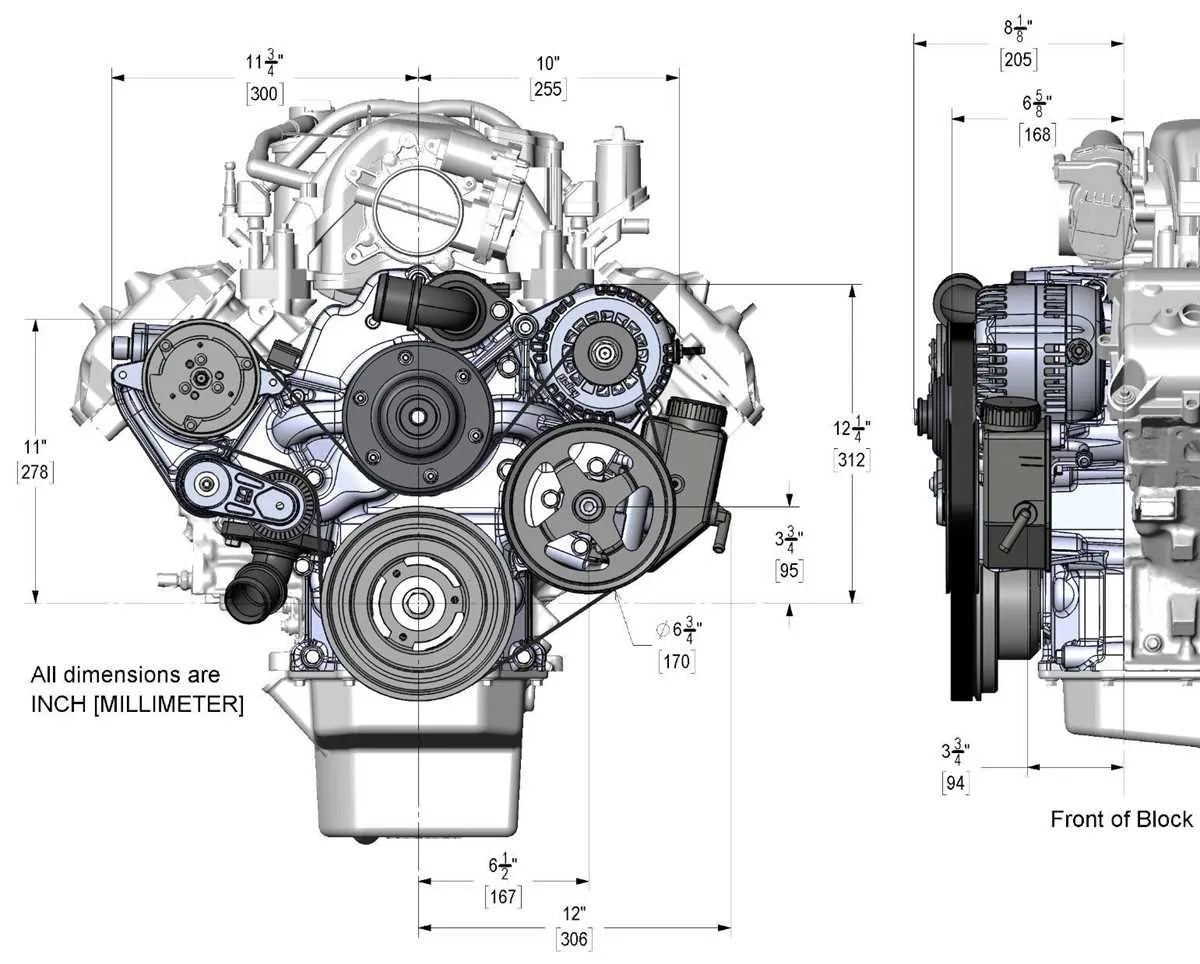
Locate the crankshaft pulley at the bottom center of the engine; it drives the serpentine belt and aligns with the harmonic balancer. Directly above, the water pump pulley circulates coolant and supports engine temperature control. The alternator pulley on the upper left delivers electrical current and charges the battery. On the upper right, the power steering pump pulley manages hydraulic pressure for responsive steering.
The tensioner pulley sits near the center of the belt path, keeping proper belt tension and preventing slippage. Idler pulleys positioned along the belt route guide the belt and reduce vibration. The air conditioning compressor pulley, usually on the passenger-side lower section, allows the belt to power the A/C system without interrupting engine operation.
Inspect each pulley for smooth rotation and alignment. Misalignment or worn surfaces can create squealing noises, excessive wear, or belt failure. Follow the routing diagram carefully, ensuring the belt wraps fully around all pulleys and the tensioner moves freely. Regularly checking these components maintains reliable engine function and consistent belt performance.
Step-by-Step Replacement Using the 2007 5.7 Hemi Belt Diagram
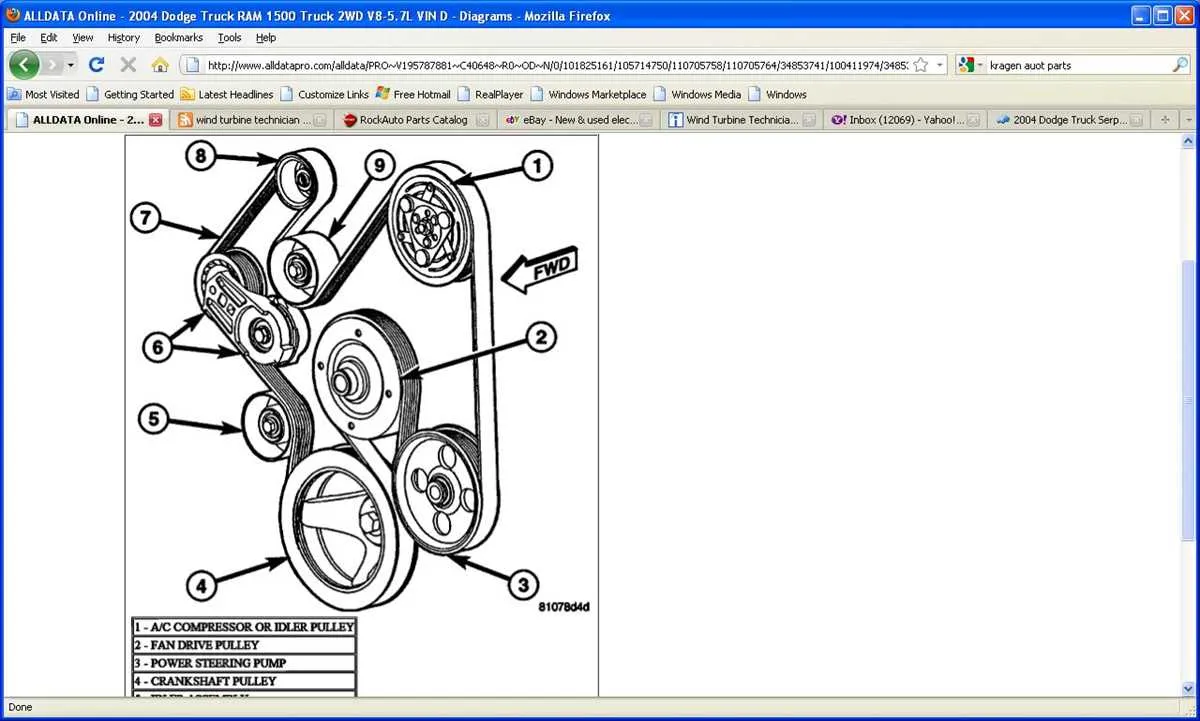
Loosen the serpentine belt tensioner using a 3/8-inch ratchet on the square drive, rotating it clockwise to relieve tension. Carefully slide the old belt off the pulleys, noting the routing on the 2007 5.7 Hemi belt diagram for reference. Inspect each pulley for wear, cracks, or misalignment before installing the new belt.
Position the new belt over the crankshaft pulley first, ensuring it seats fully in the grooves. Follow the diagram to route the belt over the alternator, power steering, and AC compressor pulleys, confirming each section aligns with the diagram’s path. Avoid twisting or forcing the belt, which can damage the fibers.
Rotate the tensioner back to allow the belt to slip into place over the tensioner pulley. Double-check the routing against the belt diagram, verifying that the belt sits correctly in all pulley grooves. Spin the crankshaft pulley by hand to ensure smooth movement without binding or misalignment.
Tighten the tensioner, if adjustable, according to the manufacturer’s torque specifications. Run the engine for a few minutes and observe the belt in motion, checking for proper tracking and tension. Reinspect pulleys and alignment after initial operation to confirm secure installation and prevent premature wear.