Complete 2010 Dodge Caravan Belt Diagram for Accurate Engine and Accessory Routing
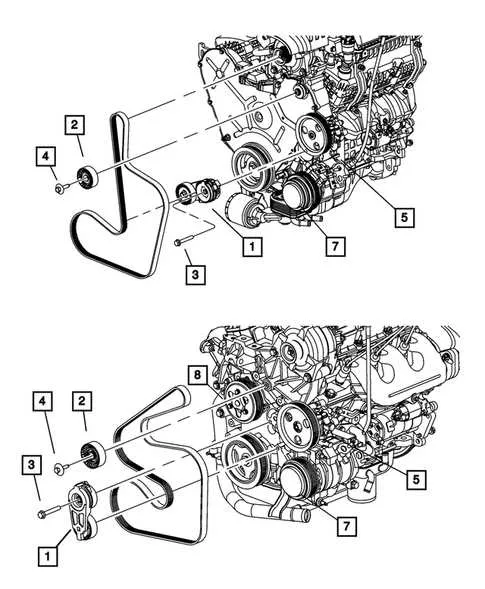
Locate the serpentine belt routing on your 2010 Dodge Caravan by referencing the factory belt diagram positioned on the radiator support or under the hood. The belt wraps around the alternator, power steering pump, water pump, and air conditioning compressor in a specific sequence that ensures proper tension and avoids slippage.
Check the tensioner pulley carefully; it maintains the correct belt pressure and prevents premature wear. Use a wrench to release the tensioner, then slide the belt into place following the diagram. Ensure each rib of the belt aligns with the pulley grooves for smooth operation.
For models with multiple engine options, the routing differs slightly. The 3.3L V6 uses a single continuous belt, while the 3.8L V6 requires an alternate path with additional idler pulleys. Verify your engine code to confirm the correct diagram before installation.
Inspect each pulley for damage or misalignment while replacing the belt. Replacing worn or cracked belts promptly prevents engine overheating and charging system failure. After installation, rotate the crankshaft manually to verify proper belt tracking along all pulleys.
Keep a printed or digital copy of the belt diagram for future maintenance. It simplifies the replacement process and reduces the risk of incorrect installation, which could lead to engine performance issues or belt failure during operation.
2010 Dodge Caravan Belt Diagram Guide
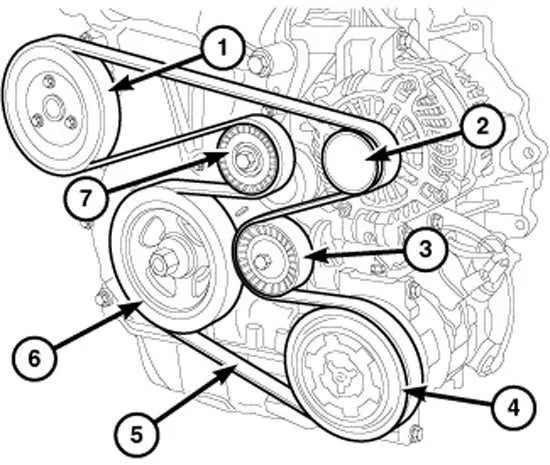
Locate the serpentine belt on the front of the 3.3L or 3.8L V6 engine. It wraps around the crankshaft pulley, alternator, power steering pump, water pump, and air conditioning compressor. Correct routing prevents slippage and avoids damage to engine components.
Follow this layout for the 3.3L V6 engine:
- Crankshaft pulley at the bottom center.
- Water pump above and slightly right of the crankshaft.
- Alternator at the top left.
- Power steering pump to the right of the alternator.
- Air conditioning compressor at the lower left, next to the crankshaft.
- Tensioner pulley near the center right to maintain proper belt tension.
For the 3.8L V6 engine:
- Crankshaft pulley at the bottom center.
- Alternator at the top right.
- Water pump to the left of the crankshaft.
- Power steering pump above the water pump.
- Air conditioning compressor on the lower left side.
- Tensioner pulley slightly above the crankshaft on the right side.
Check the belt for cracks, fraying, or glazing before installation. Align the belt with pulley grooves and rotate the tensioner clockwise to slip the belt over. Slowly release the tensioner to secure the belt. Inspect alignment by rotating the engine manually twice.
Marking the diagram in the engine bay with a dry-erase pen or sticker helps future replacements. Replace the belt every 60,000 miles or sooner if wear signs appear. Tighten or replace pulleys if they show wobble or noise to prevent premature belt failure.
Locating and Identifying the Serpentine Belt Routing
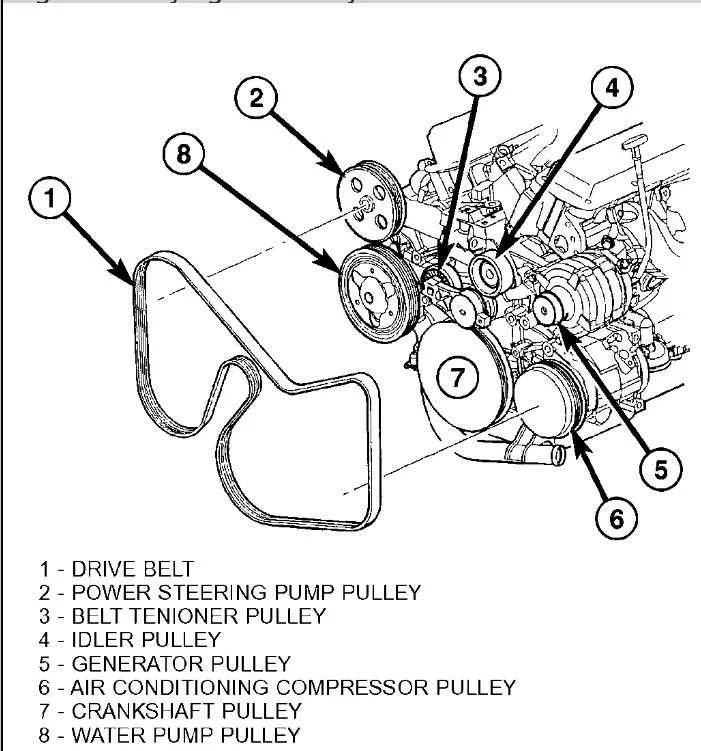
Locate the serpentine belt on the 2010 Dodge Caravan by opening the hood and focusing on the front of the engine. The belt wraps around the alternator, power steering pump, water pump, and crankshaft pulley. Identify the tensioner pulley, which maintains proper tension and allows the belt to be removed safely.
Check for a belt routing diagram on the radiator support or under the hood; Chrysler often provides a schematic sticker showing the exact path. If the diagram is missing, trace the belt visually, noting each pulley’s position. The crankshaft pulley at the bottom drives all other components, while the alternator and power steering pulleys sit near the top.
Use a marker or take a photo to map the belt’s path before removal. Verify that the belt aligns correctly with each pulley’s grooves to prevent slippage or misalignment. The idler pulleys guide the belt smoothly across the system, so identify each one to ensure proper routing. Confirming the routing visually helps avoid installation errors and ensures the belt delivers full performance to all driven accessories.
Step-by-Step Belt Replacement Procedure
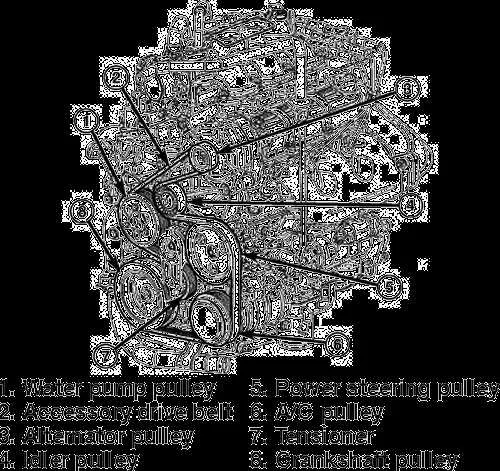
Loosen the tensioner first: Locate the serpentine belt tensioner on the front of the 2010 Dodge Caravan engine. Use a 3/8-inch ratchet or breaker bar to rotate the tensioner clockwise, relieving pressure on the belt.
Remove the old belt: Slide the belt off each pulley carefully, noting its routing. If needed, take a photo or refer to the belt diagram under the hood to ensure correct reinstallation.
Inspect pulleys and tensioner: Check for worn bearings, cracks, or misalignment. Spin each pulley manually; a rough sound or wobble indicates replacement is required.
Install the new belt: Begin routing the belt around the crankshaft pulley, alternator, power steering, and AC pulleys according to the belt diagram. Keep the belt seated in the grooves.
Apply tension: Rotate the tensioner again, slide the belt over the tensioner pulley, then slowly release it to apply proper tension. Verify that the belt aligns correctly on all pulleys.
Check alignment and movement: Start the engine for a few seconds, observe the belt tracking on each pulley, and listen for squeaks or slipping. Re-adjust if necessary.
Final inspection: Turn off the engine, inspect the belt path once more, and confirm tensioner operation. Ensure all tools are removed and the area is clear before completing the task.
Troubleshooting Belt Noise and Alignment Issues
Replace the serpentine belt if you spot cracks, fraying, or glossy ribbing. A worn belt causes squealing and uneven tension on pulleys.
Check pulley alignment using a straightedge. A misalignment of even a few millimeters can create chirping noises and accelerate wear. Adjust the tensioner or reposition accessories to restore alignment.
Test for noise by spraying a small amount of water on the belt while the engine runs. If the sound disappears temporarily, the belt surface is likely glazed or slipping.
Rotate tensioner and idler pulleys by hand. Any grinding, rough rotation, or lateral play indicates worn bearings that require replacement.
Confirm the belt follows the exact 2010 Dodge Caravan routing diagram. Incorrect routing stresses certain pulleys, producing vibration and premature wear.
Observe the belt at idle after adjustments. It should move smoothly without wobbling, twisting, or shifting off pulleys.
Inspect belts and pulleys every 12,000 miles or annually. Document replacements to track wear patterns and prevent repeated alignment or noise problems.