97 Honda Accord Timing Belt Diagram and Installation Guide
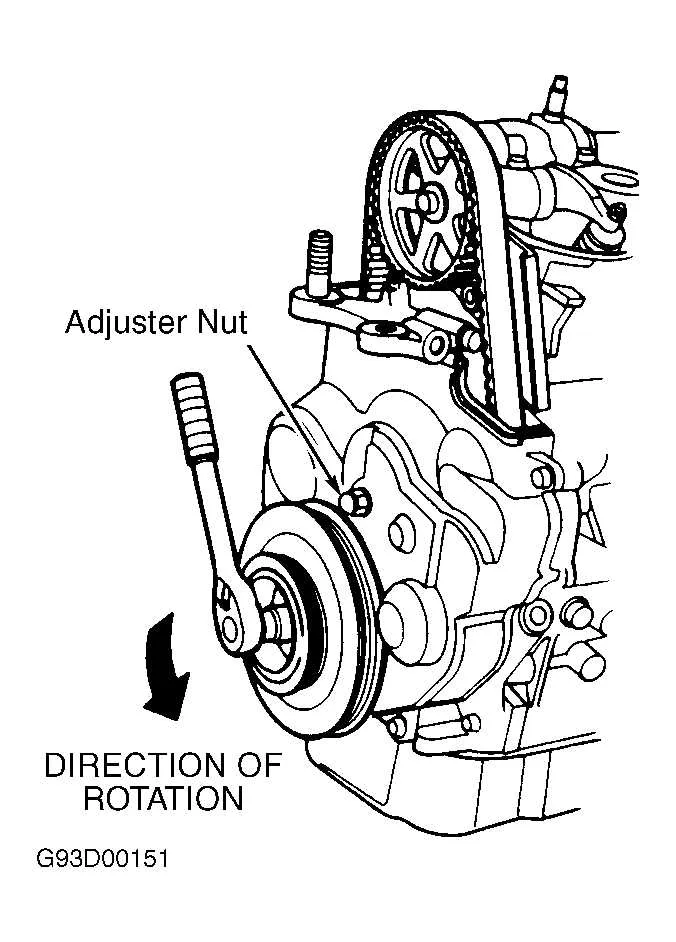
Understanding the timing belt configuration for your 1997 Honda Accord is critical for maintenance and repairs. The timing belt synchronizes the engine’s camshaft and crankshaft to ensure proper engine operation. If it breaks, the engine will suffer catastrophic damage, making timely inspection and replacement crucial. Below is a clear and detailed diagram that will help you identify key components in the belt system.
Check the belt’s condition regularly to avoid premature failure. Inspect for signs of wear, cracks, or fraying, which can indicate the need for immediate replacement. Refer to your vehicle’s manual for the manufacturer-recommended service interval for timing belt replacement. A typical replacement window is between 60,000 and 100,000 miles.
When replacing the timing belt, be sure to align the marks on the camshaft and crankshaft gears precisely to prevent engine misfires. Any misalignment can lead to severe damage. Use this diagram to verify the exact positioning of the belt and associated components. If you’re unsure, seeking professional assistance can save time and money in the long run.
97 Honda Accord Timing Belt Diagram
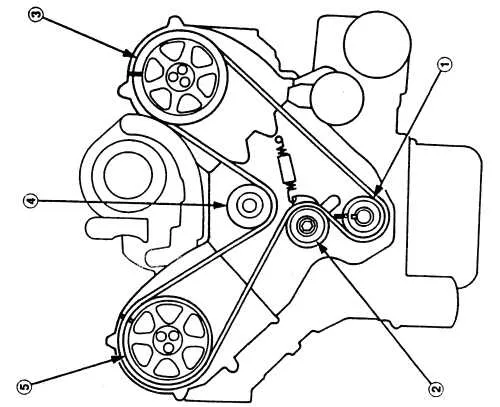
The timing belt on the 1997 Honda Accord plays a critical role in synchronizing the engine’s crankshaft and camshaft movements. For a proper installation, it’s vital to understand the belt routing and the positions of key components. Refer to the diagram for a clear overview of the belt’s path and placement on the engine.
The timing belt should be aligned with the marks on the camshaft and crankshaft sprockets. Ensure the crankshaft is set at the top dead center (TDC) of the compression stroke. The timing belt must pass over the water pump and balance shaft, ensuring that all components remain in sync throughout operation.
Pay close attention to the tensioner and idler pulley placement. The tensioner ensures the timing belt maintains proper tension, preventing any slippage or slack. Double-check the position of the idler pulley to avoid belt misalignment.
When replacing the timing belt, verify that the crankshaft, camshaft, and balance shaft gears are aligned with the corresponding marks. A slight misalignment can cause engine misfires or even severe engine damage.
After installing the new belt, rotate the crankshaft by hand to confirm the smooth movement of the timing belt. Any resistance or unusual noise could indicate a problem with the alignment or tension.
How to Locate the Timing Belt Components on a 97 Honda Accord
To locate the timing belt components on a 1997 Honda Accord, follow these steps:
- Remove the Engine Cover: Start by removing the engine cover, which may require loosening a few screws or bolts. This exposes the engine components, including the timing belt area.
- Locate the Timing Belt Area: The timing belt is positioned on the front of the engine. Look for the timing belt cover, usually made of plastic. It sits between the engine block and the front timing gears.
- Remove the Timing Belt Cover: Using a wrench or socket, remove the bolts securing the timing belt cover. Be careful not to damage the cover as you will need it later during reassembly.
- Inspect the Components: Once the cover is off, you will see the timing belt, crankshaft pulley, camshaft pulleys, and tensioner. These parts are critical for synchronizing the engine’s camshaft and crankshaft movements.
- Check the Timing Marks: On the timing gears, you will find timing marks that align with specific notches or dots on the engine block. These marks are important for proper installation of the timing belt.
Ensure that you have access to the tensioner and idler pulleys as well, as these help maintain the correct belt tension. Always check the condition of the timing belt before reinstalling the cover to ensure it is not worn or damaged.
Step-by-Step Guide to Removing and Replacing the Timing Belt
Begin by disconnecting the negative battery terminal to prevent any electrical issues during the process.
Next, remove the engine covers, including the timing belt cover, to expose the belt. Use a socket wrench to unscrew the bolts securing the cover, and set it aside.
Loosen the tensioner pulley using a wrench. This will allow you to relieve pressure from the timing belt. Rotate the tensioner in the direction specified in your vehicle’s manual to free the belt.
Once the tension is relieved, remove the timing belt. Carefully slide the belt off the camshaft, crankshaft, and any other pulleys that it is connected to. Be cautious not to damage other engine components during this step.
Inspect the timing components, including the camshaft and crankshaft pulleys. Look for any signs of wear, and replace any parts that are damaged or excessively worn.
Align the new timing belt according to the marks on the camshaft and crankshaft pulleys. Make sure the teeth of the belt match up with the grooves on the pulleys to ensure proper alignment.
Place the new timing belt on the pulleys and reattach the tensioner pulley. Tighten the tensioner to the specifications in the vehicle’s manual to apply the correct tension to the belt.
Once the timing belt is properly installed, rotate the crankshaft by hand a few times to ensure the belt moves smoothly without slipping.
Reinstall the timing belt cover and any other components you removed earlier, ensuring everything is secure and properly aligned.
Reconnect the battery terminal and start the engine. Listen for any unusual sounds and check that the engine runs smoothly. If everything is functioning correctly, you have successfully replaced the timing belt.
Common Issues with the Timing Belt and How to Prevent Them
One of the most common issues with the timing belt is wear and tear over time. The belt can lose its tension, causing it to slip or even break. Regularly inspecting the belt for signs of cracking, fraying, or excessive wear is crucial to prevent sudden failures. If you notice any visible damage, replace the belt immediately.
Another issue is misalignment, which can occur if the timing components are not properly installed or if they shift due to engine vibration. This misalignment can lead to uneven wear on the belt and strain on the engine. Regularly check the alignment of the belt and components to ensure they are within manufacturer specifications.
Heat can also cause the timing belt to degrade faster. Excessive heat from the engine or nearby components can lead to belt brittleness and cracking. Ensure that the engine cooling system is working properly, and avoid driving in extreme heat for extended periods.
To prevent these issues, replace the timing belt according to the manufacturer’s recommended schedule. For the 1997 Honda Accord, the timing belt should be replaced every 60,000 to 100,000 miles, depending on the specific model and driving conditions.
Lubrication is another important factor. Ensure that the timing belt pulleys and tensioners are properly lubricated to prevent friction and wear. If your vehicle uses a timing belt with a water pump, consider replacing the water pump at the same time to avoid future complications.