Ford Focus drive belt diagram with detailed layout and routing for proper installation
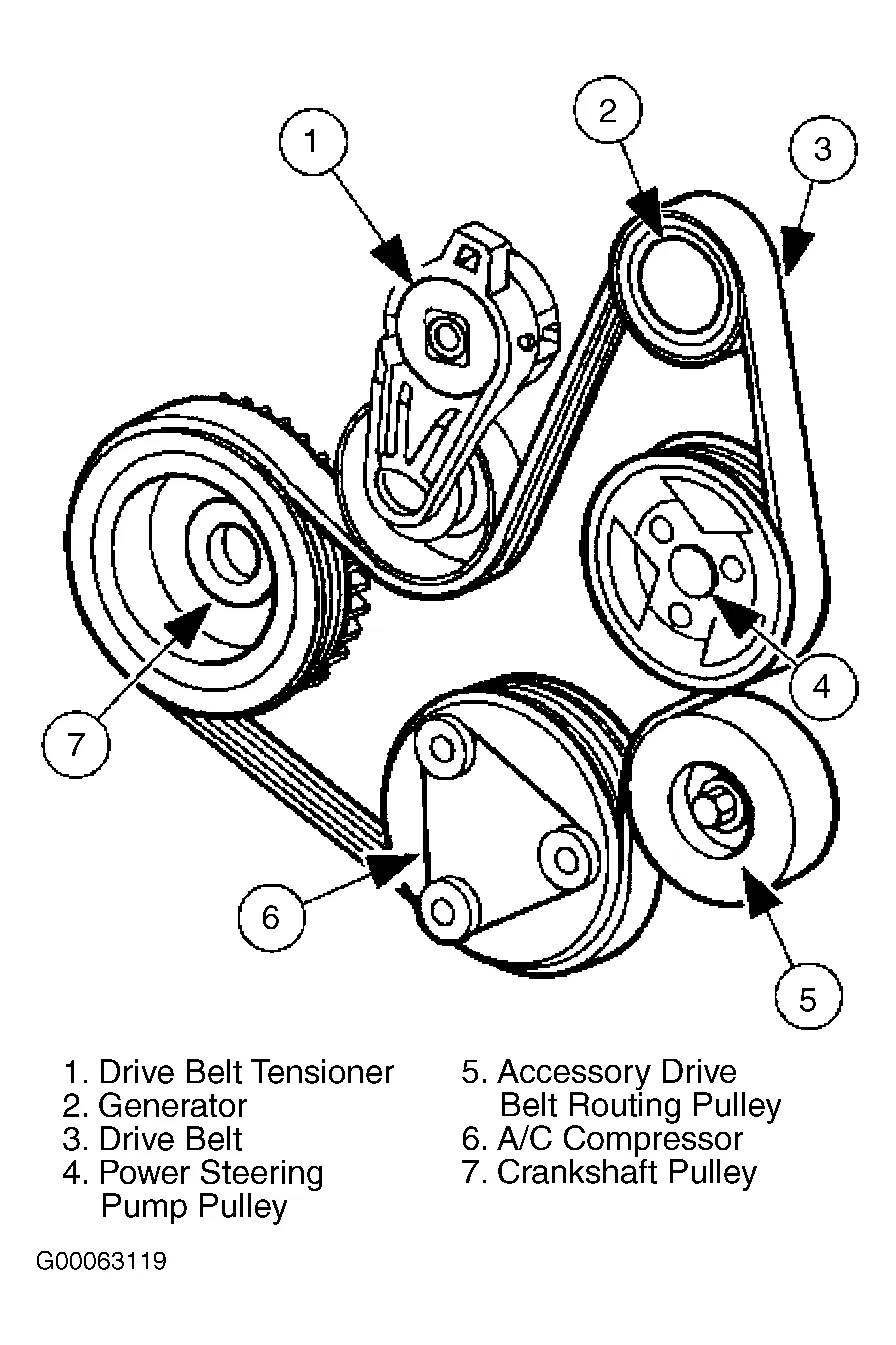
Check the drive belt layout before removing or replacing any component. The diagram shows the exact routing across the crankshaft pulley, alternator, water pump, power steering, and A/C compressor. Following this path prevents misalignment and ensures proper belt tension.
Use a serpentine belt tool or a long-handled ratchet to release the tensioner safely. Always confirm the belt ribs sit correctly inside each pulley groove. A misaligned belt can slip, overheat, or damage nearby components.
When inspecting the diagram, note that some Ford Focus models differ depending on engine type and year. For example, the 2.0L Duratec uses a single serpentine belt, while older Zetec engines may have a separate belt for the A/C system. This makes the diagram a reliable reference point for the specific engine setup.
Replace the drive belt if you notice cracks, glazing, or fraying. Following the diagram during installation keeps the process straightforward and ensures your engine accessories operate without interruption.
Ford Focus Drive Belt Diagram
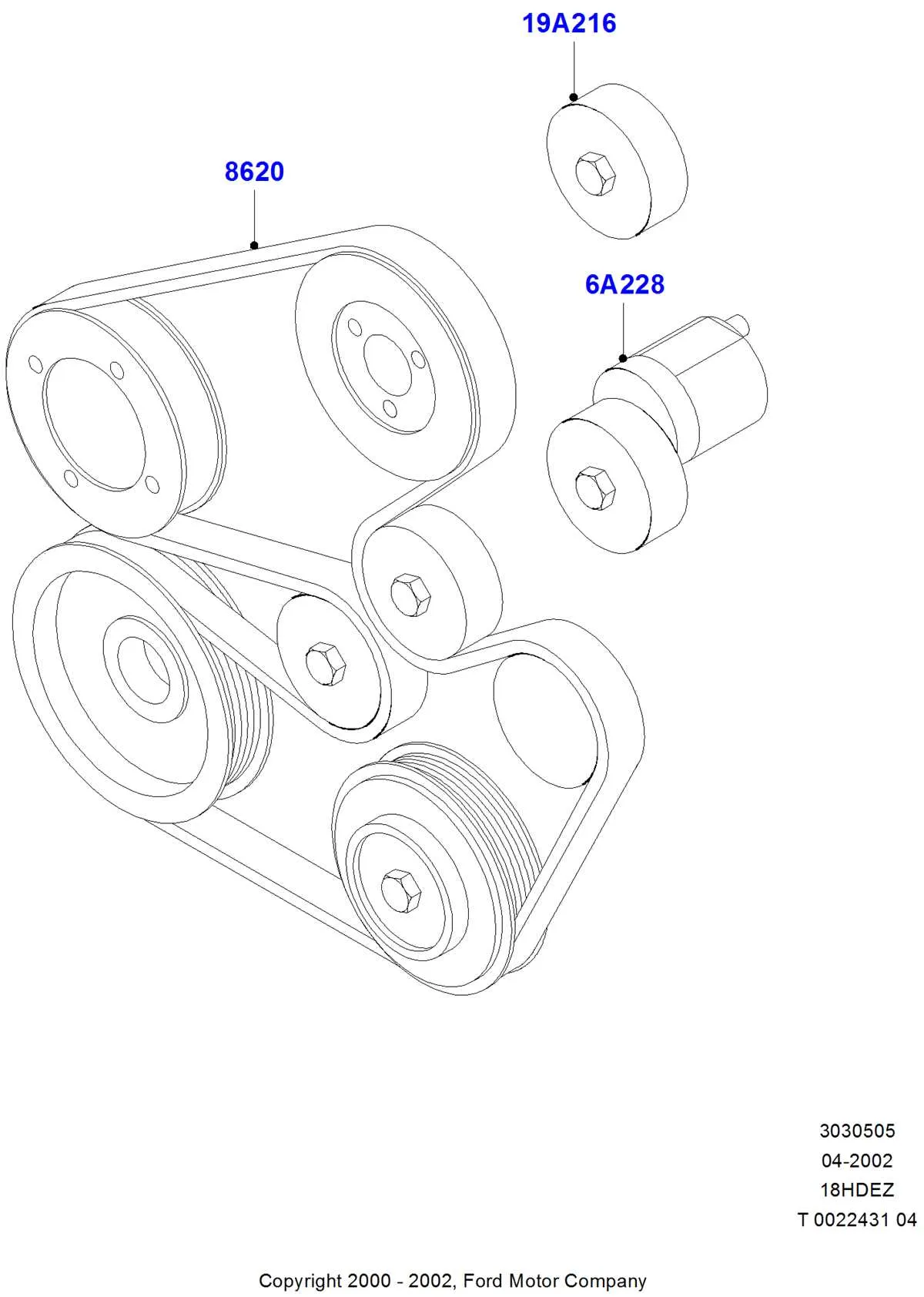
Check the routing diagram under the hood before installing a new drive belt on a Ford Focus. The belt must follow the exact path across the crankshaft pulley, alternator, tensioner, and air conditioning compressor. Incorrect alignment can cause slipping or early wear.
Step 1: Locate the tensioner and use a wrench to rotate it, releasing belt tension. Keep steady pressure to avoid sudden snaps.
Step 2: Route the belt around the pulleys according to the diagram, ensuring the ribs fit precisely into the grooves. Do not twist or stretch the belt.
Step 3: Hold the belt in position while carefully releasing the tensioner. Verify that the belt sits evenly on all pulleys.
Tip: If the factory diagram sticker is missing, consult the vehicle manual or a verified service diagram for the specific engine type. Variations exist between models with or without air conditioning and between different engine displacements.
Identifying Belt Routing for Different Ford Focus Engine Types
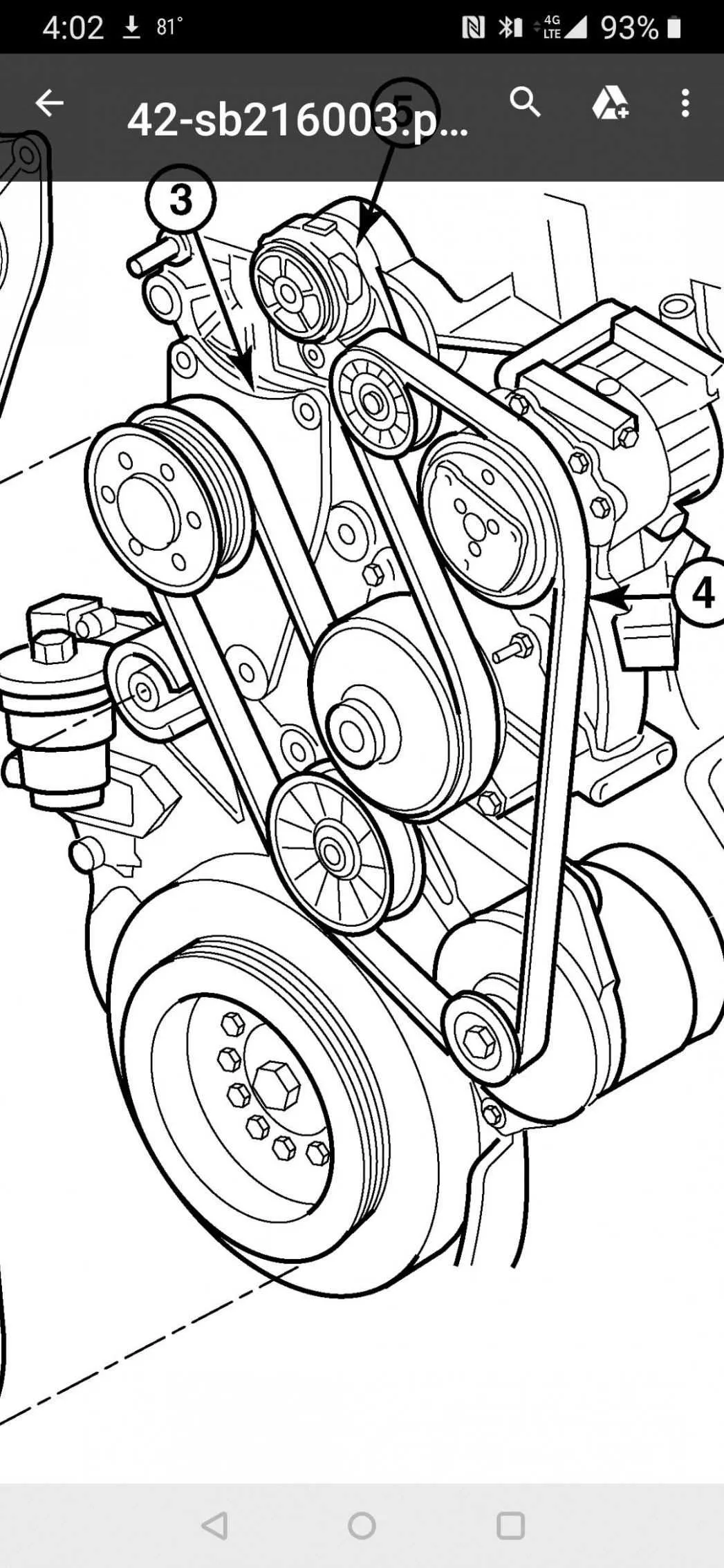
Check the engine label or VIN first, because Ford Focus models use different belt layouts depending on displacement and year. For example, a 2.0L Zetec engine routes the serpentine belt around the crankshaft pulley, alternator, tensioner, and idler before wrapping the power steering pump. The 2.0L Duratec adds an additional idler and routes differently around the A/C compressor.
The 2.3L Duratec configuration places the tensioner closer to the alternator, which shortens the belt path compared to the 2.0L version. On 1.6L engines, especially European Focus models, the belt often bypasses the power steering pump entirely, routing directly from the crankshaft to the alternator and A/C compressor.
If your Focus has a dual-belt setup (common on some 2000–2004 models), one belt drives only the A/C compressor while the second controls the alternator and steering pump. Check for this detail before ordering replacement parts, since belt length and rib count differ.
Use a printed diagram under the hood whenever possible, but if missing, match your layout by counting pulleys and accessories. This step prevents installing a shorter or longer belt that may slip or strain the tensioner.
Steps to Access and Inspect the Drive Belt Layout
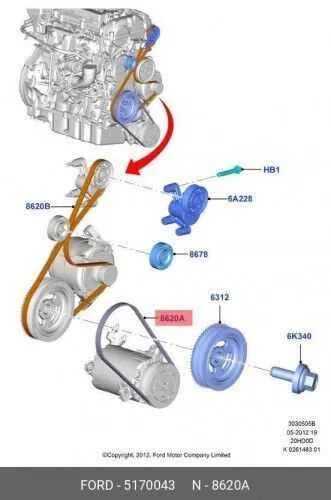
Park the Ford Focus on a flat surface and let the engine cool completely before touching any components.
- Disconnect the negative battery cable to prevent accidental starts.
- Remove the plastic engine cover if equipped by unclipping or unscrewing the fasteners.
- Locate the serpentine belt area on the front side of the engine near the radiator.
- Use a socket wrench to rotate the belt tensioner and relieve pressure from the belt.
- Slip the belt off one pulley and carefully release the tensioner.
With the belt loosened, you can check the routing clearly:
- Identify each pulley–alternator, power steering pump, air conditioning compressor, and crankshaft.
- Check for a routing diagram sticker under the hood; if missing, sketch the layout before removal.
- Inspect belt grooves for cracks, fraying, or glazing.
- Spin pulleys by hand to confirm smooth movement without wobbling or grinding.
Reinstall the belt by following the routing path, keeping the grooves aligned with pulley tracks. Apply tension again with the wrench, then reconnect the battery and confirm proper operation by briefly starting the engine.
Common Issues in Belt Alignment and How to Correct Them
Check pulley wear first, since uneven edges force the belt to track sideways. Replace any pulley with grooves, cracks, or sharp edges to restore proper alignment.
Inspect tension regularly. A loose belt drifts from the center line, while excessive tension strains bearings. Use a tension gauge and adjust according to the factory specification for Ford Focus models.
Verify that mounting brackets and accessory bolts remain tight. Even slight movement of the alternator or power steering pump shifts pulley position, creating misalignment. Tighten bolts to the torque values listed in the service manual.
Examine idler pulleys and tensioner arms. A worn bearing or weak spring causes the belt to wander. Replace the component rather than compensating with extra tension.
After adjustments, run the engine and observe the belt path. It should sit evenly across all pulleys without riding on edges. If drift persists, recheck each pulley with a straightedge to confirm alignment along the entire belt line.