2001 Ford Taurus Serpentine Belt Routing Diagram and Guide
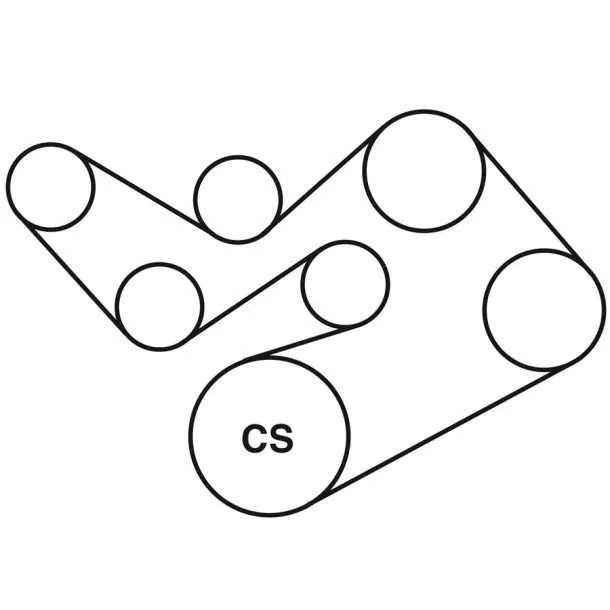
To replace or maintain the serpentine belt on a 2001 Ford Taurus, it’s crucial to follow the correct routing pattern to avoid system malfunctions. The serpentine belt is responsible for driving multiple accessories such as the alternator, power steering pump, and air conditioning compressor. A diagram ensures that each component is powered efficiently.
The routing of the serpentine belt in the 2001 Ford Taurus is relatively straightforward but requires attention to detail. It’s vital to check the belt’s path before installation. Start by identifying the crankshaft pulley, which serves as the main driving point for the belt. Ensure the belt runs over the alternator and power steering pump, following the exact pattern to avoid misalignment and excessive wear.
Pay attention to the belt tensioner: The tensioner keeps the correct tension on the belt. It’s positioned to adjust automatically, but make sure it’s functioning properly before installing the new belt. Inspect the spring-loaded tensioner for wear, as a malfunctioning tensioner can lead to slipping or excessive slack in the belt.
Diagram placement: If you lose the diagram, don’t worry–most vehicles, including the 2001 Taurus, have the routing diagram located on a sticker under the hood, often near the radiator or on the fan shroud. This is your best reference for the correct path, so ensure it’s readable and not faded. If the diagram is missing, a service manual or online resources can help.
2001 Ford Taurus Serpentine Belt Routing Diagram
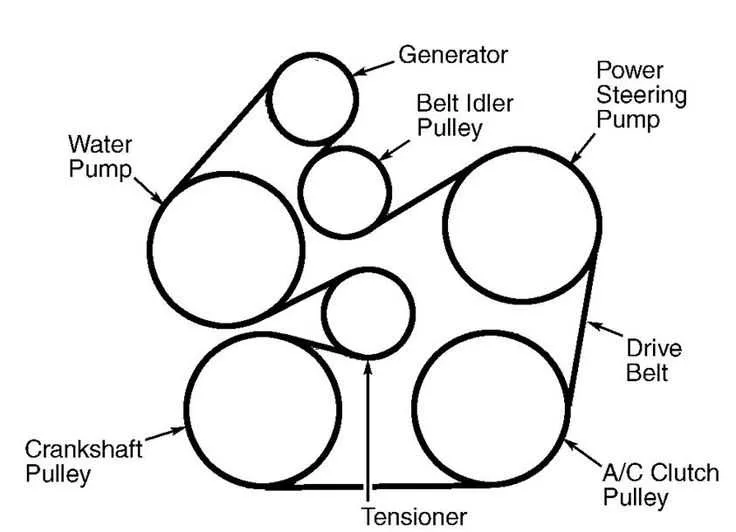
The serpentine belt on the 2001 Ford Taurus plays a crucial role in driving several engine components. To ensure proper functioning, it’s important to follow the correct routing pattern during installation. Start by positioning the belt over the crankshaft pulley, then guide it around the alternator and power steering pump. The belt should loop around the idler pulley and tensioner before wrapping around the air conditioning compressor and the water pump pulleys.
Ensure the belt is correctly aligned along each pulley to prevent slipping or excessive wear. The tensioner pulley, located near the bottom of the engine, should maintain the correct tension on the belt. Double-check the alignment to avoid misrouting that could lead to premature wear or damage to the belt and pulleys.
For better performance, it’s recommended to replace the serpentine belt if any signs of wear such as cracks or fraying are visible. Regularly inspect the belt to maintain optimal performance and avoid unexpected breakdowns.
Step-by-Step Guide to Understanding the Serpentine Belt Path
Start by locating the serpentine belt diagram for your 2001 Ford Taurus, typically found under the hood near the engine bay. This diagram shows the belt’s correct routing around various pulleys, ensuring proper engine operation.
First, identify the belt’s path around the alternator pulley, which is essential for powering the vehicle’s electrical system. Follow the belt from there to the power steering pump pulley, which helps with steering fluid circulation.
Next, trace the belt to the water pump pulley. This pulley is responsible for circulating coolant through the engine to regulate temperature. Make sure the belt is seated properly here to prevent overheating issues.
Continue following the belt path to the air conditioning compressor, ensuring it is correctly routed to maintain air conditioning functionality. The belt then moves to the crankshaft pulley, which drives the engine’s main components.
Double-check the tensioner and idler pulleys to make sure the belt maintains proper tension. A loose belt can cause slipping and reduce the efficiency of the system. Make adjustments as needed to keep the belt tight without overloading the components.
After verifying the entire path, ensure that the belt sits flush against each pulley. Any misalignment or wear can cause damage over time. Replacing the belt when necessary will prevent breakdowns.
How to Identify Common Issues with the Serpentine Belt
Inspect the serpentine belt for visible cracks, fraying, or glazing. These signs indicate wear and may lead to slipping or failure. Pay attention to any squeaking noises when the engine is running; this can signal that the belt is either too loose or misaligned.
If you notice a decrease in power steering or air conditioning performance, it could mean the belt is slipping. A worn belt will not turn the pulleys as effectively, causing a noticeable decline in these systems’ functionality.
Check the tension of the belt. A loose belt can be caused by a worn tensioner or pulley. If you can push the belt more than half an inch with your finger, it’s too loose. Tighten or replace the tensioner to restore proper tension.
Another issue to look for is a damaged or misaligned pulley. If a pulley is cracked or bent, it can cause the belt to rub against the surrounding components, leading to rapid wear. Check each pulley to ensure it rotates smoothly without wobbling.
Finally, monitor the belt’s alignment. If it tracks off-center, it could cause the belt to wear unevenly. An out-of-alignment belt should be realigned to prevent further damage.
Tips for Replacing the Serpentine Belt on Your 2001 Ford Taurus
Begin by gathering the necessary tools: a ratchet wrench, serpentine belt tool, and a socket set. This will make the replacement process smoother and faster.
Before removing the old belt, inspect the tensioner pulley and other related components. If any of them appear worn or damaged, replace them alongside the serpentine belt.
Locate the tensioner pulley and use a ratchet wrench to relieve the tension on the belt. Make sure to rotate the pulley in the correct direction to avoid damage. Once the tension is released, slide the old belt off.
Compare the old and new serpentine belts to ensure they match in size and design. Pay attention to the ribbed side of the belt, as it must face the correct direction to fit into the pulleys properly.
Carefully route the new serpentine belt over the pulleys according to the factory diagram for your 2001 Ford Taurus. Double-check the path and ensure the belt is seated properly on each pulley.
Once the new belt is in place, use the ratchet wrench to relieve the tension on the tensioner pulley again and slide the belt onto the pulley. Make sure the belt is tightly fitted and aligned with all pulleys.
After installation, start the engine and observe the belt as it runs. Listen for any unusual sounds, such as squeaking or squealing, which could indicate improper tension or misalignment.
Lastly, check the belt’s condition periodically after replacement. If you notice any signs of wear, replace the belt promptly to avoid potential damage to other components.