Seat Belt Pretensioner System Diagram and Functionality Explanation
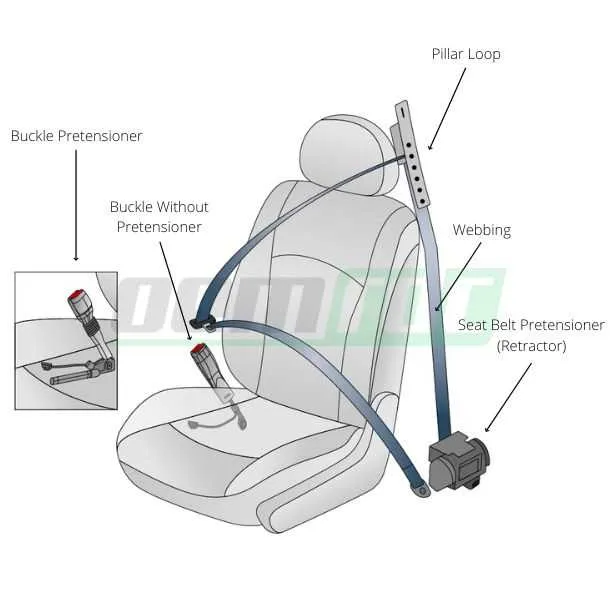
Understanding the seat belt pretensioner system is critical for vehicle safety. The pretensioner mechanism activates during a collision, tightening the seat belt to secure the occupant in place. This process reduces the distance between the occupant and the airbag, optimizing its performance.
The diagram of a seat belt pretensioner typically shows a combination of components, including the retractor, the pretensioner mechanism, and the explosive charge or motor that triggers the belt tensioning. These elements work together to ensure the seat belt tightens immediately after impact.
To visualize this, the diagram often includes the path of the seat belt, the sensors that detect a crash, and the response mechanism. The sensor detects a sudden deceleration or impact, triggering the pretensioner to pull the belt tighter, minimizing injury risk. The pretensioner is usually activated by an explosive device or a spring-loaded motor, both of which require precise engineering for reliable function in emergency situations.
The seat belt pretensioner plays a significant role in reducing injuries by ensuring that the seat belt holds the occupant securely, allowing the airbags to deploy effectively. Understanding how each component interacts is key to understanding how the entire safety system works together in the event of a collision.
Seat Belt Pretensioner Diagram
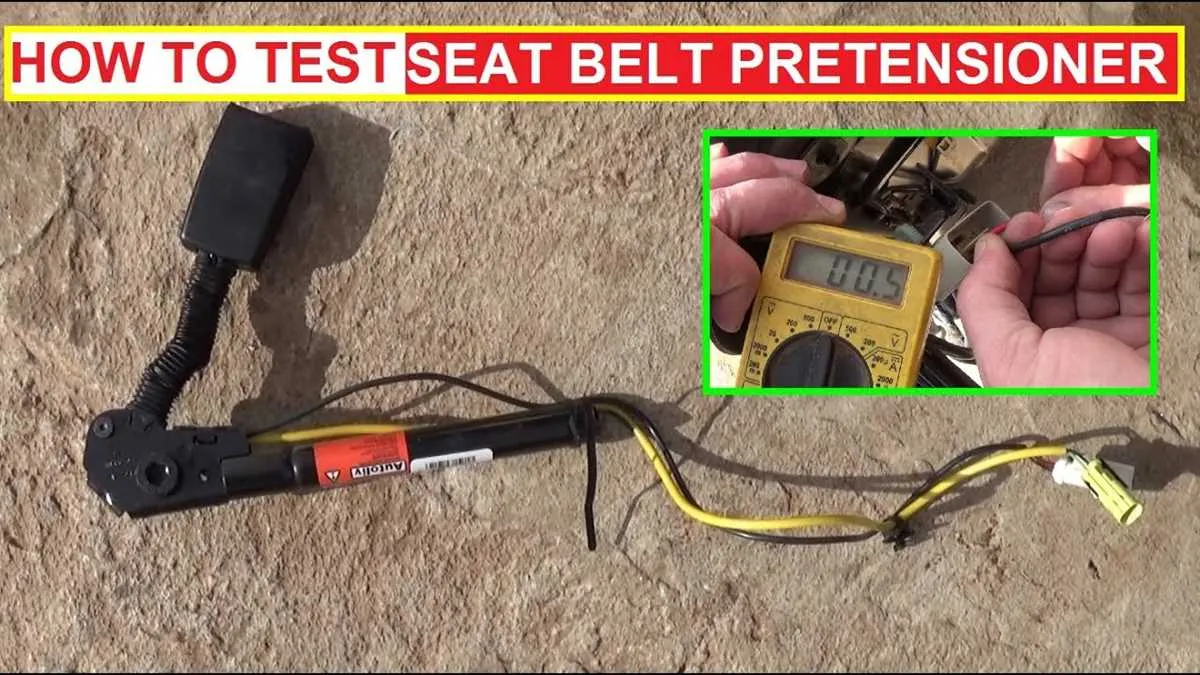
To understand the seat belt pretensioner system, it’s key to focus on its core components and their interconnections. The pretensioner mechanism includes a retractor, a pyrotechnic or mechanical tensioning device, and the control module. In the event of a collision, the pretensioner activates by pulling the seat belt tighter against the occupant’s body. This is crucial in reducing slack and optimizing the restraint system’s efficiency during impact.
The diagram typically shows how the pretensioner is mounted within the retractor assembly. The retractor is linked to a winding mechanism that helps retract the seat belt when tension is applied. A sensor detects a sudden deceleration, triggering the pyrotechnic device, which quickly retracts the belt and locks it in place. This action occurs almost instantaneously, improving the overall safety performance during a crash.
In the diagram, you’ll notice the control module that communicates with the car’s airbag system. It ensures synchronization between the seat belt pretensioner and other safety devices like airbags. By coordinating with the sensors, the module determines when to activate the pretensioner, ensuring that the seat belt is tight enough to secure the occupant while allowing room for airbag deployment.
Having a precise diagram helps in the understanding of the system’s wiring and safety features. The seat belt pretensioner works in conjunction with other passive safety features to reduce the risk of injury by optimizing the effectiveness of the seat belt system during high-impact scenarios.
Understanding the Components of a Seat Belt Pretensioner
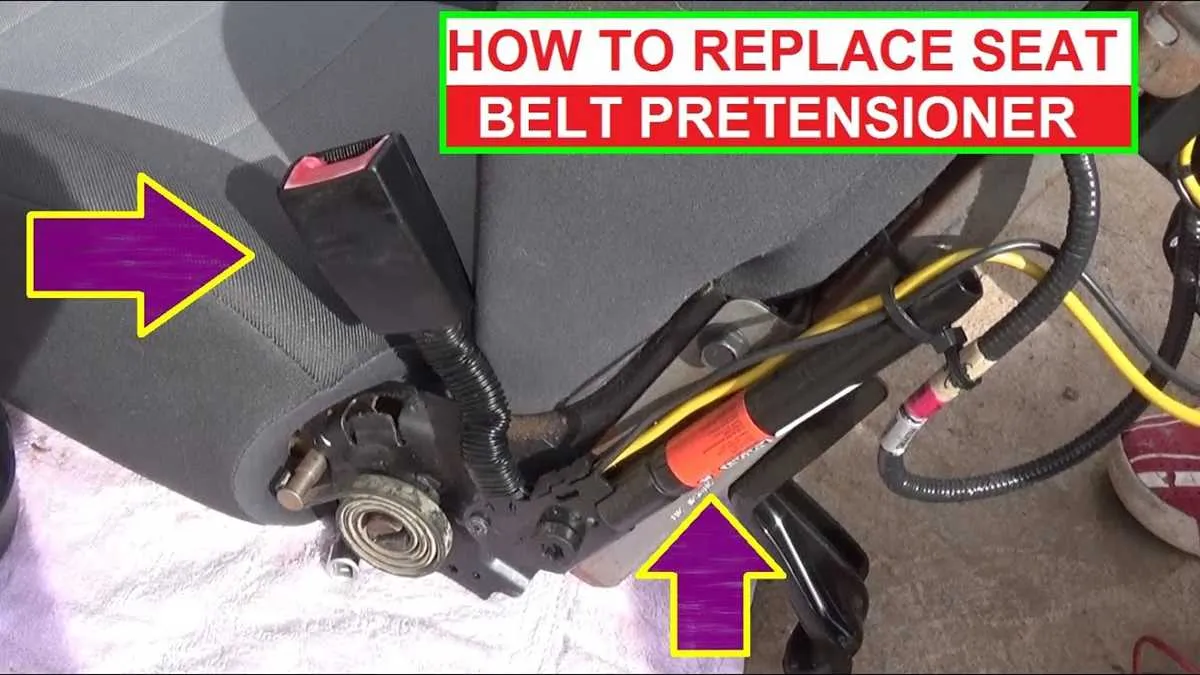
Seat belt pretensioners work by rapidly tightening the seat belt during a crash to secure the occupant. Here’s a breakdown of the key components that make this possible:
- Retractor Mechanism: This is the part that unwinds and winds the seat belt during normal use. In the event of a collision, it quickly retracts the seat belt to reduce slack, holding the occupant firmly in place.
- Motor or Pyrotechnic Charge: The pretensioner uses either an electric motor or a small explosive charge (pyrotechnic) to activate the retractor mechanism. The motor provides a quick retraction, while the pyrotechnic system ignites a charge to tighten the belt within milliseconds.
- Activation Sensors: These sensors detect a crash event and trigger the pretensioner. They are typically connected to the car’s airbag control unit, which processes the data from the vehicle’s impact sensors.
- Pretensioner Mechanism: This includes a small but powerful spring-loaded system that accelerates the seat belt retraction. It is designed to withstand the forces generated during a collision without failure.
- Control Unit: The control unit coordinates the timing of the pretensioner activation. It processes input from various sensors to ensure the seat belt tightens at the optimal moment for maximum safety.
By understanding these components, it’s easier to see how the pretensioner system functions to minimize injury during a crash. Each part plays a vital role in ensuring the seat belt tightens efficiently, protecting the occupant from harm.
How a Seat Belt Pretensioner Works in a Collision
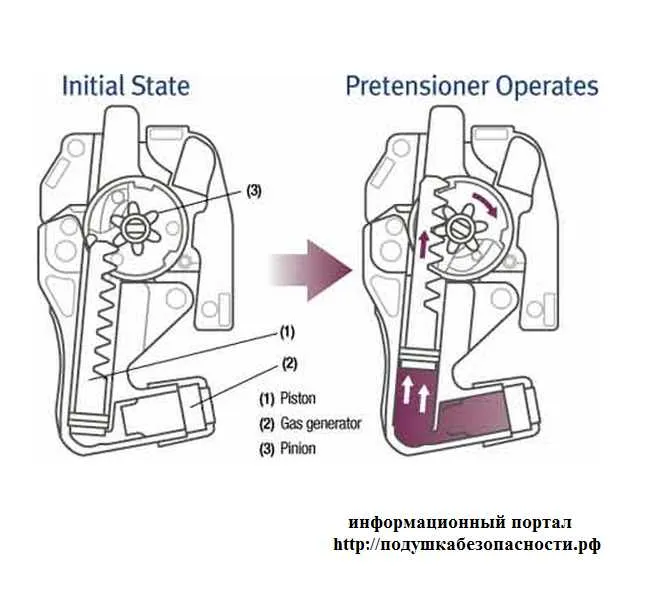
In a collision, a seat belt pretensioner activates instantly, reducing slack in the seatbelt to secure the occupant more tightly in their seat. This helps minimize the movement of the body, limiting the risk of injury during impact. The system typically uses a small explosive charge or a spring mechanism that quickly retracts the belt webbing.
When a crash sensor detects a sudden deceleration, it sends a signal to the pretensioner, triggering the mechanism. The explosive charge ignites or the spring compresses, pulling the seatbelt tight across the body. This process happens in milliseconds, ensuring the occupant is held in place, preventing them from being thrown forward or experiencing excessive motion that could lead to severe injury.
After the pretensioner has deployed, the seatbelt remains tight, but the retractor allows limited movement to accommodate further forces from the collision, such as airbag deployment. This controlled movement ensures the occupant stays securely restrained while still providing enough space for the airbags to function effectively.
Common Issues and Maintenance of Seat Belt Pretensioners
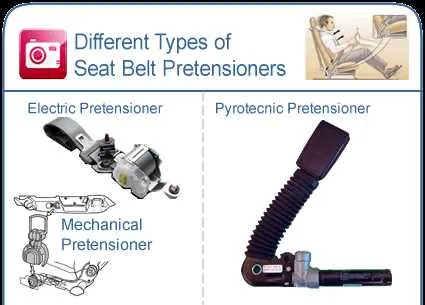
Seat belt pretensioners may malfunction due to various factors, including wear, impact, or electrical issues. Regular inspections help detect problems early, preventing serious safety risks. Start by checking the pretensioner for visible signs of damage, such as fraying or cracking in the seat belt webbing. If any signs of wear appear, replace the entire seat belt assembly to ensure it functions properly during a collision.
A common issue is the failure of the pretensioner mechanism, often caused by a faulty sensor or wiring problem. The sensor detects a crash and activates the pretensioner to pull the seat belt tight. If the sensor is damaged or the wiring is corroded, the pretensioner won’t deploy in an emergency. Inspect the wiring for damage and replace any faulty components. Avoid using non-genuine parts, as they may compromise the system’s performance.
Electrical malfunctions can also disrupt the operation of the pretensioner. These issues often stem from a poor connection between the pretensioner and the vehicle’s central control unit. Regularly cleaning connectors and ensuring that there are no loose wires can help maintain proper function. If you suspect an electrical issue, a diagnostic scan can reveal fault codes related to the pretensioner system.
When servicing the seat belt pretensioners, always use manufacturer-approved parts and follow the recommended repair procedures. Incorrect installation can result in improper function and increased risk during an accident. Also, after a collision, have the pretensioners checked immediately, as they may have been activated and need replacement.