2013 Jeep Grand Cherokee 5.7 Belt Diagram and Maintenance Guide
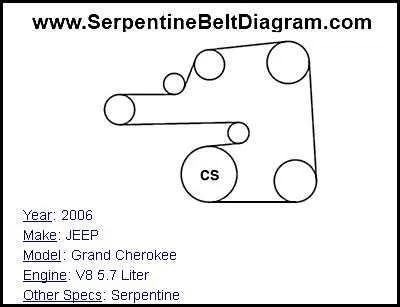
The 2013 Jeep Grand Cherokee 5.7 engine belt configuration plays a crucial role in ensuring that the vehicle’s components function smoothly. Understanding the correct routing of the serpentine belt is vital for maintaining your vehicle’s performance and preventing unnecessary wear. If you’re facing issues with belt alignment or need to replace the serpentine belt, this guide provides a detailed, clear diagram to assist in the process.
For a reliable and correct installation, start by inspecting the belt tensioner and pulleys. The 5.7-liter HEMI engine has a specific routing system that requires careful attention to the pulleys and their order. This diagram will help you visualize the path the belt should follow, which is key to avoiding misalignment and potential damage to your engine components.
Be sure to use the right tools to release the tension on the belt, and verify the condition of the pulleys before installing the new belt. Any signs of wear, such as cracks or fraying, should be addressed immediately to avoid breakdowns. The diagram simplifies the process, ensuring you can replace or adjust the belt with confidence, keeping your Grand Cherokee running smoothly.
2013 Jeep Grand Cherokee 5.7 Belt Diagram
For a precise understanding of the serpentine belt layout on the 2013 Jeep Grand Cherokee 5.7, follow the belt routing below. Ensuring the correct path helps in preventing unnecessary wear and tear on your engine components. The serpentine belt drives essential accessories like the alternator, power steering pump, and air conditioning compressor. Here’s how you should position the belt:
- Start from the crankshaft pulley on the bottom left.
- Route the belt around the idler pulley, located near the top left of the engine.
- Pass the belt over the alternator pulley, situated in the middle of the engine.
- Run the belt downwards to the power steering pump pulley.
- Ensure the belt goes around the air conditioning compressor pulley.
- Finish by looping the belt over the tensioner pulley on the far right side of the engine.
It’s critical to check the belt tension after installation. If too loose or too tight, it can lead to slippage or premature wear. Use a belt tension gauge or follow the manufacturer’s specification for proper tension. Regular inspection of the belt for cracks, fraying, or signs of wear can prevent breakdowns and ensure smooth engine performance.
If replacing the belt, always make sure to use the correct part number for the 2013 Jeep Grand Cherokee 5.7 to guarantee a proper fit and performance. The belt should also be routed correctly to avoid interference with other engine components. An incorrectly routed belt can result in excessive wear or even engine damage.
Understanding the Belt Routing for the 2013 Jeep Grand Cherokee 5.7
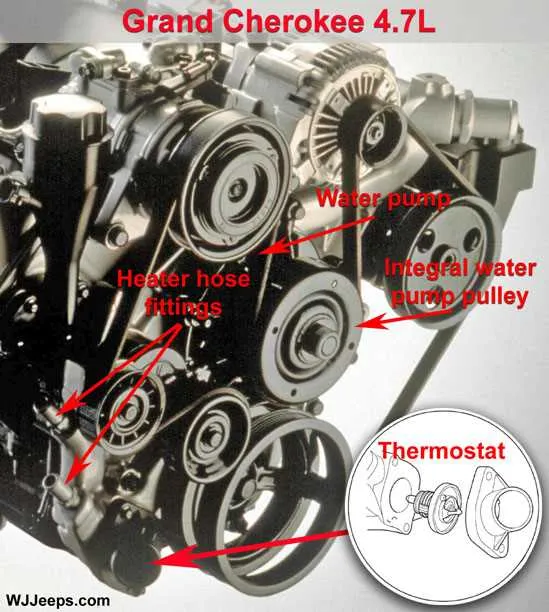
To properly route the serpentine belt on the 2013 Jeep Grand Cherokee 5.7, follow the pattern outlined in the vehicle’s manual. The belt should loop around the crankshaft pulley, the alternator, and the power steering pump. Ensure it is correctly positioned over the water pump, air conditioning compressor, and tensioner pulley, with the proper tension to avoid slippage.
Check that the belt’s orientation aligns with the pulleys in the correct sequence. It’s important that the belt passes smoothly through the idler pulley and over the tensioner. The tensioner, which maintains the belt’s correct tightness, should move freely but provide consistent pressure to prevent loosening.
Before installing the new belt, inspect the pulleys for any signs of wear or damage. Any faulty components should be replaced to avoid further issues. If the belt is worn, replace it immediately to prevent it from breaking or slipping off during operation.
After replacing the belt, rotate the engine by hand and ensure the belt moves through its intended path without any obstructions or misalignments. Check again for proper tension and ensure the belt is securely seated in all pulley grooves.
By following this method, you ensure that the 2013 Jeep Grand Cherokee’s serpentine belt performs optimally, keeping all engine systems running smoothly.
Common Issues with the Serpentine Belt and How to Identify Them
Check for squealing or chirping sounds–these are often signs of a worn or misaligned serpentine belt. If the belt slips, it may be too loose, or the tensioner might be failing. Look for visible cracks, frays, or missing ribs on the belt. These can cause a sudden breakdown or poor performance of your vehicle’s systems.
Inspect the belt’s condition regularly, especially after 50,000 miles. If you notice any glazing (a shiny appearance on the belt surface), it could mean the belt is too tight or running too hot, leading to reduced performance. Cracking along the edges is a sign of wear due to age or exposure to heat and sunlight.
A jerky or erratic operation of accessories like the alternator, power steering, or air conditioning may signal a slipping or damaged belt. If the belt fails completely, the vehicle could experience a loss of power steering, electrical issues, or engine overheating.
Pay attention to any unusual vibrations in the engine, which could point to an issue with the belt or its related components, like pulleys. A misaligned pulley can also cause wear patterns on the belt, contributing to uneven tension or premature failure.
Always replace a worn serpentine belt with a quality replacement to avoid further damage to other engine components. If you notice any of these signs, replace the belt sooner rather than later to prevent breakdowns.
Step-by-Step Guide to Replacing the Serpentine Belt on the 2013 Jeep Grand Cherokee 5.7
First, ensure you have all necessary tools: a new serpentine belt, a socket wrench, a belt tensioner tool, and safety gloves. Secure the vehicle on a flat surface and disconnect the negative terminal of the battery to avoid electrical issues during the replacement process.
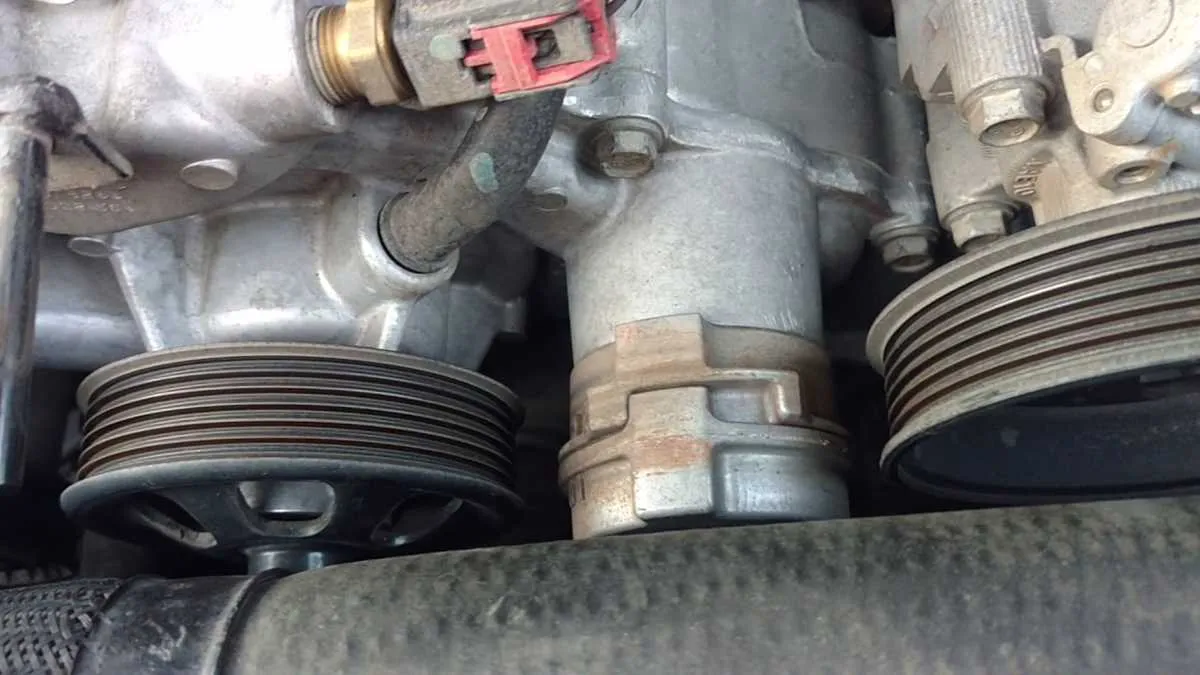
Start by locating the serpentine belt in the engine bay. On the 2013 Jeep Grand Cherokee 5.7, it runs over multiple pulleys and is tightened by the tensioner. Use a diagram of the belt routing to guide you through the process, making sure you understand the path the belt follows.
Next, use the belt tensioner tool to relieve tension from the serpentine belt. Insert the tool into the tensioner and rotate it clockwise to release the pressure. Once the tension is off, carefully remove the belt from the pulleys. It may require a little maneuvering to get it free, but be patient.
Before installing the new belt, check the condition of the pulleys and the tensioner. Look for signs of wear or damage that could cause future issues. If necessary, replace any worn components to ensure the new belt runs smoothly.
Now, carefully route the new serpentine belt around the pulleys according to the belt diagram. Make sure it fits snugly in the grooves of each pulley and is properly aligned. Double-check the routing to avoid mistakes, as improper routing can damage the engine components.
Once the belt is in place, use the tensioner tool again to apply tension to the belt. The belt should be taut, but not overly tight. Release the tensioner tool and ensure the belt stays in place without slipping.
Reconnect the battery and start the engine. Listen for any unusual noises that might indicate the belt is misaligned or the tension is incorrect. If everything sounds good, perform a quick inspection to ensure the belt is running smoothly across all pulleys.
If the new belt runs smoothly, you’ve successfully replaced it. Always keep an eye on the belt’s condition in the future, as routine checks can prevent premature failures.