2004 Mustang GT Serpentine Belt Diagram and Routing Guide

If you’re replacing the serpentine belt on a 2004 Mustang GT, you need to make sure the belt routing is correct for optimal performance. The serpentine belt drives multiple components, including the alternator, power steering pump, air conditioning compressor, and water pump. Getting the routing wrong can cause the engine to overheat or drain the battery. Start by inspecting the belt for wear and tear, as well as checking for any components that might need to be replaced, such as pulleys or tensioners.
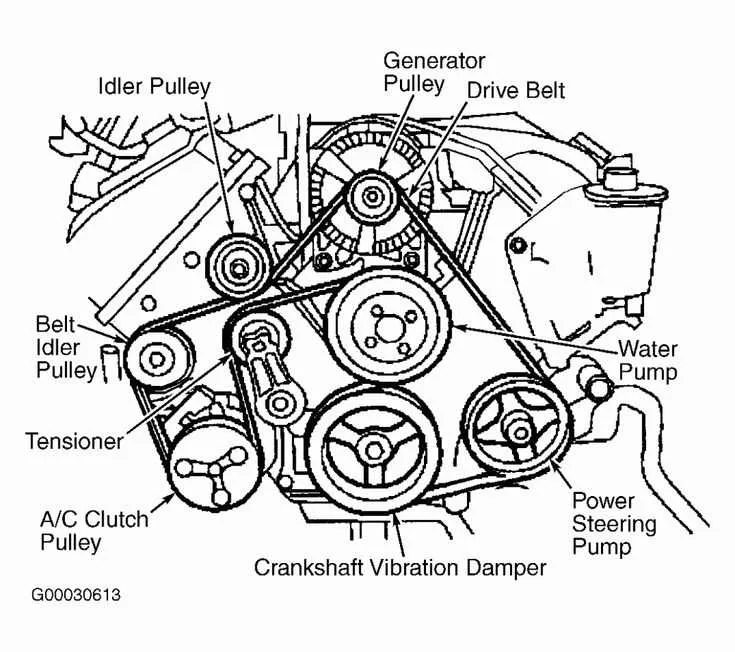
The 2004 Mustang GT uses a single serpentine belt system with a specific routing path. It’s essential to follow the diagram exactly to avoid unnecessary strain on engine parts. The belt wraps around a series of pulleys in a particular order, starting from the crankshaft pulley and moving towards the tensioner. After removing the old belt, make sure to release the tensioner properly to allow the new belt to slip into place smoothly.
Once you’ve installed the new belt, rotate the engine by hand to ensure everything moves freely and the belt tracks correctly. Double-check the tensioner, as it should be adjusted to apply the right amount of tension. An improperly tensioned belt can result in slipping or wear, leading to premature failure.
2004 Mustang GT Belt Diagram
To correctly replace or maintain the serpentine belt on a 2004 Mustang GT, follow this belt routing diagram. The proper belt alignment is crucial for the engine’s operation, as it powers essential components such as the alternator, power steering pump, and air conditioning compressor. Below is the standard belt configuration:
- Start at the crankshaft pulley and route the belt counterclockwise.
- Pass the belt around the AC compressor, keeping it tight and in alignment.
- Continue over the alternator pulley.
- The belt should loop over the tensioner pulley, ensuring proper tension.
- Route the belt around the power steering pump pulley and finish by securing it on the idler pulley.
The tensioner should automatically adjust the belt’s tension, so ensure it’s in good condition to maintain proper operation. A faulty tensioner may cause slipping or premature wear on the belt.
If you’re replacing the belt, it’s recommended to use a belt tool to relieve tension on the tensioner pulley. This will make the process smoother and prevent accidental damage to the components.
Always verify the belt’s condition after installation. A squealing sound or inconsistent performance might indicate a misaligned belt or worn pulleys. If the belt is too loose or tight, it can affect engine performance, so adjusting the tension is critical.
For more detailed visual assistance, refer to the Mustang’s manual or search for a clear diagram specific to your model year online.
How to Read and Understand the 2004 Mustang GT Belt Diagram
To understand the 2004 Mustang GT belt diagram, begin by identifying the components the belt drives. These include the alternator, power steering pump, water pump, air conditioning compressor, and the crankshaft pulley. Each of these components has a specific function in the engine, and the serpentine belt ensures they operate in sync.
The diagram typically shows the path of the serpentine belt, with arrows indicating the direction of rotation. Pay attention to any tensioners or idler pulleys, which maintain proper tension on the belt. These components are essential for keeping the belt taut and preventing slippage, ensuring smooth operation.
Check for any misalignment in the diagram. If a component is not properly aligned with the belt’s path, it could lead to wear or premature failure of the belt. The diagram will also show how the belt loops around these parts–making sure it runs smoothly across each component is key to maintaining engine efficiency.
When replacing the serpentine belt, compare the old one to the diagram to ensure the new belt is routed correctly. Misrouting can cause the belt to fail quickly, leading to costly repairs. If you’re unsure, use a tool like a serpentine belt tool to relieve tension from the tensioner, making it easier to install the new belt correctly.
Lastly, always check the condition of the belt during maintenance. Look for signs of wear, such as cracks or fraying, and replace the belt if necessary to avoid engine damage. Regular checks will help you avoid problems down the road.
Step-by-Step Guide for Replacing the Serpentine Belt on a 2004 Mustang GT
To replace the serpentine belt on your 2004 Mustang GT, you’ll need basic tools and a little patience. Follow these steps for a smooth process:
1. Gather Tools and Parts: You’ll need a 3/8″ drive ratchet, a serpentine belt tensioner tool or breaker bar, a new serpentine belt, and possibly a socket set.
2. Locate the Serpentine Belt: The serpentine belt is located at the front of the engine. Look at the engine bay to find the long, winding belt connecting several components, including the alternator, water pump, and power steering pump.
3. Relieve Tension on the Belt: Using the tensioner tool or breaker bar, rotate the serpentine belt tensioner clockwise to loosen the tension on the belt. This will allow you to remove the old belt. Make sure to keep pressure on the tool as you move it to avoid any sudden release.
4. Remove the Old Belt: Once the tension is off, slide the belt off the pulleys carefully. Pay attention to the belt’s routing path. A diagram can be helpful to ensure you install the new belt correctly.
5. Install the New Belt: Before placing the new belt, double-check the routing diagram for the proper path. Start by looping the new belt around the pulleys, making sure it sits properly on each one. Ensure the grooves on the belt align with the pulleys.
6. Reapply Tension: Use the tensioner tool to rotate the tensioner back into place, applying the correct tension to the belt. Verify that the belt is snug and that all components are securely aligned.
7. Double Check: Before closing the hood, rotate the engine by hand a few times (using a wrench on the crankshaft pulley) to ensure the belt moves freely and doesn’t make any unusual sounds. Check for proper alignment on all pulleys.
8. Test the Car: Start the engine and visually inspect the new belt while the car is running. Make sure it’s operating smoothly and there’s no slipping or unusual noise.
Replacing the serpentine belt on a 2004 Mustang GT is straightforward with the right tools and attention to detail. Regularly inspect the belt for wear and replace it as needed to avoid more serious engine issues.
Troubleshooting Common Belt Issues in the 2004 Mustang GT
If your 2004 Mustang GT’s belt is squeaking or not functioning properly, it’s time to inspect it closely. A misaligned or worn-out belt can cause performance issues, affecting your alternator, power steering, and air conditioning systems.
Start by checking for any visible signs of wear on the serpentine belt. Cracks, fraying, or glazing are indicators that the belt needs replacing. Ensure the belt is properly aligned. If it’s misaligned, you might hear a squealing noise that gets louder as you accelerate. This often means the tensioner or pulleys may be out of place or worn down.
If you notice a decrease in power steering performance, especially at low speeds, or if your air conditioning stops working intermittently, the issue could lie with the belt’s tension. A loose belt won’t turn the pulleys effectively. Tightening the tensioner might resolve the issue, but if the tensioner is worn out, replacing it is the best solution.
Another common problem is the belt slipping off the pulleys. This often occurs if the belt is old, the pulleys are damaged, or the tension is incorrect. Inspect the pulleys for damage or wear; if you find any rough spots or grooves, they might need replacing. A worn-out tensioner or idler pulley can also cause the belt to lose tension and slip.
Examine the belt’s routing according to the factory diagram. An incorrect routing can lead to premature belt wear and even cause the belt to come off entirely. If you’re unsure of the proper routing, consult the vehicle manual or look for a diagram near the engine bay.
Finally, a malfunctioning alternator or power steering pump can also put undue stress on the belt. If the belt is in good condition but still slipping or misbehaving, check these components for proper operation.