2012 Kia Forte Belt Diagram and Maintenance Guide for Engine Components
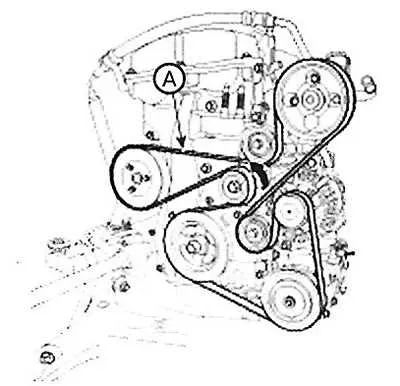
If you’re experiencing issues with the serpentine belt or need to replace it, knowing the proper diagram for the 2012 Kia Forte can save time and prevent errors. The serpentine belt powers key components like the alternator, power steering pump, and air conditioning compressor. Understanding the layout is crucial for ensuring that each part runs smoothly and your vehicle remains reliable.
The 2012 Kia Forte uses a single serpentine belt, and its configuration is fairly straightforward. Start by identifying the crankshaft pulley, which drives the belt’s movement. From there, the belt loops around several pulleys, including the alternator, water pump, power steering, and AC compressor. Make sure the tensioner pulley is correctly positioned to maintain the appropriate tension for optimal belt performance.
Referencing the exact diagram for your model year is important, as even small changes in pulley alignment can affect the belt’s longevity and efficiency. Take care to inspect the belt for wear, cracks, or fraying before installing it. This proactive step can help avoid unexpected breakdowns or costly repairs in the future.
2012 Kia Forte Belt Diagram
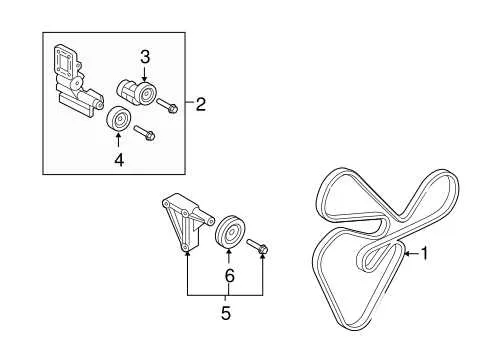
The 2012 Kia Forte uses a serpentine belt system that powers multiple components like the alternator, power steering pump, and air conditioning compressor. If you’re replacing or inspecting the belt, follow the diagram to ensure correct routing.
The primary belt routing is as follows: Start with the crankshaft pulley at the bottom left of the engine. From there, the belt loops around the power steering pump, then the alternator, and continues to the air conditioning compressor. Afterward, it wraps around the idler pulley and finally around the tensioner pulley, ensuring it remains tight.
Check the tensioner pulley for any signs of wear, as it helps maintain the proper belt tension. A worn-out tensioner can lead to slipping or squeaking noises, causing the belt to fail prematurely. If you hear unusual sounds, it’s best to inspect this component along with the belt.
For the correct belt size, the 2012 Kia Forte typically uses a 6PK1735 belt. Double-check the belt length and ensure it’s compatible with your model, especially if your vehicle is equipped with additional accessories or modifications that may affect the configuration.
Always inspect the belt for cracks, fraying, or signs of wear. If you notice any damage, replace the belt promptly to avoid potential engine issues.
How to Read and Understand the 2012 Kia Forte Serpentine Belt Diagram
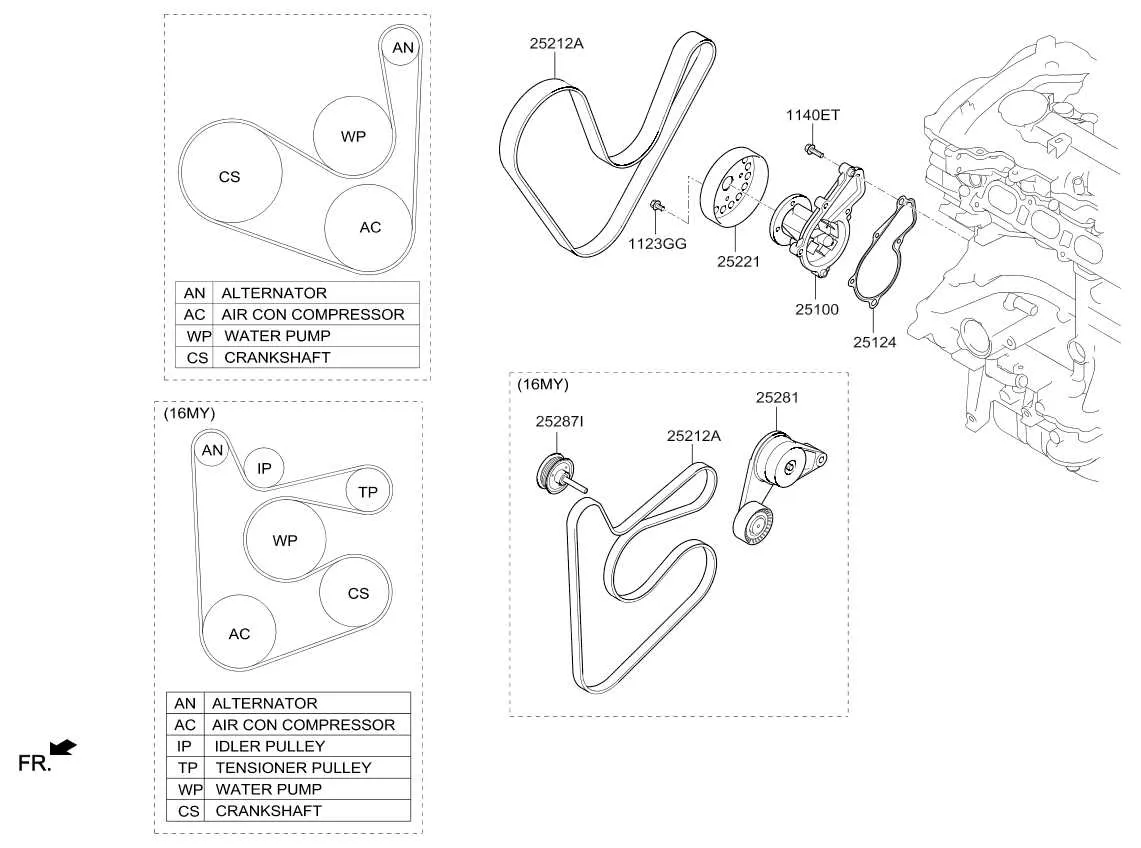
The serpentine belt diagram for your 2012 Kia Forte is a clear representation of how the belt loops around the engine’s pulleys. Understanding it is key to ensuring your engine’s components run smoothly and efficiently. Look for the belt routing, which shows the path the serpentine belt follows to power components like the alternator, power steering pump, air conditioning compressor, and more.
To read the diagram, start by identifying the components connected to the belt. The diagram typically includes pulleys and their respective parts, with arrows indicating the direction of belt rotation. Pay attention to the tensioner pulley, which maintains belt tightness. In most diagrams, it’s marked with a special symbol or label. This pulley might also be adjustable, depending on your car’s setup, to ensure proper belt tension.
Next, look for the specific routing. The serpentine belt wraps around various pulleys in a certain order. The diagram shows this order precisely, helping to avoid mistakes when replacing or inspecting the belt. Follow the arrows in the direction of travel for the belt to ensure accuracy. If you’re replacing the belt, the diagram can guide you through the process without confusion, so you can install the new belt correctly.
If your diagram includes part numbers or references to specific pulleys, take note of those as they will help when sourcing replacement parts. Always ensure you’re using the correct part to avoid damage to other components or improper function of the engine.
Lastly, keep the diagram handy for future maintenance. It’s an invaluable tool for checking belt condition or troubleshooting if you encounter issues like squeaking or slipping. Regular inspection of your serpentine belt based on the diagram will help you spot wear and prevent more costly repairs down the road.
Common Issues with the 2012 Kia Forte Belt and How to Troubleshoot
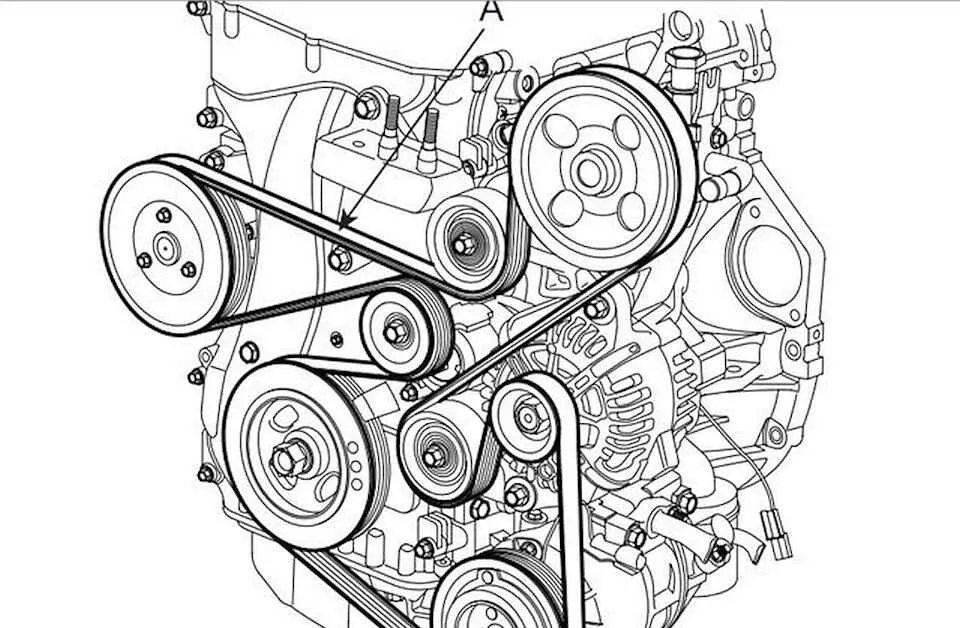
If your 2012 Kia Forte’s belt is squealing or the dashboard lights indicate a potential issue, it’s likely related to wear or misalignment. Start by inspecting the serpentine belt for cracks, frays, or any visible damage. A worn belt can slip, causing poor performance or even engine failure in extreme cases.
Another common issue is belt misalignment. Check the tensioner and pulleys. If a pulley is misaligned or the tensioner isn’t applying proper tension, the belt won’t sit correctly, leading to squeaks or slipping. This misalignment can often be traced back to a worn-out tensioner or idler pulley, both of which should be replaced promptly.
Check for belt tension. If the belt feels too loose or too tight, the tensioner could be faulty. Use a belt tension gauge to measure the force, and replace the tensioner if needed. Over-tensioning or under-tensioning the belt may lead to premature wear, engine overheating, or even electrical issues due to inadequate power distribution.
Examine the belt for contamination. Dirt, oil, or coolant can cause the belt to lose traction and wear out faster. Clean the affected area and ensure no leaks are present around the engine. If the contamination persists, it could point to a more serious engine problem like a leaking coolant reservoir or oil seal.
For persistent squealing noises, try using a belt dressing to temporarily reduce friction. However, this is not a permanent solution and should not replace a thorough inspection. It’s crucial to address the root cause, such as worn-out pulleys or a misaligned belt, as soon as possible to avoid more expensive repairs.
If all else fails, replace the serpentine belt. It’s a relatively simple job, but make sure to get a high-quality replacement and follow the belt routing diagram. Incorrect belt installation can lead to further issues, such as overheating or poor air conditioning performance. Consult the service manual for precise instructions on belt routing.
Step-by-Step Guide to Replacing the Serpentine Belt on a 2012 Kia Forte
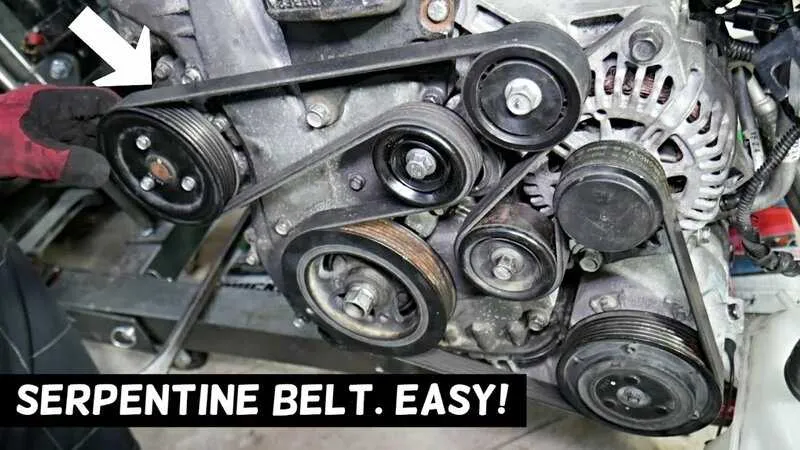
To replace the serpentine belt on your 2012 Kia Forte, follow these steps carefully to avoid any mishaps.
- Prepare your tools and workspace: Gather a wrench set, a serpentine belt tool (or a 3/8″ ratchet), and a replacement belt. Ensure the car is parked on a level surface with the engine off and the parking brake engaged.
- Locate the serpentine belt: Open the hood and find the serpentine belt. It runs around several pulleys, including the alternator, power steering pump, and air conditioning compressor.
- Release tension from the belt: Use a wrench or ratchet on the belt tensioner pulley to relieve tension on the serpentine belt. Rotate the pulley counterclockwise to release the pressure, then slide the belt off the pulleys.
- Remove the old belt: Once the tension is relieved, carefully remove the belt from the pulleys, noting its routing for reference when installing the new belt.
- Inspect pulleys and components: Before installing the new belt, inspect the pulleys and other related components for wear, damage, or misalignment. If anything looks out of place, replace or repair it before continuing.
- Install the new serpentine belt: Place the new belt on the pulleys according to the diagram located near the radiator or in the owner’s manual. Follow the exact routing as the old belt.
- Apply tension to the belt: Use the wrench or ratchet to rotate the belt tensioner again, allowing it to apply tension to the new belt. Double-check that the belt is correctly aligned on all pulleys.
- Verify belt placement: Ensure the belt is seated properly in all grooves and is not twisted or misaligned.
- Test the installation: Start the engine and watch the belt in motion. Listen for any unusual sounds like squealing, which could indicate improper installation. If everything looks good, you’re done.
With these steps, you should have successfully replaced the serpentine belt on your 2012 Kia Forte. Regular maintenance can help avoid issues down the line, so don’t forget to check the belt periodically for wear.