2008 Acura TSX Serpentine Belt Diagram and Replacement Guide
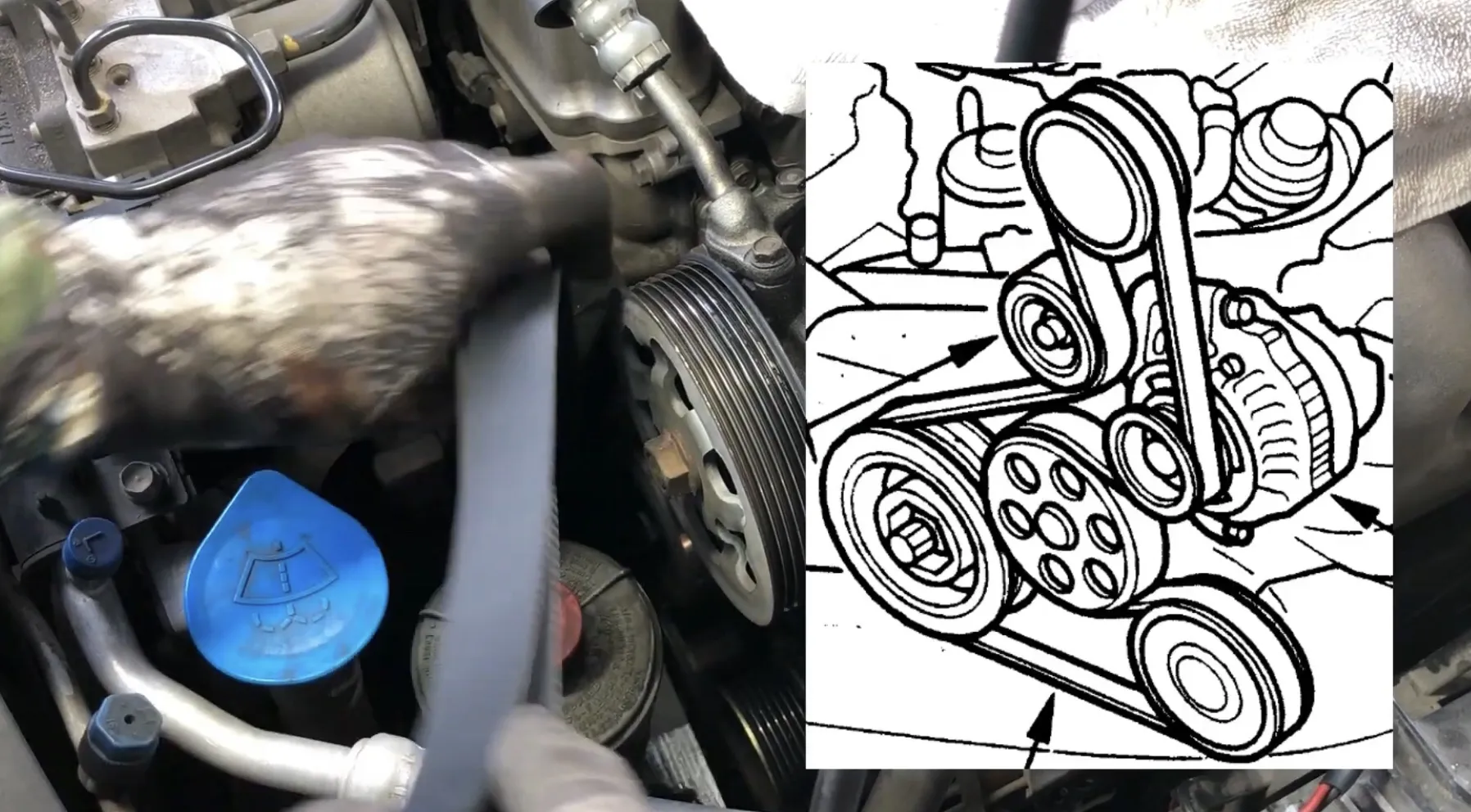
The serpentine belt on the 2008 Acura TSX plays a critical role in driving multiple engine components. Understanding its routing and function is important when performing maintenance or replacing the belt. Below is a clear and concise explanation of the serpentine belt system, its diagram, and practical tips for its maintenance and replacement.
Serpentine Belt Routing for 2008 Acura TSX
The 2008 Acura TSX uses a single serpentine belt to drive the alternator, power steering pump, air conditioning compressor, and water pump. The diagram below provides the belt routing, which ensures that each component receives the necessary power to operate efficiently.
- Start at the crankshaft pulley on the engine.
- The belt wraps around the power steering pump pulley, followed by the alternator.
- The belt continues to the air conditioning compressor and the water pump, and finally loops back to the crankshaft pulley.
Key Components in the Belt System
The components that the serpentine belt drives are critical for the operation of the vehicle. These include:
- Alternator: Charges the battery and powers electrical components while the engine is running.
- Power Steering Pump: Provides hydraulic pressure for the power steering system.
- Air Conditioning Compressor: Powers the A/C system for cooling the cabin.
- Water Pump: Circulates coolant throughout the engine to maintain proper operating temperature.
Steps for Replacing the Serpentine Belt
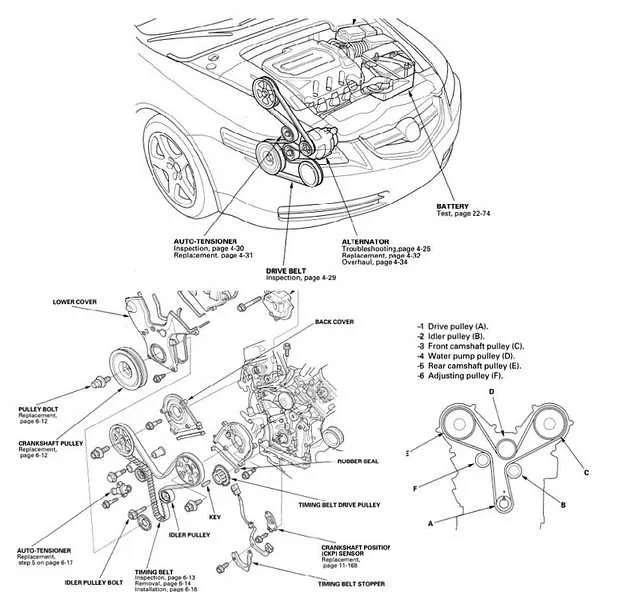
Replacing the serpentine belt on a 2008 Acura TSX is straightforward if you follow the correct steps. Below is a step-by-step guide to help you complete the task:
- Step 1: Locate the tensioner pulley, which maintains the tightness of the belt.
- Step 2: Use a wrench or socket to rotate the tensioner and release pressure from the belt.
- Step 3: Remove the old belt from the pulleys, noting the routing for reinstallation.
- Step 4: Install the new serpentine belt by following the routing diagram.
- Step 5: Rotate the tensioner again to apply pressure to the belt and ensure proper tension.
- Step 6: Double-check the belt alignment and tension before closing the engine bay.
Common Issues with the Serpentine Belt
If you notice any of the following symptoms, it’s time to check the serpentine belt:
- Squealing Noise: A worn or loose belt may cause a high-pitched squeal, especially when starting the engine.
- Sluggish Accessories: If the air conditioning or power steering feels weak, the belt may not be running the components efficiently.
- Visible Cracks or Damage: Inspect the belt for wear, cracks, or fraying. A damaged belt should be replaced immediately to avoid further engine damage.
Proper maintenance and timely replacement of the serpentine belt are crucial for the smooth operation of the 2008 Acura TSX. Regular inspection helps prevent sudden failures and costly repairs.
2008 Acura TSX Serpentine Belt Diagram
The 2008 Acura TSX serpentine belt is a critical component for driving multiple engine accessories. This includes the alternator, air conditioning compressor, power steering pump, and water pump. Ensuring the belt is properly installed and tensioned is key for smooth vehicle operation.
Refer to the diagram below for the correct routing of the serpentine belt in the 2008 Acura TSX. Pay close attention to the direction of the belt’s path, especially around the pulleys and the tensioner. Make sure the belt is securely placed in all grooves to prevent slippage.
Key Installation Tips:
- Before replacing, release the tension on the serpentine belt using the appropriate tool to avoid damaging the tensioner.
- Inspect the belt for wear, cracks, or fraying before installation to prevent future failure.
- After installation, check the belt’s tension. The belt should be snug, but not overly tight, to ensure proper operation without straining the tensioner.
Always refer to the specific vehicle manual or an online diagram for the most accurate routing instructions. Regular inspection of the serpentine belt will help maintain the longevity of engine components and prevent unnecessary repairs.