2009 Ford Fusion Belt Diagram and Serpentine Belt Routing Guide
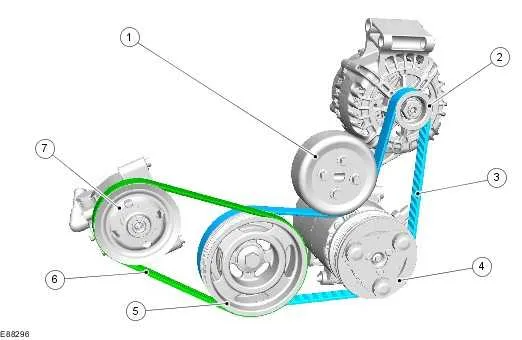
If you’re working on the 2009 Ford Fusion, the belt diagram is a crucial tool to ensure everything is running smoothly. The serpentine belt system plays a key role in powering various components like the alternator, air conditioning compressor, and power steering pump. A correct setup ensures optimal performance and helps avoid damage to engine parts.
The 2009 Ford Fusion comes with two engine options: the 2.3L 4-cylinder and the 3.0L V6. Each has a slightly different configuration for the serpentine belt routing, so it’s important to refer to the correct diagram for your specific engine type. Make sure you understand the belt tensioner location and the path the belt takes around the pulleys. The tensioner helps maintain proper belt tension, preventing slippage or wear.
Before replacing the belt, double-check the routing to ensure it’s properly aligned with all pulleys. Any deviation can lead to premature wear or even cause components to fail. If you’re not sure about the alignment, look for any labels or instructions on the front of the engine compartment, as these often have helpful diagrams.
To avoid unnecessary repairs, inspect the belt regularly for signs of cracks, wear, or fraying. A worn-out belt can affect engine performance and damage connected components. If you need a replacement, make sure to use a belt with the same specifications to maintain the right tension and alignment.
2009 Ford Fusion Belt Diagram
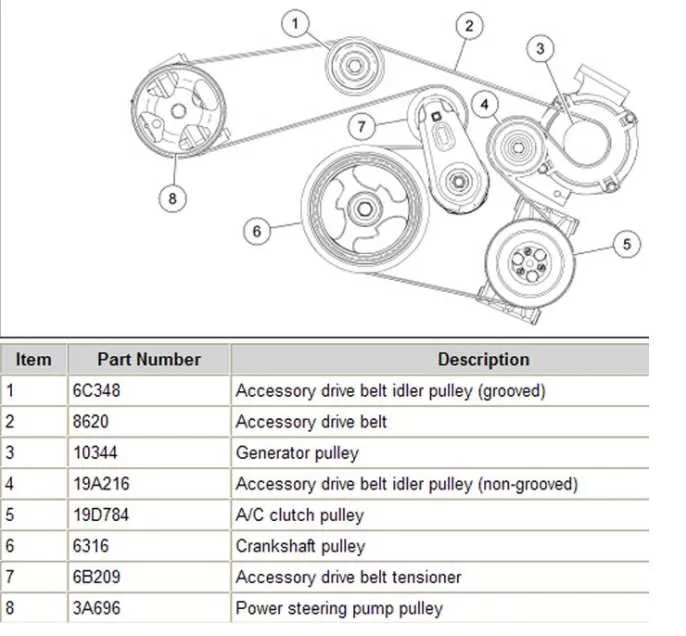
The 2009 Ford Fusion uses a serpentine belt to power multiple engine accessories, such as the alternator, power steering pump, and air conditioning compressor. Make sure the belt is properly routed through the system to avoid premature wear or failure. The belt diagram should be clearly visible on a sticker under the hood or in the owner’s manual. If the sticker is missing, follow this basic setup:
The main belt path starts at the crankshaft pulley and moves to the tensioner. From the tensioner, it goes over the alternator, then to the power steering pump. Next, the belt should loop around the water pump and air conditioning compressor before returning to the crankshaft. This pattern ensures each component operates smoothly without straining the system.
For replacing or inspecting the serpentine belt, always verify the routing first. In case of a belt failure, do not attempt to drive the vehicle as it could damage other components. Regular inspection of the belt for cracks or wear can prevent unexpected breakdowns. A new belt should have adequate tension to avoid slipping or noise.
Understanding the 2009 Ford Fusion Serpentine Belt Routing
The serpentine belt on a 2009 Ford Fusion is crucial for powering multiple engine components. Proper routing ensures everything functions smoothly and avoids unnecessary strain on the belt. The belt runs from the crankshaft pulley to the alternator, power steering pump, water pump, and air conditioning compressor. Incorrect routing can cause belt slippage or premature wear.
For a correct installation, start by routing the belt from the crankshaft pulley to the tensioner. From there, loop it around the power steering pump, ensuring it tracks along the correct path toward the alternator. Be sure the belt wraps around the air conditioning compressor before returning to the crankshaft. Double-check that the belt is seated properly in each pulley groove to avoid any misalignment.
If the belt tensioner isn’t applying enough pressure or is worn out, it can cause the belt to slip or fail. Regularly inspect the belt for any visible signs of wear, like cracks or fraying, and replace it if necessary. If the belt ever comes off, the routing diagram can serve as a useful guide to get it back on track quickly and accurately.
How to Replace the Serpentine Belt on a 2009 Ford Fusion
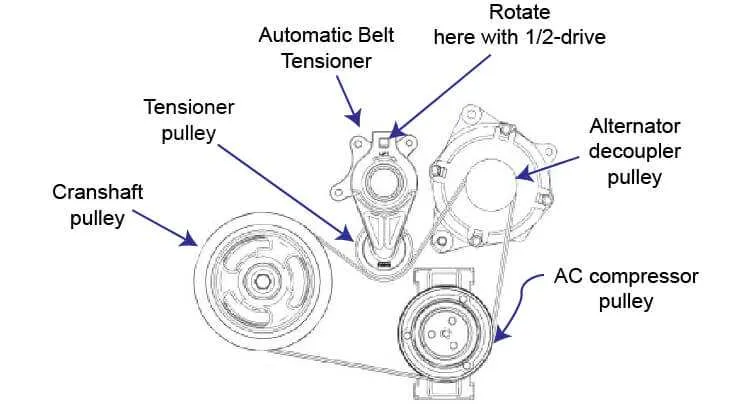
To replace the serpentine belt on a 2009 Ford Fusion, follow these steps:
- Locate the Serpentine Belt
The serpentine belt runs along the front of the engine and powers multiple accessories. You’ll find it connected to pulleys and tensioners. Check your vehicle manual for a diagram to understand the path the belt takes.
- Release the Tension on the Belt
Use a wrench to turn the belt tensioner clockwise. This will loosen the tension, allowing you to remove the belt. Make sure the wrench or socket is securely positioned to avoid slipping.
- Remove the Belt
Once the tension is released, slide the serpentine belt off the pulleys. Take note of how the belt is routed, as it needs to be installed the same way. You can refer to the diagram on the engine or your manual for guidance.
- Install the New Serpentine Belt
Position the new belt on the pulleys, following the exact routing of the old belt. Double-check the alignment to ensure it fits correctly.
- Reapply Tension
Use the wrench to move the tensioner again, allowing the belt to slip into place. Confirm the belt is tight and properly aligned on all pulleys.
- Test the Belt
Start the engine and observe the new belt. Ensure it runs smoothly without slipping or making excessive noise. If there are any issues, double-check the routing and tension.
Replacing the serpentine belt on your 2009 Ford Fusion is a straightforward process if you follow these steps carefully. Regular maintenance ensures the belt lasts longer and keeps all your accessories running smoothly.
Troubleshooting Common Issues with the 2009 Ford Fusion Belt System
Check for visible cracks, fraying, or wear on the serpentine belt. If you spot any damage, replace the belt immediately to avoid potential engine issues.
Listen for unusual noises like squealing or chirping. These sounds often indicate a loose or worn-out belt. Tightening or replacing the belt should eliminate these noises.
If the belt is slipping, it might be due to incorrect tension. The tensioner may need adjustment or replacement. A loose belt can cause your alternator or power steering to malfunction.
Inspect the pulleys for alignment. Misaligned pulleys can cause the belt to wear unevenly, leading to premature failure. Check the tensioner and pulleys for any signs of damage or misalignment and replace as needed.
Check the belt routing diagram to ensure the belt is installed correctly. Incorrect routing can lead to improper function of the belt system, causing strain on the engine components.
If the belt appears to be in good condition but still slips, check the serpentine belt’s tensioner. A weak or faulty tensioner may fail to maintain proper tension, leading to belt slippage.
For cooling issues, a worn-out belt may not properly power the water pump, causing engine overheating. Ensure the belt is intact and properly aligned to keep the cooling system functioning correctly.
Lastly, monitor for any signs of reduced engine performance, such as dimmed lights or difficulty steering. These may indicate that the alternator or power steering pump is not receiving sufficient power due to a worn belt.