2008 Honda Odyssey Serpentine and Timing Belt Diagram for Accurate Reference
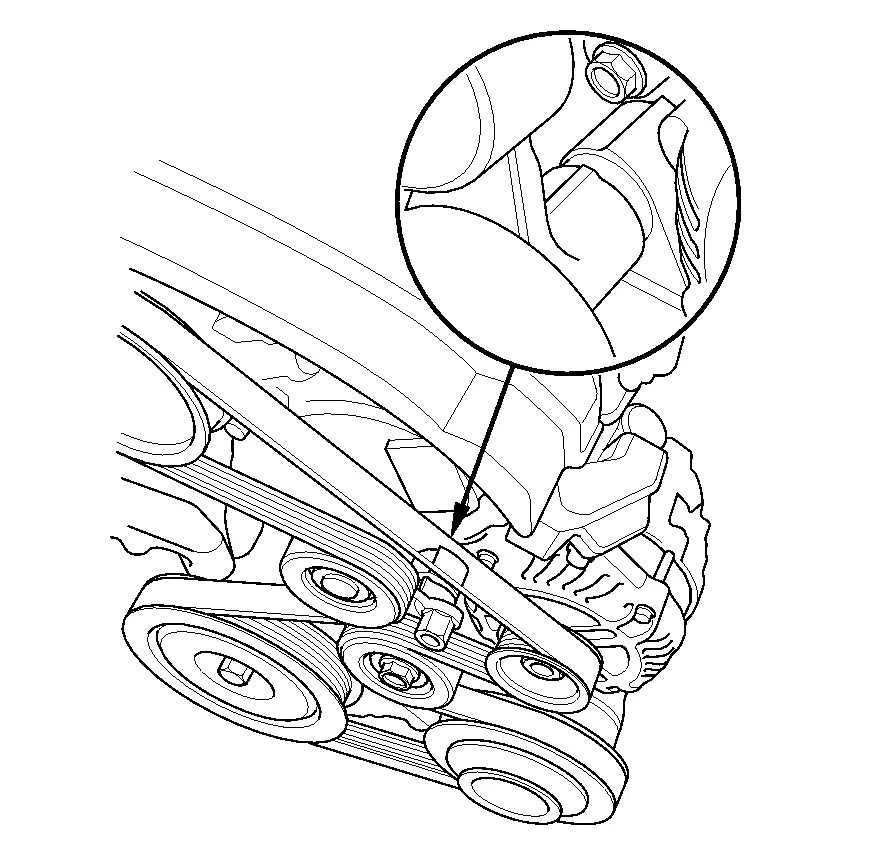
Locate the serpentine and timing belts precisely using the official 2008 Honda Odyssey belt diagram. The serpentine belt routes around the alternator, power steering pump, A/C compressor, and crankshaft pulley, ensuring smooth operation of all accessories. The timing belt synchronizes the camshaft and crankshaft to maintain engine timing and prevent damage.
Inspect belts regularly for wear and tension. Look for cracks, fraying, glazing, or missing ribs on the serpentine belt. Check the timing belt for oil contamination or excessive slack. Proper tension is critical: a loose belt may slip, while an overly tight belt can strain bearings and pulleys.
Follow replacement intervals based on mileage and conditions. Honda recommends replacing the timing belt at 105,000 miles or 7 years, whichever comes first. The serpentine belt should be inspected at each oil change and replaced every 60,000 miles or if signs of wear appear. Use the belt diagram to verify correct routing during installation and avoid engine misalignment.
Use the correct tools for removal and installation. A belt tensioner tool simplifies serpentine belt replacement, and locking tools secure the camshaft and crankshaft when changing the timing belt. Follow torque specifications for bolts and ensure pulleys spin freely before completing the installation.
Double-check alignment and pulley engagement after installation. Misaligned belts can cause noise, premature wear, or engine damage. Rotate the engine manually two full cycles to confirm the timing marks align with the belt diagram and that accessory belts track properly across all pulleys.
2008 Honda Odyssey Belt Diagram Practical Guide
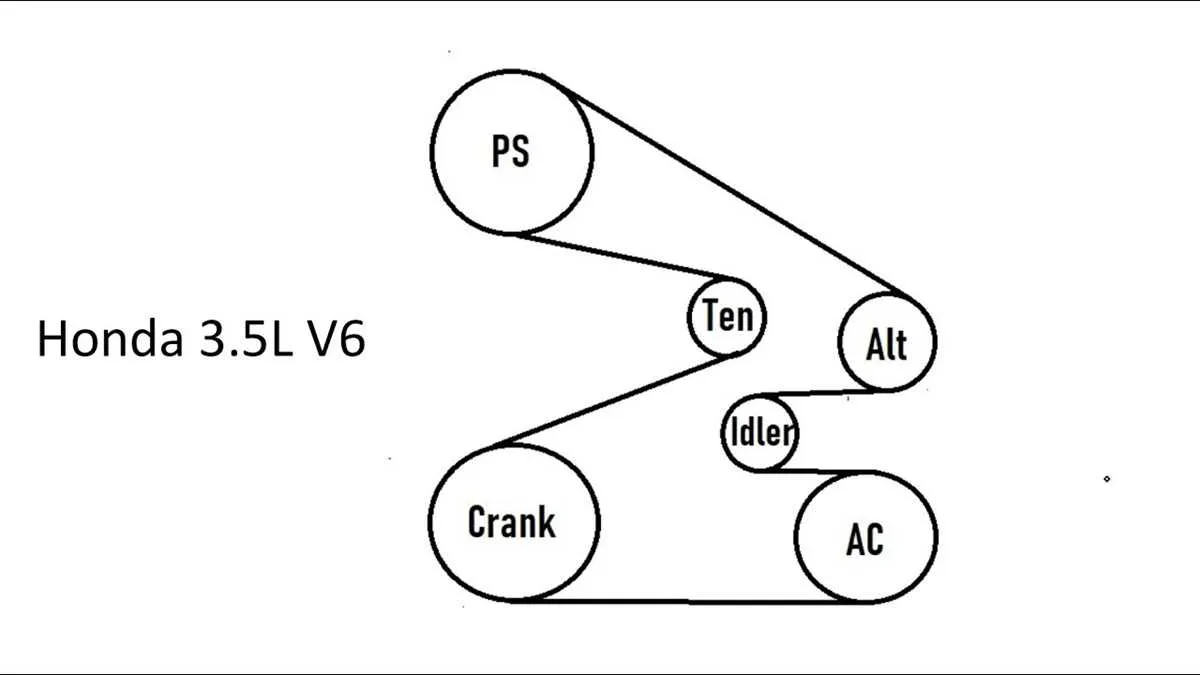
Refer directly to the diagram when inspecting or replacing the serpentine belt on a 2008 Honda Odyssey. Correct routing prevents engine damage and ensures smooth operation of all accessories.
Follow these steps for accurate belt maintenance:
- Locate the belt routing diagram near the engine compartment or in the owner’s manual.
- Identify each pulley: crankshaft, alternator, power steering, A/C compressor, and tensioner.
- Check the belt for cracks, fraying, or glazing; replace if any damage is visible.
- Use a wrench on the tensioner pulley to relieve tension, then remove the old belt.
- Align the new belt according to the diagram, ensuring it sits properly on each pulley groove.
- Release the tensioner slowly to apply correct tension on the belt.
- Rotate the engine manually two full turns to verify proper alignment and tension.
Additional tips for maintaining belt longevity:
- Inspect belt condition every 30,000 miles or during routine oil changes.
- Clean pulleys to remove debris that can cause premature wear.
- Replace the tensioner or idler pulleys if they show signs of noise or resistance.
- Keep the belt dry; oil or coolant contamination accelerates deterioration.
Following the diagram accurately ensures reliable performance of the engine accessories and prevents unexpected breakdowns. Keeping a clear photo or printout of the belt diagram in the glove compartment can simplify future maintenance tasks.
Identifying All Belts and Pulleys in the 2008 Honda Odyssey Engine
Locate the serpentine belt on the front of the engine, looping around the alternator, power steering pump, air conditioning compressor, and crankshaft pulley. Follow the diagram on the engine cover or service manual to trace the exact routing.
Check the timing belt behind the engine cover on the passenger side. This belt connects the crankshaft pulley to the camshaft pulleys, synchronizing valve and piston movement. Inspect the tensioner pulley for proper alignment and wear signs.
Inspect the accessory pulleys individually. The alternator pulley maintains electrical generation, the AC compressor pulley drives the air conditioning system, and the power steering pulley ensures smooth steering operation. Each pulley should rotate freely without wobble or excessive noise.
Identify the idler pulleys, which guide the serpentine belt along its correct path. These are located near the tensioner and between major accessories. Make sure the bearings are intact and the surfaces are smooth.
Confirm the water pump pulley, usually driven by the timing belt, as it circulates coolant through the engine. Check for leaks and listen for unusual sounds indicating wear.
Document all belt and pulley positions before removing any component. Use a marker or take a photo to maintain correct routing during reassembly.
Step-by-Step Belt Replacement for 2008 Honda Odyssey
Park the vehicle on a flat surface and engage the parking brake. Disconnect the negative battery terminal to prevent accidental electrical contact.
Locate the serpentine belt on the front of the engine. Identify the tensioner pulley, alternator, power steering pump, and crankshaft pulley to understand the belt routing before removal.
Release tension on the belt using a 3/8-inch ratchet or breaker bar on the tensioner pulley. Rotate the tensioner clockwise to relieve tension and carefully slide the belt off the pulleys.
Inspect all pulleys and components for wear, cracks, or wobbling. Replace any damaged pulleys or worn bearings to prevent premature belt failure.
Compare the new belt with the old one to ensure correct length and rib pattern. Align the new belt with the pulleys following the factory routing diagram.
Route the belt over the crankshaft pulley first, then sequentially over the alternator, power steering pump, and other accessories. Keep the belt snug on all pulleys except the tensioner.
Reapply tension by rotating the tensioner and slipping the belt over it. Release the tensioner slowly to engage the belt fully. Check that the belt sits properly in all pulley grooves.
Reconnect the battery and start the engine. Observe the belt for proper alignment, smooth rotation, and absence of squealing or unusual noise. Make minor adjustments if necessary.
Test drive the vehicle for a few minutes to confirm stable belt operation and consistent tension. Recheck pulleys and belt routing after initial operation to ensure durability.
Troubleshooting Common Belt Alignment and Tension Issues
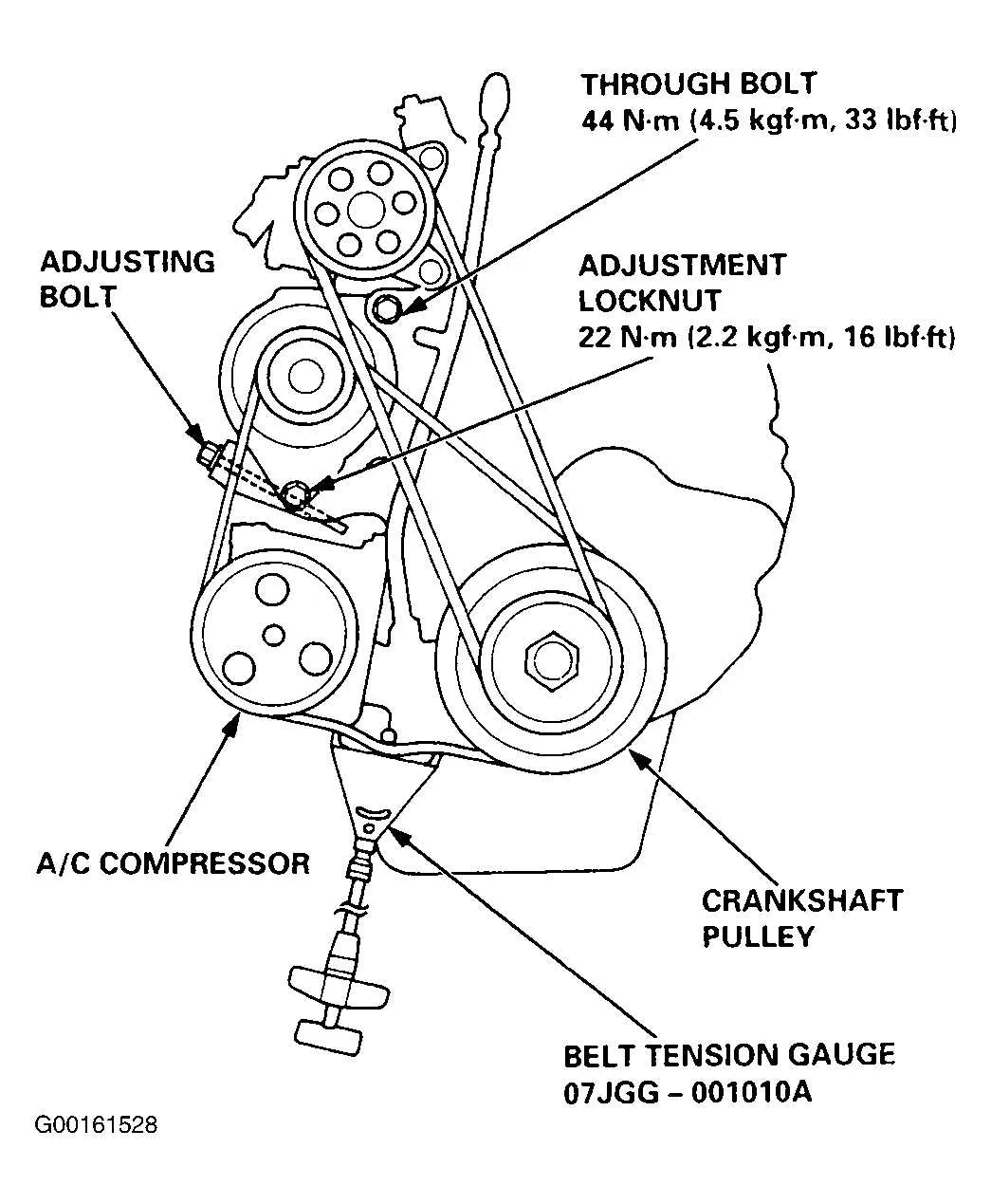
Check the serpentine belt for visible wear or fraying along the edges. Misalignment often causes uneven wear patterns, so inspect each pulley carefully for grooves or damage that could deflect the belt.
Use a straight edge or alignment tool across the pulleys to confirm proper alignment. Even a small deviation of 1–2 mm can cause belt noise or premature failure.
Measure belt tension using a calibrated tension gauge. For the 2008 Honda Odyssey, the recommended deflection is typically around 10–12 mm under moderate thumb pressure. If tension is too low, the belt may slip; if too high, it can stress bearings and reduce lifespan.
Inspect the tensioner pulley for smooth operation. Apply slight pressure and observe movement; it should rotate without wobbling or resistance. Replace tensioners showing stiffness, noise, or visible wear.
Ensure accessory pulleys spin freely. Blocked or seized pulleys can disrupt belt alignment and increase strain. Replace any pulley that does not rotate smoothly or exhibits lateral movement.
After adjustments or replacements, run the engine at idle and observe the belt. Listen for squealing or vibration, which can indicate residual alignment or tension issues. Recheck measurements and make small incremental corrections if necessary.
Maintain a log of belt replacement dates and tension checks. Regular monitoring helps detect alignment drift early and prevents unexpected failures.