Pontiac G8 GT belt diagram with pulley layout and routing details
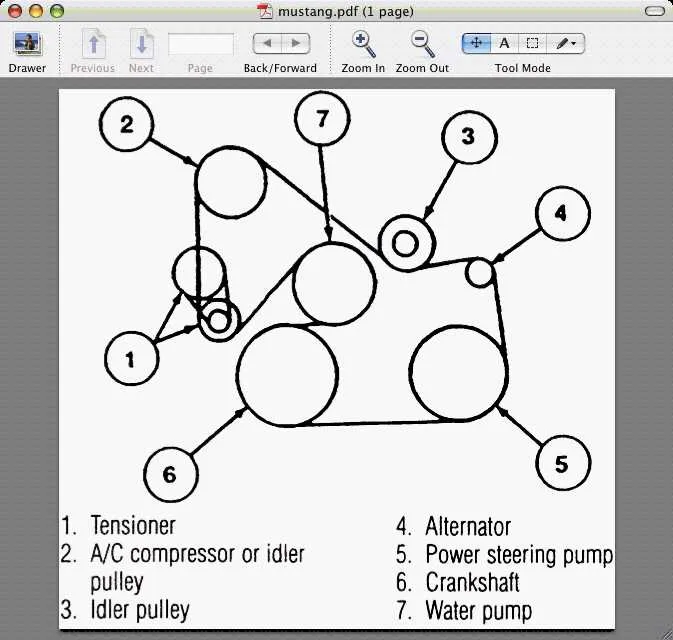
Check the routing of the serpentine belt on the G8 GT before loosening the tensioner. A clear diagram avoids mistakes when reinstalling and keeps accessories aligned correctly. The belt drives the alternator, water pump, power steering pump, and air conditioning compressor, so proper installation prevents failures.
Use a 15mm wrench or breaker bar to rotate the tensioner clockwise and release pressure. Slip the old belt off, paying attention to how it loops around each pulley. If the belt shows cracks, fraying, or glazing, replacement is the best option to avoid noise and loss of function.
Fit the new belt according to the routing diagram, keeping ribs seated inside pulley grooves. Hold tension while sliding the belt over the last pulley, usually the alternator. After release, check alignment across all pulleys and ensure the tensioner holds the belt firmly without slack.
Run the engine for a few minutes and listen for squealing or vibration. Shut it down and inspect alignment again. A proper belt installation on the G8 GT improves accessory performance and reduces the chance of breakdowns on the road.
G8 GT Belt Diagram
Check the routing path on the G8 GT belt diagram before loosening any component. The diagram shows the belt passing around the crankshaft pulley, alternator, power steering pump, water pump, A/C compressor, and tensioner. Each pulley must align precisely to avoid slippage or premature wear.
Release tension by rotating the tensioner with a breaker bar or ratchet, then slide the belt off the pulleys. Keep the diagram in view to confirm the exact order when reinstalling. Place the belt first on the lower crankshaft pulley, then follow the path through the accessory pulleys, leaving the tensioner for last.
After routing, apply pressure to the tensioner and seat the belt fully into each groove. Double-check alignment against the diagram before starting the engine. Misrouting can affect alternator charging, steering performance, or cooling efficiency. A quick visual inspection after installation prevents costly damage.
Locating the Serpentine Belt and Pulley Layout on the G8 GT
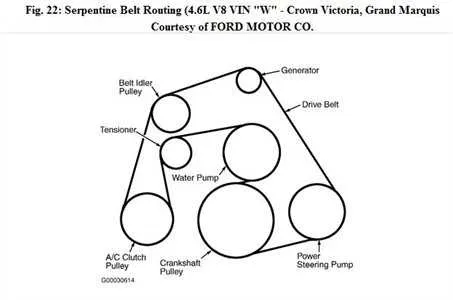
Check the front of the engine bay on the passenger side to find the serpentine belt. It runs across several pulleys including the crankshaft pulley at the bottom, the alternator pulley on the upper side, the power steering pump to the driver’s side, and the A/C compressor positioned low toward the passenger side.
Use the diagram under the hood near the radiator shroud as a quick reference for routing. If it is missing, trace the belt path manually: begin at the crankshaft pulley, follow the belt upward to the water pump, across to the alternator, then around the idler and tensioner pulleys before reaching the A/C compressor and power steering pump.
Inspect each pulley for smooth alignment and check the automatic tensioner on the passenger side for proper spring action. A worn tensioner or misaligned pulley often causes belt squeal and uneven wear. Keep a 15mm socket or wrench handy to rotate the tensioner clockwise, which releases belt tension during replacement.
Step Guide to Removing and Replacing the G8 GT Serpentine Belt
Disconnect the negative battery cable before touching the belt system. This prevents accidental starts and keeps the process safe.
Locate the belt tensioner on the passenger side of the engine. Use a 15mm socket and a long-handled ratchet or breaker bar to rotate the tensioner clockwise. This action relieves pressure on the belt.
Slide the belt off the alternator pulley first while keeping the tensioner compressed. Slowly release the tensioner back to its resting position.
Pull the old belt away from the remaining pulleys, checking each pulley surface for cracks, debris, or uneven wear. Spin the idler pulley by hand to confirm smooth movement without grinding or wobbling.
Route the new serpentine belt according to the factory diagram: crankshaft to power steering pump, then over the idler, around the alternator, under the tensioner, and finally back to the AC compressor. Ensure each ribbed section aligns properly with the pulley grooves.
Rotate the tensioner clockwise again, slide the belt over the last pulley, then slowly release the tensioner to apply pressure. Inspect the belt across all pulleys to confirm correct alignment and full seating.
Reconnect the negative battery cable and start the engine. Observe the belt movement for stable tracking without vibration or noise.
Troubleshooting Common Alignment and Tension Issues in the G8 GT Belt System
Check belt tracking on every pulley before running the engine. A belt riding off-center usually signals a misaligned pulley or worn bearing.
- Inspect the idler and tensioner pulleys with a straightedge. Replace any pulley that sits out of line by more than 1/16 inch.
- Spin each pulley by hand. A grinding noise or wobble indicates bearing wear that can shift belt alignment.
Measure belt tension using a gauge. On the G8 GT, the serpentine belt should deflect about 1/4 inch with moderate thumb pressure between pulleys. Excess slack shortens accessory life, while over-tension stresses the crankshaft and alternator bearings.
- Release the automatic tensioner and check spring movement. A weak or seized spring requires replacement.
- Confirm that the tensioner pulley face is not grooved or warped. Uneven surfaces force the belt sideways during operation.
Replace the belt if cracks, fraying, or glazing appear. A worn belt often slips, giving the impression of a tension problem when the real issue is surface wear.