2008 Kia Sorento Belt Diagram with Pulley Routing and Replacement Guide
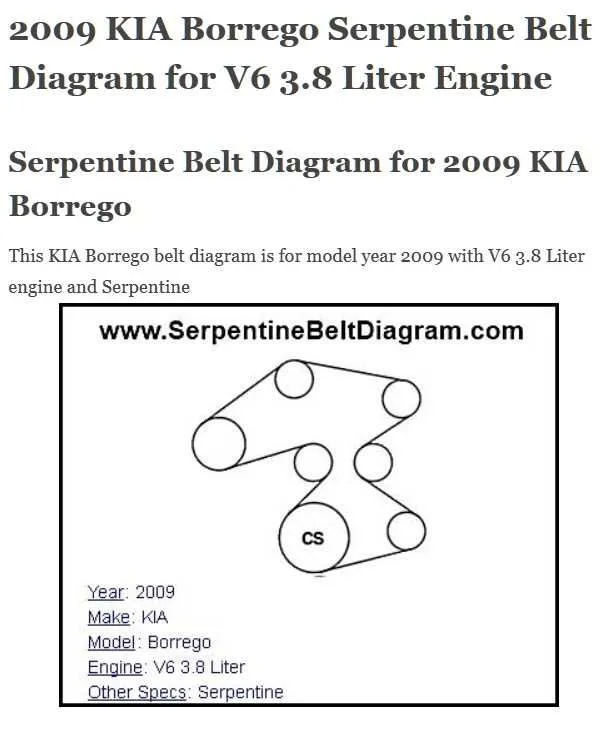
Check the serpentine belt on the 2008 Kia Sorento every 60,000 miles or sooner if you notice squealing, cracks, or fraying. A worn belt can affect the alternator, power steering pump, and air conditioning system. Replace it immediately if you see glazing or missing ribs to avoid sudden failures on the road.
The 2008 Sorento uses a serpentine belt routed around several pulleys, including the crankshaft pulley, alternator, idler pulley, tensioner, power steering pump, and A/C compressor. The diagram shows the exact path, which prevents mistakes during installation. Incorrect routing may cause the belt to slip or damage components.
Always release tension with a wrench on the automatic tensioner before removing the belt. When installing the new one, follow the diagram carefully and ensure the ribs sit fully in the pulley grooves. Rotate the crankshaft by hand after installation to confirm smooth alignment before starting the engine.
2008 Kia Sorento Belt Diagram
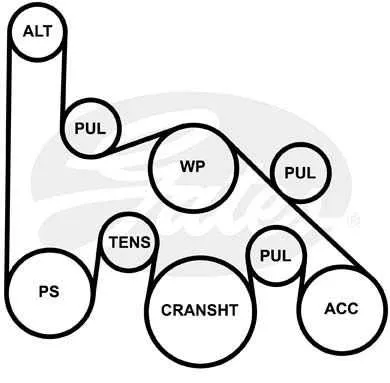
Check the belt routing diagram under the hood before removing or installing a new belt, as it shows the exact path around each pulley. If the sticker is missing, use the layout specific to the 2008 Kia Sorento engine type: the 3.3L and 3.8L V6 configurations have slightly different pulley arrangements.
On the 3.3L V6, the serpentine belt runs around the alternator, power steering pump, air conditioning compressor, crankshaft pulley, and tensioner. The 3.8L V6 follows a similar path but has a different orientation between the idler and power steering pulleys. Following the correct sequence prevents misalignment and premature wear.
When installing, route the belt over the top pulleys first, then position it around the crankshaft pulley, leaving the tensioner for last. Use a breaker bar on the tensioner to relieve pressure, slide the belt into place, and ensure all ribs sit correctly in the pulley grooves. After installation, visually inspect the alignment from multiple angles before starting the engine.
2008 Kia Sorento Serpentine Belt Routing and Component Layout
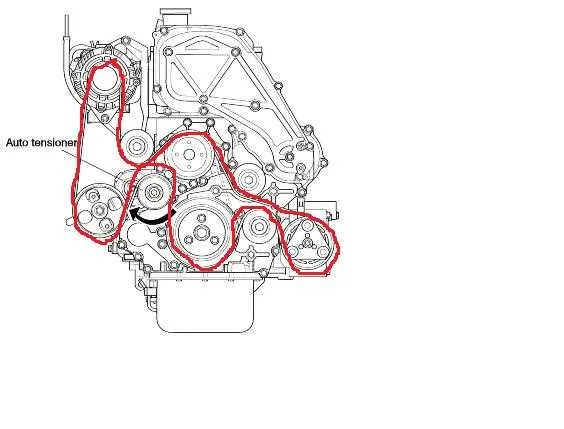
Follow the factory routing diagram to place the serpentine belt correctly: the belt wraps around the crankshaft pulley first, then continues to the A/C compressor, alternator, power steering pump, and idler pulleys before finishing at the tensioner. This path keeps all driven components aligned and reduces the risk of slippage.
Check that the automatic belt tensioner applies proper pressure once the belt is seated. If the tensioner arm sits off-center or cannot maintain spring pressure, replace it immediately to prevent noise and premature wear. A weak tensioner often causes squealing and accessory malfunction.
Inspect each pulley while routing. Spin the idler and tensioner pulleys by hand to detect rough bearings or wobble. Any resistance or noise signals the need for replacement. Smooth pulley operation extends belt life and prevents uneven wear across the ribbed surface.
Confirm that the ribbed side of the belt sits flush in grooved pulleys such as the crankshaft, alternator, and power steering pump, while the flat side contacts smooth pulleys like the tensioner and idler. Misalignment of even one rib can shred the belt quickly under load.
After installation, run the engine for a few minutes and observe belt tracking. The belt should remain centered without wandering across pulley edges. If tracking issues appear, recheck routing and pulley alignment before driving.
Steps for Removing and Replacing the Serpentine Belt
Release belt tension by rotating the tensioner pulley with a breaker bar or ratchet. Turn it clockwise to create slack and carefully slide the belt off the pulleys.
Note the routing of the old belt or refer to the diagram under the hood. This reference prevents misalignment during reinstallation.
Remove the belt completely from all pulleys, checking for wear on each pulley surface before installing the new belt.
Position the new belt around the crankshaft pulley first, then route it around the alternator, power steering pump, and air conditioning compressor as indicated in the diagram. Keep the grooves seated properly on each pulley.
Rotate the tensioner pulley again to allow the belt to slip into place on the final pulley. Release the tensioner slowly, making sure the belt stays aligned in all grooves.
Inspect the entire belt path to confirm correct routing and alignment. Start the engine briefly and observe the belt running smoothly without noise or misalignment.
Typical Alignment and Tension Problems and How to Fix Them
Check the belt for uneven wear on one edge, as this often signals misaligned pulleys. Adjust the pulley brackets or replace worn bearings to correct the angle and keep the belt tracking properly.
If you hear squealing during startup or acceleration, the tension may be too loose. Use a tension gauge to confirm the reading. For the 2008 Kia Sorento, aim for 140–160 lbs on new belts and 110–130 lbs on used belts. Adjust the tensioner until the correct range is reached.
Inspect the automatic tensioner for weak spring action. If the arm moves too freely or sticks, replace the tensioner assembly. This prevents slippage and uneven load distribution across the pulleys.
Common issues and quick fixes include:
- Belt slipping: Tighten with the tensioner or replace if the belt shows glazing.
- Excessive tension: Loosen the adjustment to avoid premature bearing wear.
- Pulley misalignment: Realign or replace bent pulleys to prevent edge fraying.
- Noise under load: Check accessory pulleys for wobble and replace faulty units.
After adjustments, rotate the crankshaft manually two full turns and recheck alignment and tension. This ensures the belt seats correctly on all grooves before restarting the engine.