Complete Ariens Ikon 52 Drive Belt Layout and Routing Guide for Accurate Maintenance
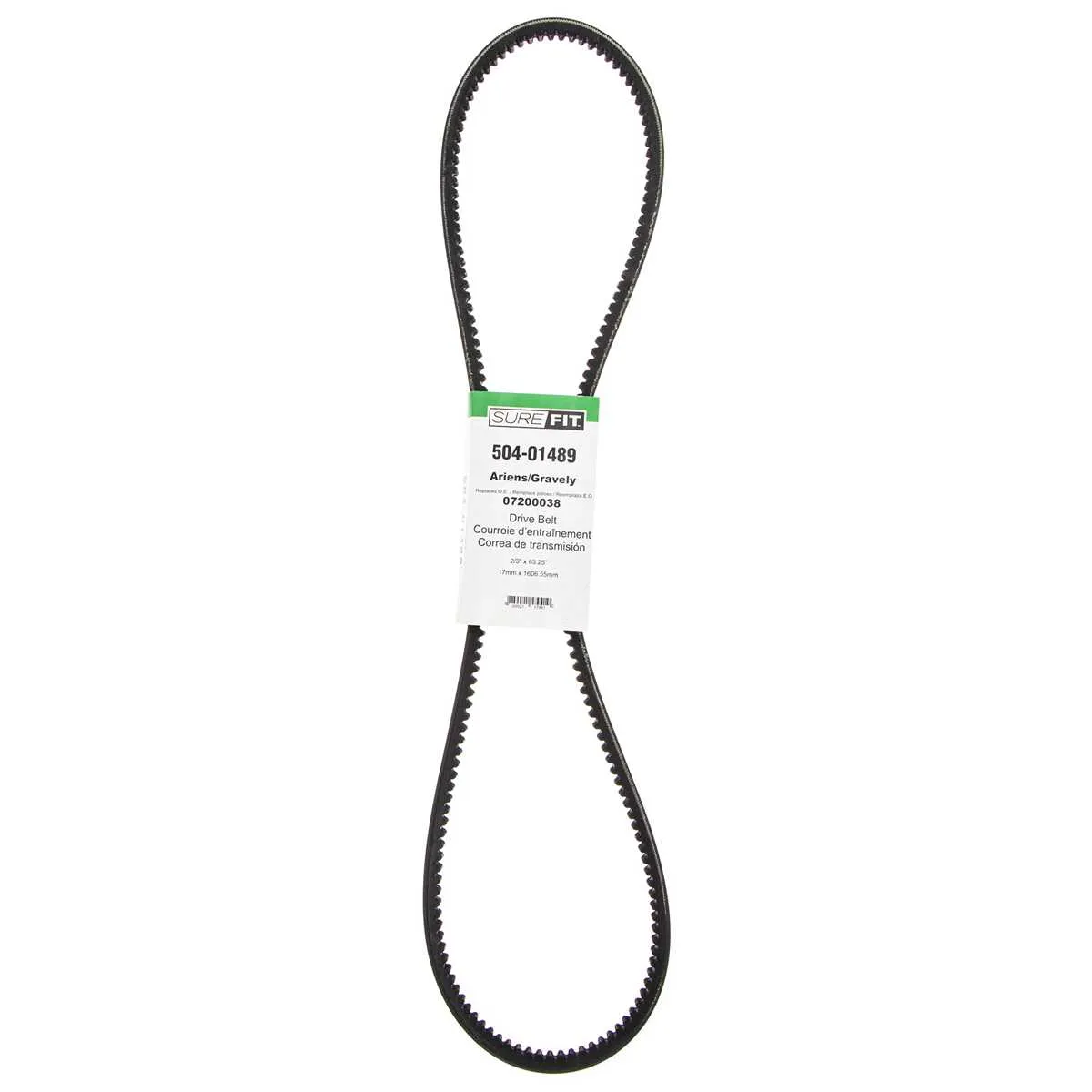
Replace the drive belt on your Ariens Ikon 52 by following the manufacturer’s belt routing diagram. The belt connects the engine pulley, deck pulleys, and transmission, ensuring smooth operation of the mower’s cutting deck and drive system. Identify the exact belt path to avoid misalignment and premature wear.
Consult the diagram before removing the old belt. Loosen the tensioner pulley and note the position of each belt loop around the pulleys. Align the belt so it seats fully in the pulley grooves, keeping the V-shaped sides facing inward toward the pulleys for optimal grip.
Double-check the routing around the deck idlers. Each idler pulley must spin freely without forcing the belt into an incorrect angle. Correct positioning prevents slipping, reduces strain on the engine, and maintains consistent blade speed across the entire deck width.
Test the installation by slowly engaging the drive system while the mower is lifted safely off the ground. Listen for abnormal noises or resistance. Adjust the tension if the belt rides too loose or tight, referencing the diagram for proper alignment at every step.
Store the diagram in your tool kit for future maintenance. Familiarity with the exact belt configuration minimizes downtime and ensures that belt replacements are quick, precise, and secure, preserving the mower’s performance season after season.
Ariens Ikon 52 Drive Belt Diagram
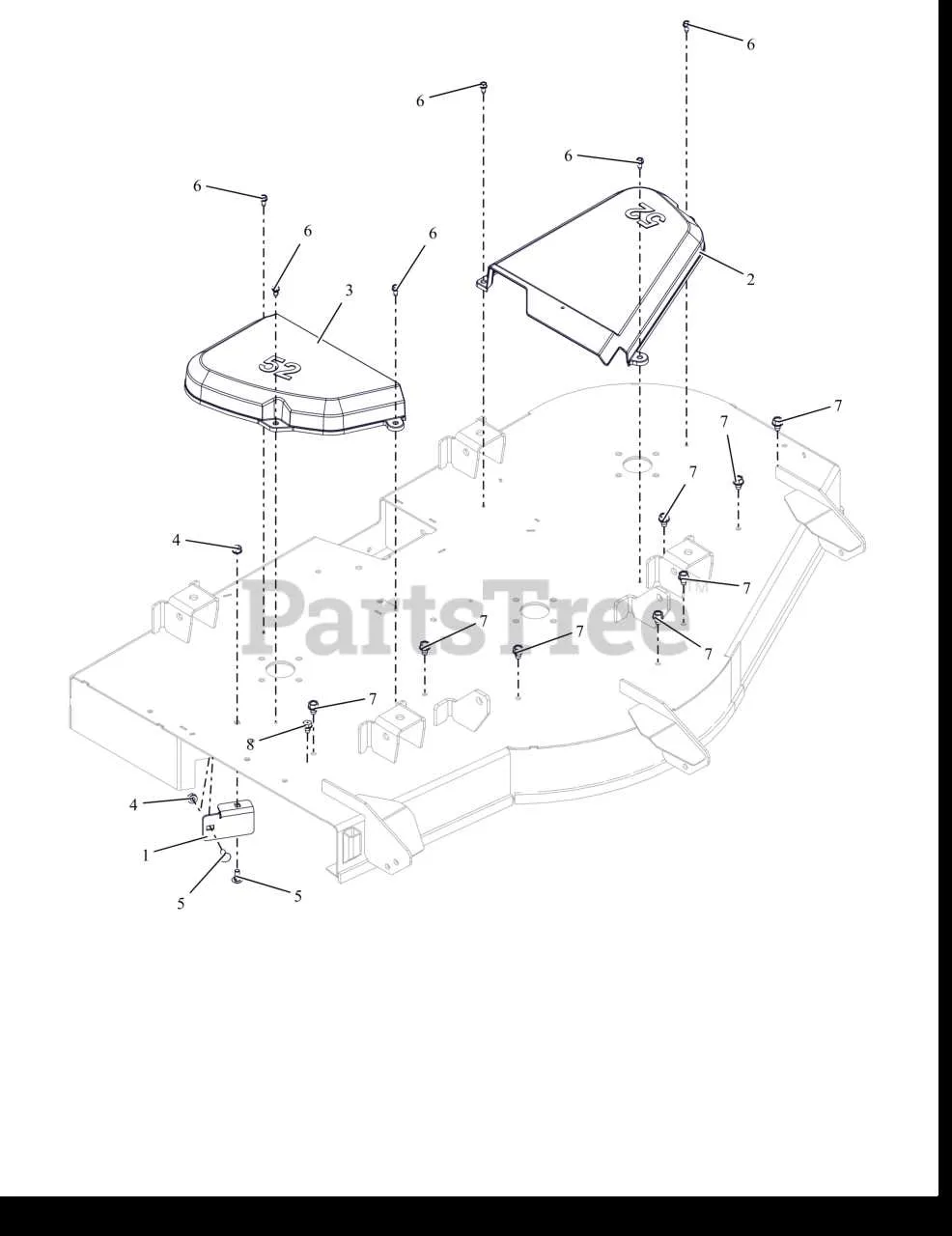
Place the drive belt around the engine pulley first, ensuring the ribbed side aligns with the grooves. Route the belt through the idler pulley, keeping tension consistent, and then loop it around the transmission pulley. Check that the belt sits evenly in all pulley grooves to prevent slipping or premature wear.
Use the belt diagram printed in the operator’s manual as a reference for the exact routing path. The idler spring must remain fully extended to maintain proper tension; adjust the idler arm if the belt feels loose. Avoid twisting the belt during installation, as this can damage the fibers and shorten its lifespan.
Inspect the pulleys for debris or worn edges before placing the belt. A clean, smooth pulley surface ensures smooth rotation and reduces noise. Replace any pulleys showing cracks, rust, or excessive wear to maintain optimal belt performance.
After routing, manually rotate the mower deck to verify the belt tracks correctly on all pulleys. Listen for unusual noises and confirm the belt does not rub against the mower frame. Correct alignment prevents slipping and extends the belt’s service life.
Regularly check the belt for fraying, cracks, or glazing. Replace the drive belt if any of these signs appear, as continuing to use a compromised belt can damage the transmission or engine pulley.
Identifying the Correct Drive Belt for Ariens Ikon 52
Use the Ariens 53204600 drive belt for the Ikon 52 model with hydrostatic drive. This belt measures 1/2 inch in width and 93 inches in circumference, designed specifically for seamless engagement with the mower’s pulleys.
Check your mower’s manual or the existing belt for these markers:
- Part number stamped on the belt: 53204600.
- Width: 1/2 inch.
- Length: 93 inches (looped circumference).
- V-type rib pattern to match pulleys.
Inspect pulleys for wear or damage before installation. Using the correct belt prevents slippage, extends the life of the hydrostatic system, and ensures consistent cutting performance.
If replacing multiple belts, identify each with its position:
- Primary deck belt: 53204600.
- Secondary idler belt (if equipped): check part number 53203400.
Purchase genuine Ariens replacement belts or OEM-approved alternatives to maintain proper tension and alignment. Avoid generic belts with similar dimensions, as they may not handle the mower’s load or pulley spacing.
After installation, route the belt following the diagram in the operator’s manual, looping it around the mandrel pulleys, idlers, and hydro drive as shown. Proper routing reduces wear and prevents premature failure.
Step-by-Step Drive Belt Routing Diagram
Place the Ariens Ikon 52 mower on a flat surface and engage the parking brake before handling the belt. Start by looping the belt around the engine pulley, ensuring the ribbed side aligns with the pulley grooves.
Guide the belt down to the idler pulley on the deck. Pull the idler arm outward to create tension and slip the belt over the idler pulley. Verify the belt sits squarely without twisting.
Route the belt around the mandrel pulleys that drive the mower blades. Make sure the belt contacts the pulleys fully, following the path indicated on the underside of the deck. Cross-check each pulley to confirm the belt moves smoothly without binding.
Continue the belt toward the transaxle pulley. Loop it under the tensioner, allowing the spring mechanism to maintain proper tension. Ensure the belt runs straight along the frame edges to prevent rubbing or premature wear.
After completing the loop, rotate the engine pulley manually to check for correct alignment. Adjust the belt on any pulley that shows signs of slipping or misalignment. Finish by lowering the deck and testing the drive system at low speed to confirm smooth operation.
Common Drive Belt Issues and Quick Visual Checks
Inspect the drive belt for cracks along the ribbed surface and edges. Small hairline cracks indicate wear and can expand quickly under load. Replace the belt if any cracking appears, as weakened sections may snap during operation.
Check for fraying or separation at the belt edges. Frayed edges suggest misalignment of pulleys or excessive tension. Adjust pulley alignment or tension before the belt sustains further damage.
Look for glazing, a shiny or slick appearance on the belt ribs. Glazing reduces grip and can cause slipping, affecting cutting performance. Clean pulleys and replace the belt if glazing is extensive.
Examine for missing chunks or deep gouges in the belt. These areas compromise strength and can lead to sudden failure. Any significant material loss requires immediate replacement to prevent damage to the mower.
Ensure the belt maintains proper tension. Press the belt midway between pulleys; it should deflect about half an inch under moderate pressure. Excessive slack or tightness increases wear and risks belt jumping off the pulleys.
Inspect pulley surfaces for dirt, grease, or rust. Contaminated pulleys accelerate belt wear and may cause squealing or slipping. Clean pulleys with a dry cloth or mild solvent before reinstalling the belt.
Check belt tracking on each pulley during rotation. The belt should remain centered and follow the groove consistently. Misaligned tracking can wear the belt unevenly and damage pulleys over time.