Zero Turn Mower Belt Diagram and Maintenance Guide
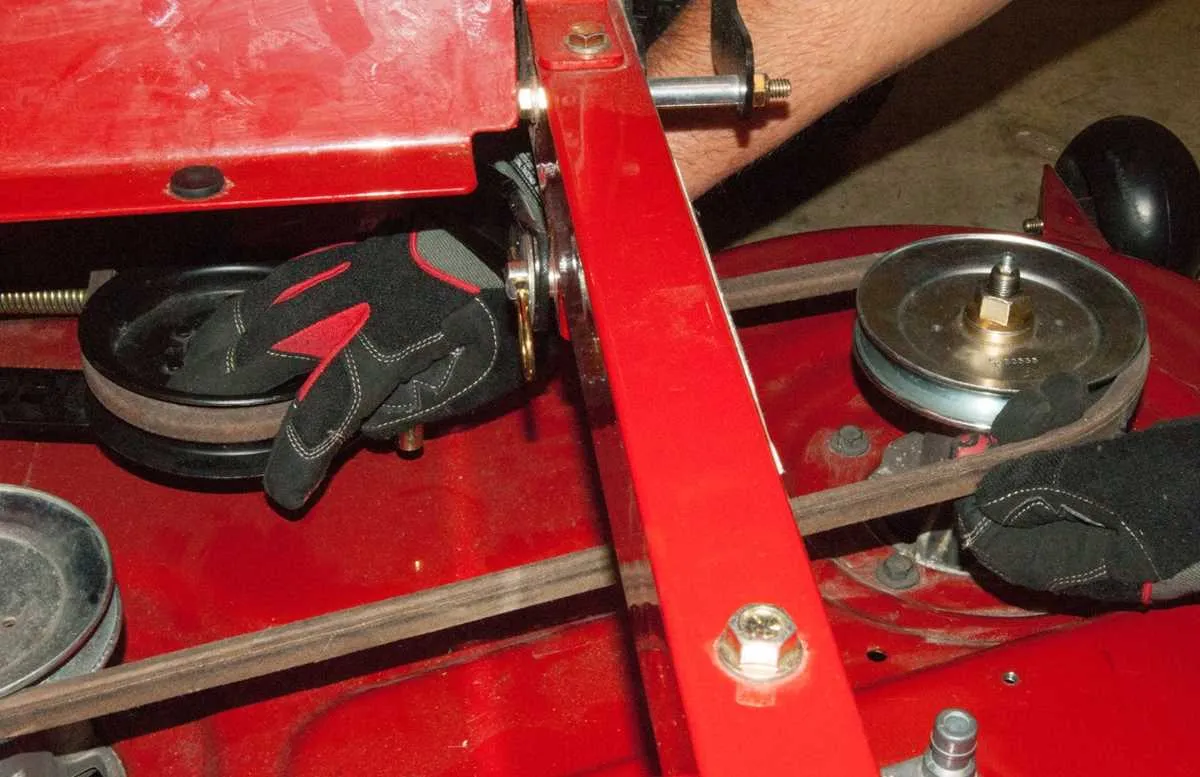
If your zero turn mower isn’t running as smoothly as it should, a faulty belt might be the issue. A clear and accurate belt diagram will help you diagnose the problem, identify which belt needs attention, and ensure proper installation. By following the belt layout specific to your mower model, you can save time and prevent unnecessary repairs.
The belt system in a zero turn mower powers essential components like the blades, steering, and transmission. A precise diagram helps you track each belt’s path and avoid confusion when making repairs or replacements. If you’re unsure where to start, look for the tensioner and idler pulleys–they are key in keeping the belts in the correct position and under the right tension.
When inspecting the belt diagram, check for wear and tear, cracks, or loose tension. Ensure that each pulley spins freely and that the belt aligns correctly with each one. If you’re replacing a belt, make sure it’s the correct length and thickness to prevent premature damage or slipping.
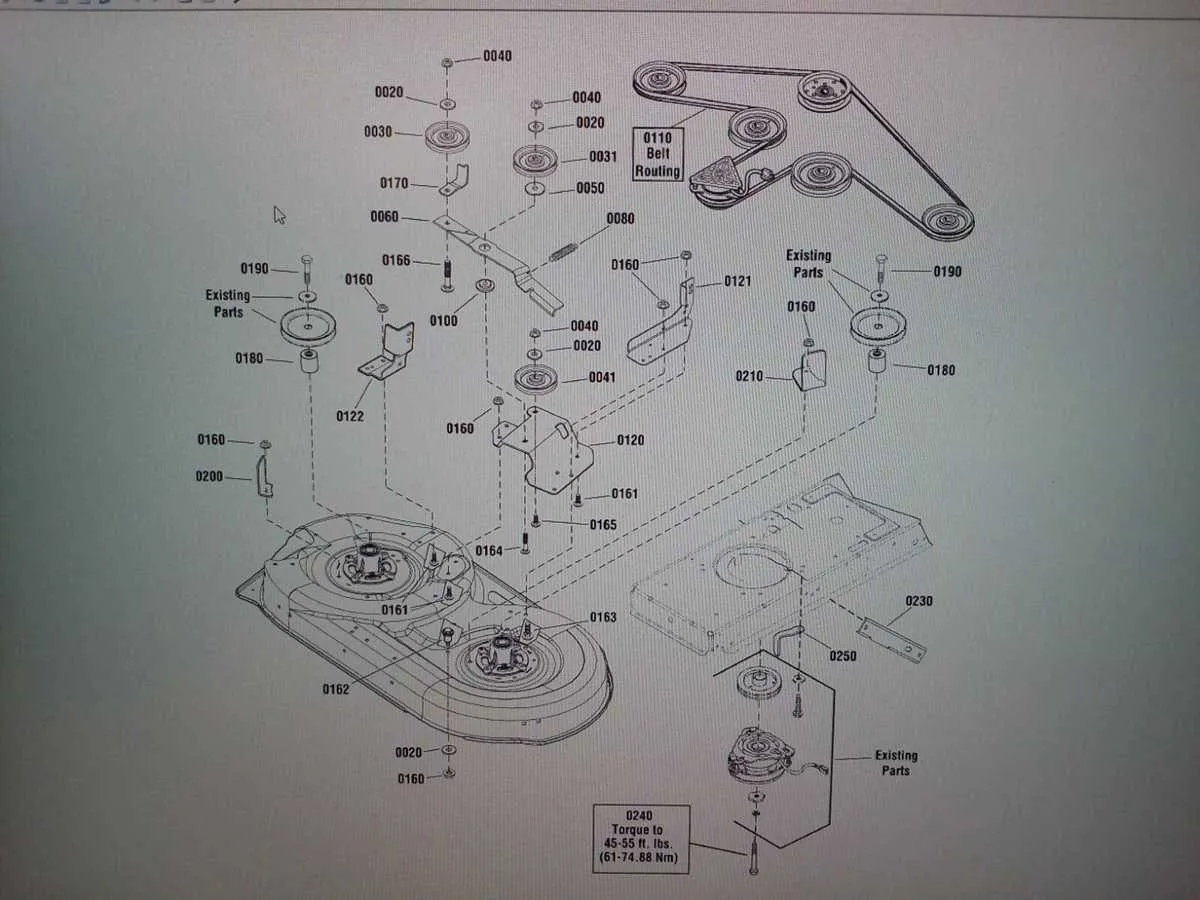
Zero Turn Mower Belt Diagram
The correct belt routing is crucial for maintaining optimal performance in your zero-turn mower. Follow this step-by-step guide to ensure the belts are installed properly:
1. Start with the engine pulley. Place the belt over the engine pulley, ensuring it runs smoothly without any twists. This is the primary driving point for the entire belt system.
2. Route the belt through the tensioner pulleys. The tensioner pulleys maintain the proper tension in the belt system. These should be aligned with the belt in such a way that the tensioner keeps the belt snug but not overly tight.
3. Position the belt around the deck pulleys. The deck pulleys are responsible for powering the mower blades. Ensure the belt passes correctly around each of these pulleys, following the diagram to avoid slipping or misalignment.
4. Check for any obstructions or wear. Before completing the installation, inspect the belt for any signs of damage or wear. A worn-out belt can reduce performance and cause further damage to your mower.
5. Adjust the belt tension. Once the belt is routed correctly, adjust the tensioner to ensure the belt is tight enough to function efficiently but not overly tight, which can cause unnecessary wear.
6. Verify the entire system is aligned. Double-check that the belt is correctly aligned with all pulleys and that there is no slack or excess tension. A misaligned belt can lead to uneven blade rotation or premature wear.
By following this diagram and performing regular maintenance, you can ensure your zero-turn mower runs smoothly for years. Always refer to the manufacturer’s specific diagram for your model to avoid mistakes.
Understanding the Belt Layout for Zero Turn Mowers
Start by consulting the belt diagram specific to your zero turn mower model. This diagram will show the routing paths and help you identify how the belts interact with pulleys, spindles, and other moving parts.
The primary belt is responsible for driving the blades and usually runs from the engine pulley to the spindle pulleys. It’s important to check if the belt passes over or under any other components, as incorrect routing can cause premature wear.
- Identify the tensioner: The belt tensioner maintains proper tension, preventing slippage. Ensure it’s operating smoothly, as a worn-out tensioner can lead to belt damage.
- Check for twists: Make sure the belt isn’t twisted, as this can cause uneven wear and affect mower performance.
- Inspect pulleys: Pulleys should rotate freely without any resistance. Any irregularity can indicate an issue with the pulley bearings or misalignment.
Look for any signs of fraying, cracking, or glazing on the belt. These indicate the need for replacement. Pay close attention to how the belt interacts with the drive system and any potential friction points that could cause slippage or overheating.
Following the diagram precisely during installation will ensure the belt is properly aligned, contributing to longer-lasting components and optimal mower operation.
Step-by-Step Guide to Replacing the Belts on Your Zero Turn Mower
Start by disconnecting the battery. This ensures safety while working with moving parts. Next, raise the mower using a jack or lift to access the belts and pulleys. Make sure the mower is stable before proceeding.
Locate the belt tensioner and release the tension by loosening the bolt. This will allow you to remove the belt more easily. Take note of how the belt is positioned on the pulleys, as you’ll need to install the new one in the same configuration.
Remove the old belt carefully, ensuring you don’t damage any components. You might need to move some parts aside for better access. Once the old belt is off, check the pulleys and idlers for any wear or damage. It’s a good time to replace any faulty parts before installing the new belt.
Install the new belt, following the same path as the old one. Begin by looping it around the larger pulleys and then move to the smaller ones. Be sure the belt sits correctly in the grooves to avoid slippage.
After the new belt is in place, adjust the tensioner back into position. Tighten the bolt on the tensioner to ensure the belt is tight enough. You don’t want it too loose, but also not overly tight, as it can cause premature wear.
Once everything is in place, lower the mower and reconnect the battery. Start the mower and observe the belt in motion to ensure it runs smoothly. If you hear any unusual sounds or notice slippage, double-check the installation for any mistakes.
Common Belt Issues and How to Identify Them on Zero Turn Mowers
If your zero turn mower isn’t performing as it should, the belt could be the culprit. A worn or misaligned belt can cause a range of issues, from uneven mowing to complete operational failure. Here are the most common belt problems and how to spot them.
1. Slipping Belt
A slipping belt often leads to poor performance, such as the mower blades failing to spin properly or not engaging at all. Look for visible wear on the belt or if the belt is too loose. If the belt is slipping off the pulleys, check for any signs of damage or missing tension. Tightening the tension or replacing a worn belt should solve the issue.
2. Frayed or Damaged Belt
Fraying along the edges of the belt is a clear sign it’s reaching the end of its life. This could be caused by misaligned pulleys or excessive rubbing against other components. Inspect the belt closely for any splits, tears, or pieces that are coming loose. Replace the belt before it completely breaks, which could damage other parts of the mower.
3. Noisy Operation
If you hear unusual squealing or squeaking noises, the belt might be out of alignment or overly tight. This can cause excessive friction, leading to heat buildup and further wear. Check the alignment of the pulleys and adjust the belt tension. If the problem persists, consider replacing the belt.
4. Worn Pulley
Worn-out pulleys can cause a belt to slip or wear unevenly. Examine the pulleys for signs of grooves, cracks, or rust. If a pulley is worn, it can cause the belt to sit incorrectly, leading to additional damage. Replace any faulty pulleys to prevent further issues with the belt.
5. Overheated Belt
Excessive heat is a major factor in belt wear. If the belt becomes too hot, it can stretch or break. Ensure proper airflow around the mower and that the engine is running at an optimal temperature. Regularly inspect the belt for signs of discoloration or melting, which are indications of overheating.
6. Misaligned Belt Path
If the belt is not properly aligned on the pulleys, it can lead to a host of problems, including uneven cutting and premature wear. Check the routing diagram and ensure the belt is properly positioned on each pulley. Misalignment can often be fixed by adjusting the pulleys or replacing damaged components.