Diesel 6.4 Powerstroke belt diagram with routing details for correct installation
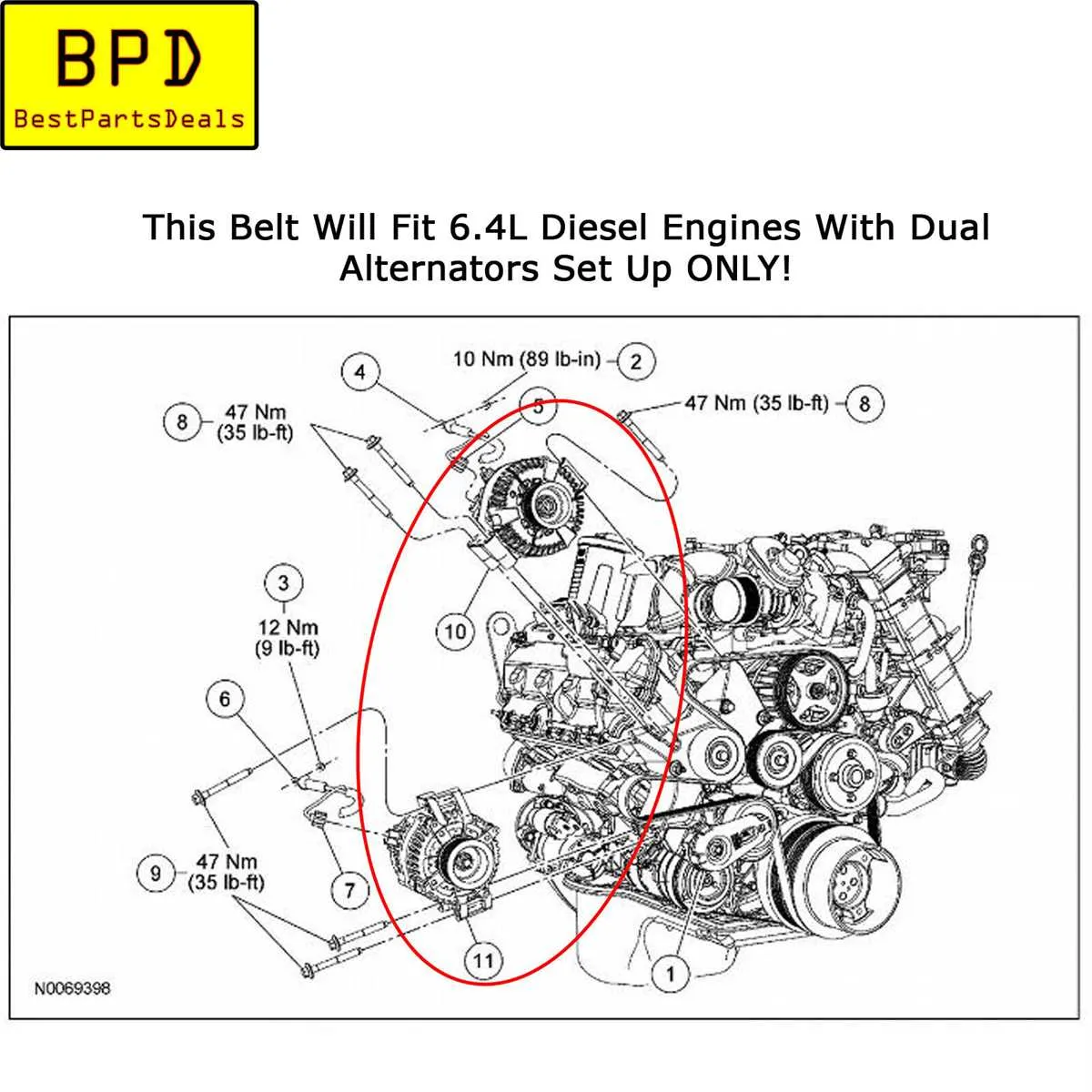
Check the belt routing before removing the serpentine belt on a 6.4 Powerstroke. A clear diagram prevents misalignment and saves time during reinstallation. The belt connects the alternator, power steering pump, A/C compressor, and other accessories, so accuracy matters.
The 6.4 Powerstroke uses a single serpentine belt with a spring-loaded tensioner. To release it, apply pressure with a breaker bar or ratchet on the tensioner arm. Once loose, slide the belt off one of the pulleys and follow the diagram to track each connection point.
When installing a new belt, position it around the crankshaft pulley first, then route it around the accessory pulleys as shown in the diagram. Leave the tensioner pulley for last to make the process smoother. Always double-check alignment on every groove before starting the engine.
Keeping a printed diagram or marking pulley positions with chalk before removal can help avoid mistakes. This simple step ensures proper function of all driven components and reduces the chance of premature wear or squealing belts.
Diesel 6.4 Powerstroke Belt Diagram
Check the routing on the 6.4 Powerstroke by starting at the crankshaft pulley, then move upward to the A/C compressor, across the tensioner, around the alternator, and finally over the idler pulleys before returning to the crankshaft. This pattern keeps the serpentine belt aligned with all driven accessories.
Replace the belt if you notice cracks, glazing, or fraying, since these signs indicate slipping or weakened tension. Always confirm the belt length matches factory specifications, usually 96.5 inches for the common single alternator setup. Trucks with dual alternators require a longer belt, around 101 inches.
Use a breaker bar on the tensioner to relieve pressure when installing the belt. Ensure the ribbed side fits snugly into the grooves of each pulley, and the smooth pulleys align with the flat side of the belt. After installation, rotate the engine by hand one full turn to verify proper seating.
For easier service, keep a printed diagram or label under the hood. This reduces guesswork during roadside repairs and helps avoid misrouting, which can lead to charging issues or overheating.
Belt Routing Layout for 6.4 Powerstroke Diesel
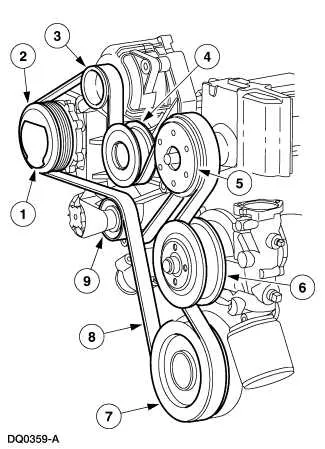
Follow the belt routing exactly to avoid misalignment and premature wear. The 6.4 Powerstroke uses a serpentine belt that runs across multiple pulleys, and correct placement ensures proper accessory function.
- The belt leaves the crankshaft pulley and wraps around the A/C compressor.
- From the A/C compressor, it travels to the idler pulley located on the passenger side.
- Next, the belt passes under the alternator pulley and continues toward the power steering pump.
- After the power steering pump, it routes over the water pump pulley at the center of the system.
- The belt then goes under the tensioner pulley, which keeps the belt tight.
- Finally, it returns to the crankshaft pulley, completing the loop.
Check pulley alignment before tightening the tensioner. A straight routing path prevents squealing, slipping, or damage to accessories. Keep a printed diagram near the engine bay for quick reference during replacements or inspections.
Step-by-Step Guide to Serpentine Belt Replacement
Disconnect the negative battery cable to prevent accidental starts during the replacement process.
Use a serpentine belt tool or a ½-inch drive breaker bar to rotate the tensioner clockwise, releasing pressure from the belt.
Slide the old belt off the pulleys, noting the exact routing or referencing a diagram specific to the 6.4 Powerstroke.
Inspect all pulleys for wear, cracks, or misalignment before installing the new belt. Replace any damaged components to avoid premature belt failure.
Route the new belt according to the diagram, ensuring it seats fully in every pulley groove without twisting.
Rotate the tensioner again, slip the belt over the final pulley, and slowly release the tensioner to apply proper tension.
Check alignment across all pulleys by sighting along the belt. Misalignment can cause squealing or rapid wear.
Reconnect the negative battery cable and start the engine. Observe the belt while the engine runs to confirm smooth tracking and proper tension.
Common Issues and Troubleshooting After Belt Installation
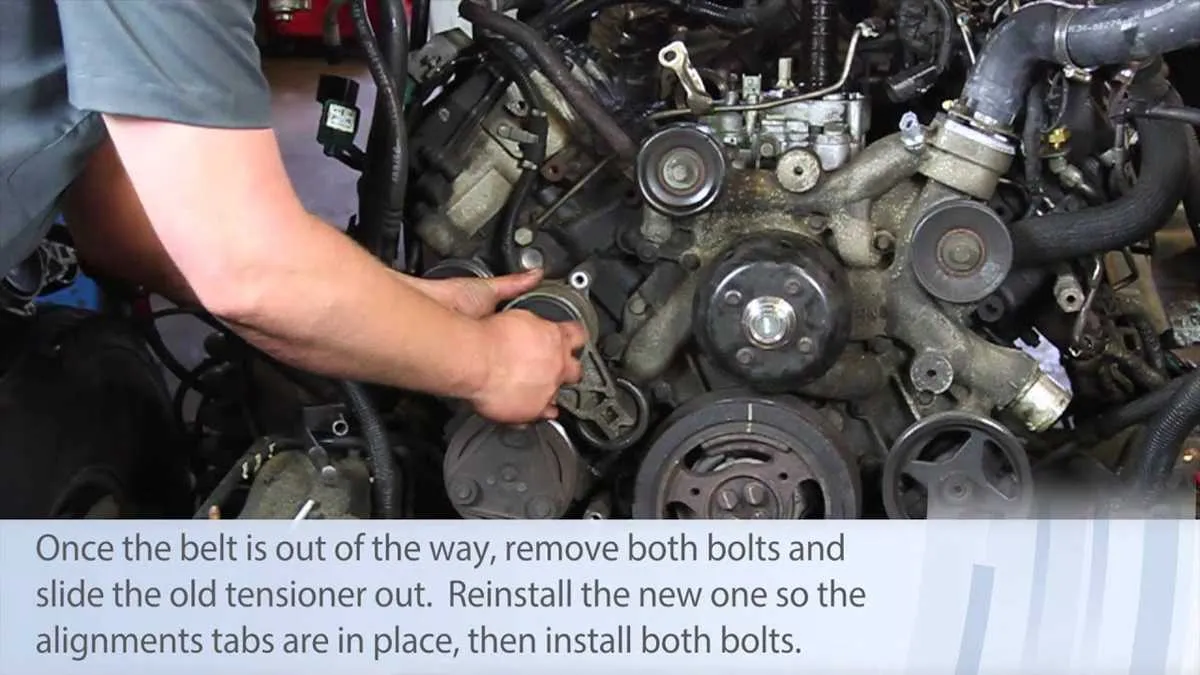
Check belt tension immediately after installation. A belt that feels loose often causes squealing on startup, while one that is too tight can strain the alternator, power steering pump, or idler pulleys. Use a tension gauge if available to match factory specifications.
If you hear persistent noise, inspect pulley alignment with a straight edge. Misalignment as small as a few millimeters leads to premature wear and edge fraying. Correct by re-seating the tensioner or replacing a warped pulley.
Overheating after replacement usually points to improper routing around the water pump. Verify that the belt follows the diagram exactly, as reversing the path prevents coolant circulation. Double-check routing before assuming a component failure.
Should charging issues appear, inspect the alternator pulley for free movement. A belt slipping under load prevents the alternator from maintaining voltage. Light glazing on the belt surface indicates slippage and calls for re-tensioning or replacement.
Persistent vibration signals a failing tensioner or worn idler bearing. Spin each pulley by hand; rough movement or grinding noises confirm the need for replacement. Addressing these points early prevents further accessory damage.