Step by Step Guide for Replacing the Drive Belt on a Zero Turn Snapper Riding Mower
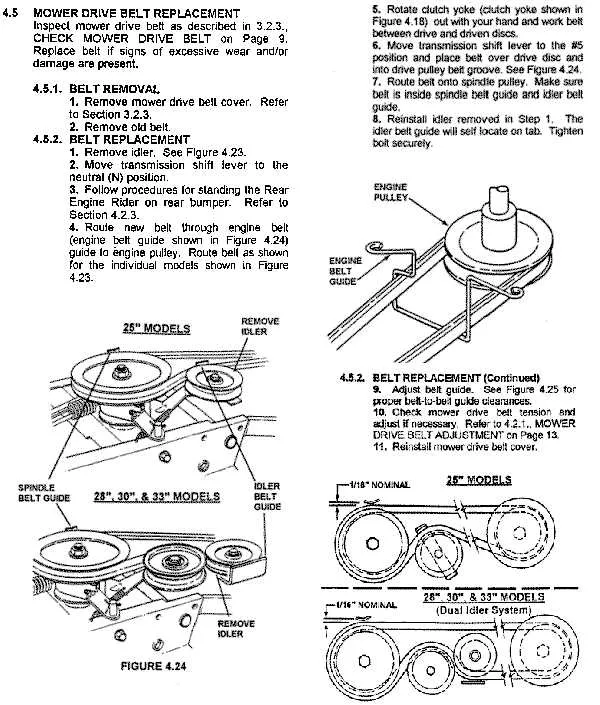
Replacing the drive belt on your Zero Turn Snapper riding mower is a straightforward process when you have a clear diagram to guide you. This visual reference will help you identify the correct belt routing, ensuring your mower runs smoothly and efficiently after the repair. Start by disconnecting the spark plug to prevent any accidental starts while working on the mower. You’ll need a few basic tools: a wrench set, a socket, and a screwdriver.
The drive belt connects the engine to the wheels, and it’s important to ensure it is routed correctly. A misaligned or incorrectly installed belt can cause significant issues, including reduced power transfer and premature wear. Consult the diagram closely, paying attention to the precise positioning of each part of the belt around pulleys, tensioners, and other components. Replace any worn or damaged parts as you go to avoid future breakdowns.
Once you’ve removed the old belt, it’s time to install the new one. Follow the diagram step-by-step, taking care to position the belt exactly as shown. Tighten any necessary bolts and adjust the tensioners to ensure proper belt tension. A correctly installed drive belt will improve mower performance, making it easier to maneuver and control.
Zero Turn Snapper Riding Mower Drive Belt Replacement Guide
To replace the drive belt on your Zero Turn Snapper Riding Mower, follow these clear steps to ensure smooth operation.
1. Disconnect the Battery: Always start by disconnecting the battery to prevent any accidental starts during the repair. Remove the negative terminal first, then the positive terminal.
2. Lift the Mower Deck: Use a jack or lifting device to raise the mower deck. Secure it with blocks to prevent any movement while you’re working.
3. Locate the Drive Belt: The drive belt connects the engine to the transmission and is usually located underneath the mower deck. You may need to remove any shielding or covers to access it.
4. Remove the Old Belt: Note the routing of the belt before removing it. This will help with installing the new belt correctly. If necessary, refer to the manual or a belt diagram specific to your model. Carefully detach the belt from the pulleys and other components. If the belt is damaged or worn, it should come off easily.
5. Install the New Drive Belt: Place the new belt onto the pulleys according to the belt diagram. Be sure it sits properly in all grooves. Ensure it’s routed exactly as the old belt was for optimal performance.
6. Check Tension and Alignment: Ensure the belt has the right tension. It should be tight enough to transmit power but not so tight as to cause excessive wear on the pulleys. Adjust the tensioning system if needed.
7. Reassemble and Test: Reattach any covers or shields you removed earlier. Reconnect the battery, start the mower, and check the belt’s operation by running the mower for a few minutes. Listen for any unusual sounds or movements that could indicate improper installation.
With the new drive belt in place and correctly adjusted, your mower should perform like new. Regular maintenance can prolong the life of the belt and other components.
How to Locate and Identify the Drive Belt on a Zero Turn Snapper Mower
To find the drive belt on a Zero Turn Snapper mower, start by ensuring the mower is turned off and safely parked on a flat surface. Raise the mower deck or place it on a stable lift to access the underside of the machine.
The drive belt typically runs from the engine pulley to the transmission pulleys. It is often located on the side of the mower, visible when you remove any covers or shields around the deck. These covers may be secured with bolts or clips, so use the appropriate tools to remove them.
Once the covers are removed, trace the path of the belt from the engine to the transmission. Pay attention to the routing; it should follow a specific path that connects the engine’s drive pulley to the drive mechanism for the rear wheels. Note any twists or turns in the belt’s routing, as this could affect its function if replaced incorrectly.
Check for any signs of wear, fraying, or damage on the belt while inspecting. This can indicate whether the belt needs replacing or if it’s still in good condition. If you notice any issues, ensure you have the correct replacement belt size based on your model’s specifications.
Before removing the old belt, it might be helpful to take a photo of the routing for reference during reinstallation. Be sure to follow the manufacturer’s diagram, as routing may vary slightly based on mower models and versions.
Step-by-Step Instructions for Removing the Old Drive Belt on a Snapper Mower
1. Turn off the mower and disconnect the spark plug wire to ensure safety during the process.
2. Raise the mower using a jack or lifting equipment, providing enough clearance to access the underside of the machine.
3. Locate the deck pulleys. The drive belt will be running between them, connecting the engine and the blades.
4. Identify the tensioner pulley, which keeps the belt tight. Use a wrench or socket to relieve tension by rotating the pulley in the opposite direction of its usual movement.
5. Once the tension is released, remove the drive belt from the pulleys. Carefully note the route of the belt to make reinstallation easier later.
6. If there’s a spring or other securing mechanism, unhook it to free the belt completely. Keep track of these parts for reassembly.
7. Inspect the belt for any signs of damage. If it’s worn out or frayed, replace it with a new one. Clean any debris or dirt from the area before installing the new belt.
8. After the old belt is removed, double-check that all pulleys are functioning properly before moving on to reassembly.
Correct Installation of the New Drive Belt for Optimal Performance
Align the new drive belt with the pulleys and ensure it sits properly in the grooves. The belt should be taut but not excessively tight–too much tension will cause unnecessary wear, while too little tension can affect performance.
Inspect the pulleys for any damage or debris before installing the belt. Clean them thoroughly to ensure smooth movement. Avoid any misalignment during installation, as this can lead to premature wear and uneven belt usage.
Start by positioning the belt on the smaller pulleys and then carefully route it through the larger ones. Pay close attention to the belt’s path according to the manufacturer’s diagram, ensuring it follows the correct trajectory without twists or bends.
After installation, check the tension again and adjust if necessary. The belt should have some flexibility but not slack. Test the mower by running it at low speed before moving on to more intensive use. Listen for unusual sounds, which could indicate improper installation or misalignment.
Make sure to inspect the belt regularly for signs of wear and tear. Proper installation and maintenance will maximize the lifespan of the belt and ensure the mower runs smoothly.