Cub Cadet Z Force 48 Mower Deck Belt Routing and Pulley Configuration Guide

Use the correct belt routing diagram for the Cub Cadet Z Force 48 to avoid uneven cutting and premature wear. The deck drive belt must wrap around the spindle pulleys, idler pulleys, and the electric clutch in a specific pattern. Misrouting can lead to slippage or complete belt failure.
Start by disengaging the PTO and removing the spark plug wire. Lower the mower deck fully and use a 1/2-inch drive ratchet to relieve tension from the idler arm. Carefully remove the belt from the pulleys, taking note of its path. Most Z Force 48 models use a V-type belt with an outside length of approximately 78 inches and a width of 5/8 inch.
When installing a new belt, align it with the flat and V sides of the pulleys as designed. Flat pulleys contact the smooth side; V pulleys grip the angled side. Route the belt under the stationary idler and over the tensioned idler. Ensure the belt is not twisted and that it sits evenly in each pulley groove before re-tensioning.
Always refer to the exact diagram for your model year. Cub Cadet made small changes across Z Force 48 revisions, especially near the PTO clutch and deck engagement system. Look for a decal under the deck or consult the owner’s manual using your model and serial number for the correct diagram.
Cub Cadet Z Force 48 Belt Diagram
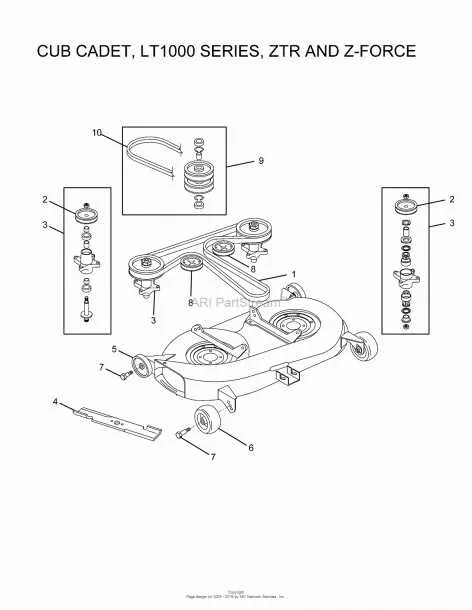
Use the correct belt routing to avoid uneven cutting and premature wear on your Cub Cadet Z Force 48 deck. The mower deck uses a single primary drive belt that connects the engine pulley to the deck pulleys and spindle assemblies. Follow this layout:
- The belt wraps around the engine PTO pulley at the rear center.
- From the PTO, it routes forward to the right-side idler pulley.
- Next, it loops around the right spindle pulley (blade mandrel).
- Then it travels across to the center spindle pulley.
- Continues to the left spindle pulley.
- Finally, it goes around the left idler pulley and returns to the PTO.
Ensure all pulleys are clean and aligned. Use OEM part number 754-04044A or 954-04044A for the correct replacement belt. Belt tension must be firm but not overly tight–check spring-loaded tensioner for proper travel. Inspect pulleys for wobble and replace any damaged bearings before installing a new belt.
Always disengage the PTO and remove the ignition key before working under the deck. Confirm routing by referencing the decal on the mower deck or the official Cub Cadet service manual if available.
How to Locate and Identify the Drive Belt on a Cub Cadet Z Force 48
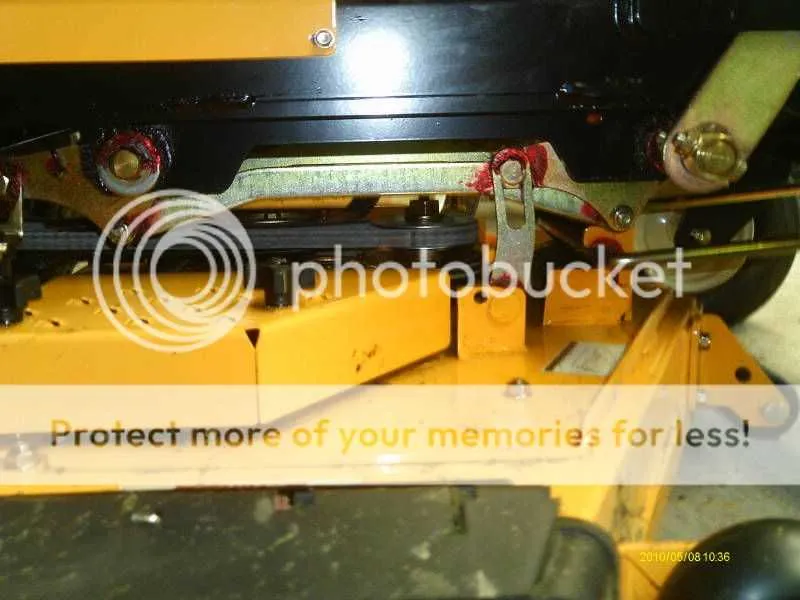
Begin by parking the mower on a flat surface and setting the parking brake. Remove the ignition key and disconnect the spark plug wires to prevent accidental starting.
Raise the mower’s seat and remove the deck by detaching the spring-loaded pins securing it to the frame. Lower the deck carefully to the ground and slide it out from under the mower.
Find the drive belt by inspecting the area between the engine pulley and the transmission pulleys near the rear wheels. The drive belt connects the engine’s output to the hydrostatic transmission, enabling movement.
Look for a belt running from the engine pulley, located directly under the engine, back toward the two transmission pulleys on each side. This belt loops around idler pulleys that maintain proper tension.
Check the condition of the belt. A worn or cracked belt may slip or break during operation. Note the routing pattern or take a picture for reference before removing it. The diagram on the mower’s frame near the deck lift lever may also show the belt path.
Use a wrench to relieve tension on the idler pulley if you plan to remove or replace the belt. Slide the belt off the pulleys and inspect for damage such as fraying, glazing, or stretching.
Step-by-Step Guide to Replacing the Mower Deck Belt
Disconnect the spark plug wire before starting any work. This prevents accidental starts and protects your hands during belt removal.
Lower the deck to its lowest position using the height adjustment lever. This provides easier access to pulleys and the belt routing area.
Remove the deck from the mower by detaching the front and rear lift arms. Pull the deck out from under the mower to expose the full belt path.
Use a socket wrench to release the tension on the idler pulley. This allows the old belt to be slipped off easily. Make a note of the belt routing or refer to the diagram under the deck if available.
Inspect all pulleys and spindle assemblies. Clean any debris and check for worn bearings or damaged components before installing the new belt.
Route the new belt around the pulleys, following the exact path shown on the belt diagram. Make sure the belt fits snugly in the pulley grooves without twisting.
Reapply tension to the idler pulley and double-check that the belt is properly aligned and tensioned across all pulleys.
Reattach the deck to the mower, securing all linkage points and brackets. Reconnect the spark plug wire.
Engage the PTO and test the deck operation at low throttle. Listen for unusual noises and confirm the blades spin smoothly.
Common Belt Routing Mistakes and How to Avoid Them
Align the belt with the correct pulleys before tensioning. A frequent mistake is routing the belt under an idler pulley instead of over it, which throws off tension and causes premature wear.
Check that the V-side of the belt faces into the V-groove pulleys. Installing it backwards reduces grip and leads to slippage. Flat pulleys should contact the back side of the belt only.
Avoid using a belt that’s too loose or too tight. Measure the belt length precisely; for the Cub Cadet Z Force 48, the correct belt is typically 5/8″ x 132.1″ for the deck drive. Confirm with your model’s manual before ordering replacements.
Don’t skip the routing diagram. Misrouting around the PTO clutch or bypassing the tensioner creates slack and causes the belt to jump off under load. The belt should pass cleanly through each guide and tensioner arm as shown in the diagram under the mower deck or manual.
Always disengage the PTO and remove the spark plug wire before working. Installing the belt with the PTO engaged can lock the pulleys and make routing inaccurate.
After installation, spin each pulley by hand to confirm free movement. If the belt pulls or binds, recheck the routing path. Friction or misalignment at this stage signals a problem that will worsen during operation.