2009 Nissan Altima 2.5 Serpentine Belt Diagram and Routing Information
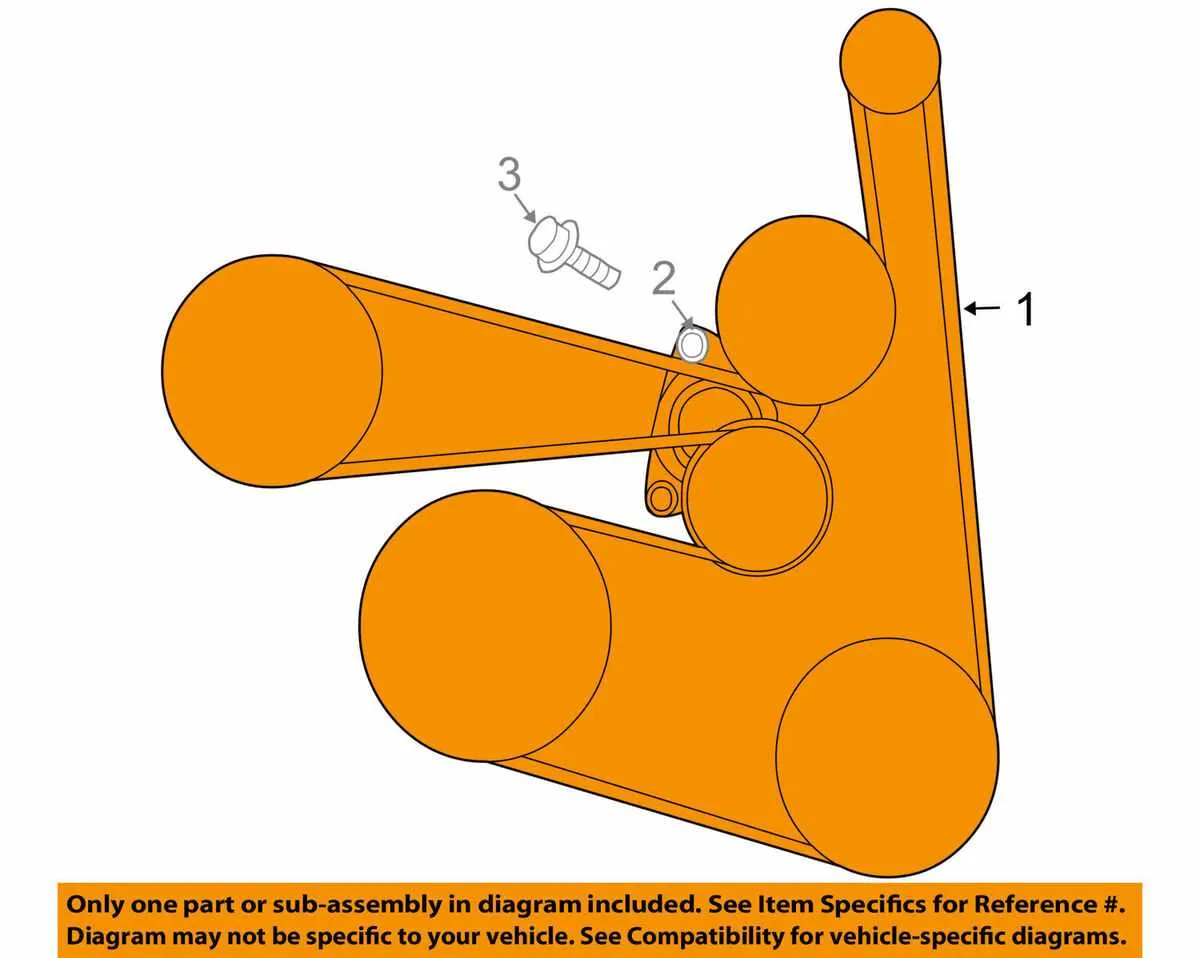
If you need to replace the serpentine belt on your 2009 Nissan Altima 2.5, understanding its routing and setup is crucial. The serpentine belt is responsible for driving essential components like the alternator, power steering pump, and air conditioning compressor. A proper diagram will guide you through the process and save you time and effort.
The serpentine belt on this model follows a straightforward path but requires attention to detail. Start by identifying the location of the belt tensioner, which controls the belt’s tightness. It’s important to release the tension before removing the old belt. Once the belt is off, inspect the pulleys for wear, as this can affect the new belt’s longevity.
Using the diagram, you can easily follow the belt’s route around the engine. Make sure the belt loops around the crankshaft pulley first, followed by the other components in sequence. A clear understanding of how the belt interacts with each pulley will make the installation process more efficient and help avoid common mistakes.
After placing the new belt in the correct position, adjust the tensioner to ensure proper belt tension. A belt that’s too tight or too loose can cause premature wear and lead to future breakdowns. Check the belt’s alignment one last time before starting the engine to ensure everything runs smoothly.
2009 Nissan Altima 2.5 Serpentine Belt Diagram
The serpentine belt on a 2009 Nissan Altima 2.5 is responsible for driving several components, such as the alternator, power steering pump, and air conditioning compressor. To maintain optimal performance, ensure the belt is properly routed. Below is a step-by-step breakdown of the serpentine belt routing for the 2009 Altima 2.5:
Serpentine Belt Routing:
The belt runs from the crankshaft pulley to the following components in sequence:
- Crankshaft pulley
- Power steering pump
- Alternator
- Air conditioning compressor
- Tensioner pulley
- Idler pulley
Tensioning the Belt:
The tensioner pulley applies the right amount of pressure to keep the belt snug. To adjust the tension, use a ratchet wrench to rotate the tensioner counterclockwise. When the belt is correctly positioned, the tensioner should hold it tightly in place.
Common Issues:
Check the belt regularly for cracks, wear, or glazing. A worn belt can cause squealing noises or lead to malfunctioning of key vehicle systems. If the serpentine belt shows significant wear, it should be replaced immediately.
Refer to the diagram and consult your vehicle’s manual for any updates on maintenance recommendations or specific belt specifications.
How to Identify the Correct Serpentine Belt Routing for a 2009 Nissan Altima 2.5
Check the diagram on the engine bay’s sticker for the correct routing. It’s typically located near the radiator or on the engine’s upper section. If the diagram is missing or unreadable, refer to the vehicle’s service manual for the belt routing illustration.
Start by locating all the pulleys: the crankshaft pulley, the power steering pulley, the alternator pulley, the AC compressor pulley, and the tensioner pulley. The belt must pass through each one in the proper sequence, maintaining the right tension.
The tensioner pulley is key for keeping the belt taut. Make sure it is positioned correctly so it doesn’t interfere with the belt’s path. If you have difficulty, manually rotate the tensioner and check for proper movement and alignment with the other pulleys.
If you replace the serpentine belt, double-check the size of the new belt. A belt that is too long or too short can cause misalignment or slippage, resulting in damage or inefficiency.
Once the belt is in place, inspect the routing once more, making sure it follows the original path and sits securely in all the grooves. Turn the engine by hand a few times to verify that the belt moves smoothly and doesn’t come off any pulleys.
Step-by-Step Guide to Replacing the Serpentine Belt on a 2009 Nissan Altima 2.5
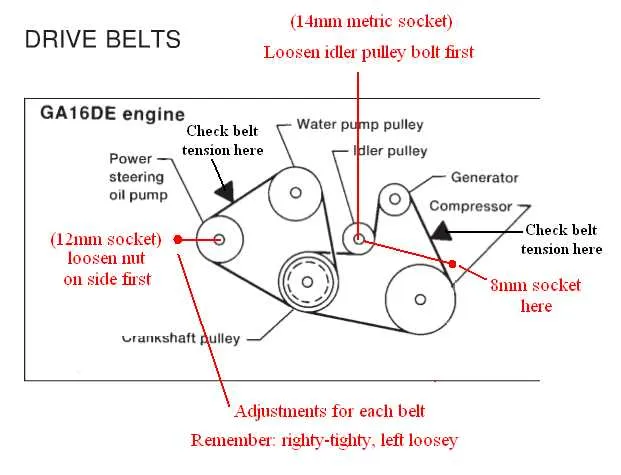
Replacing the serpentine belt on a 2009 Nissan Altima 2.5 is a straightforward task if you follow these steps carefully. This guide will walk you through each stage to ensure a smooth replacement process.
- Gather Tools and Parts: Before you begin, make sure you have a replacement serpentine belt, a wrench set, a belt tensioner tool, and a socket wrench. Ensure the new belt matches the specifications for your 2009 Altima 2.5.
- Lift the Vehicle: Secure the car using a jack and place jack stands under the vehicle for stability. This will give you access to the underside and ensure safety during the process.
- Locate the Serpentine Belt: Open the hood and identify the serpentine belt at the front of the engine. It should be wrapped around several pulleys and driven by the crankshaft pulley.
- Release Tension from the Belt: Use the tensioner tool to relieve pressure from the belt. Locate the tensioner pulley, then rotate it to loosen the belt. You may need a socket wrench to provide extra torque, depending on the tightness.
- Remove the Old Belt: Once the tension is released, carefully remove the serpentine belt from the pulleys. Take note of the belt routing for when you install the new belt.
- Inspect the Pulleys: Before installing the new belt, inspect the pulleys for wear, damage, or misalignment. If any pulleys are in poor condition, replace them before continuing.
- Install the New Belt: Refer to the belt routing diagram, either printed on the engine bay or in your owner’s manual. Position the new belt over the pulleys in the same configuration as the old one.
- Reapply Tension: Use the tensioner tool to move the tensioner pulley and slide the new belt into place. Double-check the tension by pressing down on the belt – it should have some give, but not be too loose.
- Double-Check the Installation: Before starting the engine, manually rotate the engine’s crankshaft using a socket wrench to ensure the belt moves freely and aligns correctly on all pulleys.
- Test Run: Start the engine and observe the serpentine belt’s operation. Listen for any unusual noises and watch for belt slippage. If everything seems normal, you’re done!
Replacing the serpentine belt is a simple task that saves you both time and money when performed correctly. Make sure you dispose of the old belt properly.
Troubleshooting Common Serpentine Belt Issues in a 2009 Nissan Altima 2.5
If your 2009 Nissan Altima 2.5 is showing signs of serpentine belt problems, there are a few common issues to check. Start by inspecting the belt for visible signs of wear, such as cracks, fraying, or glazing. A damaged belt will often cause squealing noises or poor engine performance. Check the tension of the belt–if it’s too loose or too tight, it can slip or wear prematurely. The tensioner pulley is a frequent culprit, so ensure it is functioning properly and not worn out.
Next, inspect the pulleys for misalignment or damage. Misaligned pulleys can cause the belt to wear unevenly or squeal. Look for any unusual wobbling or movement in the pulleys when the engine is running. Any sign of movement that’s out of the ordinary indicates a problem with the pulley system.
Another issue could be the water pump or alternator. If either of these components is failing, the serpentine belt may experience additional stress, leading to premature wear. Listen for any grinding noises coming from these parts, as this can signal a problem.
Finally, always replace a worn or damaged serpentine belt immediately. Continuing to drive with a compromised belt can cause further engine damage and prevent essential components from working properly. If you’re unsure about the condition of your serpentine belt, it’s best to consult a mechanic. Regular maintenance and timely replacement can save you from costly repairs down the line.