John Deere 54 Deck Belt Diagram for Maintenance and Repair
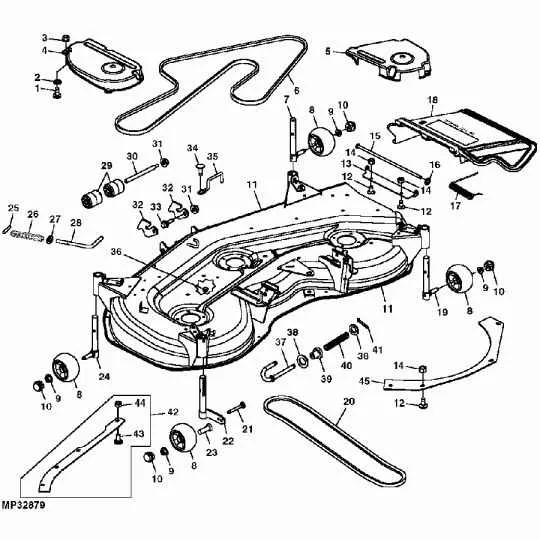
If you’re looking to replace or maintain the belt on your John Deere 54″ deck, having the correct diagram at hand can save you time and effort. The belt system plays a key role in ensuring that your mower operates smoothly, and understanding its layout is crucial for any repair or replacement tasks.
The diagram provides a clear guide for routing the deck belt around pulleys, spindles, and other components. Pay attention to the specific order and alignment of the belt as it loops through the system, as incorrect routing could lead to premature wear or even belt failure.
Start by locating the belt diagram, which can usually be found in the mower’s manual or on a label near the deck. If the diagram is missing or unclear, we’ve broken down the key steps below to help you understand the process and get your machine back in top shape.
With the right diagram and a few simple tools, you can replace the belt in no time. Whether you’re replacing a worn-out belt or performing routine maintenance, this guide will help you ensure the job is done right.
John Deere 54 Deck Belt Diagram
To replace or maintain the deck belt on your John Deere 54″ mower deck, follow the belt routing diagram closely. This ensures proper operation and extends the lifespan of the mower.
The belt on the John Deere 54″ deck is responsible for powering the blades, so it must be routed precisely. If the belt is incorrectly installed, it may slip or cause uneven cutting, damaging the system. Here’s how to install it correctly:
- Start by loosening the tensioner on the deck to relieve pressure from the old belt.
- Remove the old belt carefully, ensuring no parts are damaged during removal.
- Place the new belt around the pulley system, following the exact routing shown in the diagram. Pay close attention to the direction of the belt on each pulley.
- Ensure the belt is properly aligned and seated on all pulleys before tightening the tensioner.
Refer to the diagram below for a visual guide on how the belt should loop around the deck pulleys:
- The belt should start from the engine pulley, then move around the idler pulleys, and finally loop around the blades’ spindle pulleys.
- Ensure the belt is routed through the deck’s idler arm to maintain proper tension for efficient blade operation.
- Double-check that the belt is not twisted or over-tightened, as this can cause premature wear.
Once the new belt is in place, test the mower by engaging the blades and verifying that they rotate smoothly without any jerking or slipping. If the belt appears to be too loose or tight, adjust the tension accordingly.
By following these steps and referencing the belt diagram, you’ll keep your John Deere 54″ deck operating at its best, ensuring efficient mowing every time.
How to Install the John Deere 54 Deck Belt Correctly
Align the new belt with the correct path outlined in the diagram for your John Deere 54 deck. Make sure to follow the routing instructions step-by-step for smooth operation. First, lift the deck using the mower’s lift lever or jack, ensuring you have enough clearance to access the components.
Next, remove the old belt by loosening the tensioner pulley. This will release the pressure on the belt, allowing you to remove it. Pay attention to the routing of the old belt as a reference for the new one. Once the old belt is off, inspect the pulleys and other components for any signs of wear or damage. Replace them if needed before installing the new belt.
To install the new belt, start by threading it through the appropriate pulleys as indicated in the diagram. Make sure the belt fits into the grooves properly and that it runs smoothly over each pulley. Check that the belt sits correctly on the tensioner pulley to avoid slippage.
Once the belt is in place, adjust the tensioner pulley to apply the right amount of tension. The belt should be tight enough to prevent slipping but not so tight that it puts excessive strain on the pulleys. After securing the belt, rotate the mower blades by hand to ensure the belt runs smoothly and without obstruction.
Finally, lower the deck back into its operating position and test the mower. Run it for a short period to check for any unusual sounds or behavior, which could indicate an issue with the installation. If everything runs smoothly, your belt installation is complete.
Common Issues with John Deere 54 Deck Belt and How to Troubleshoot Them
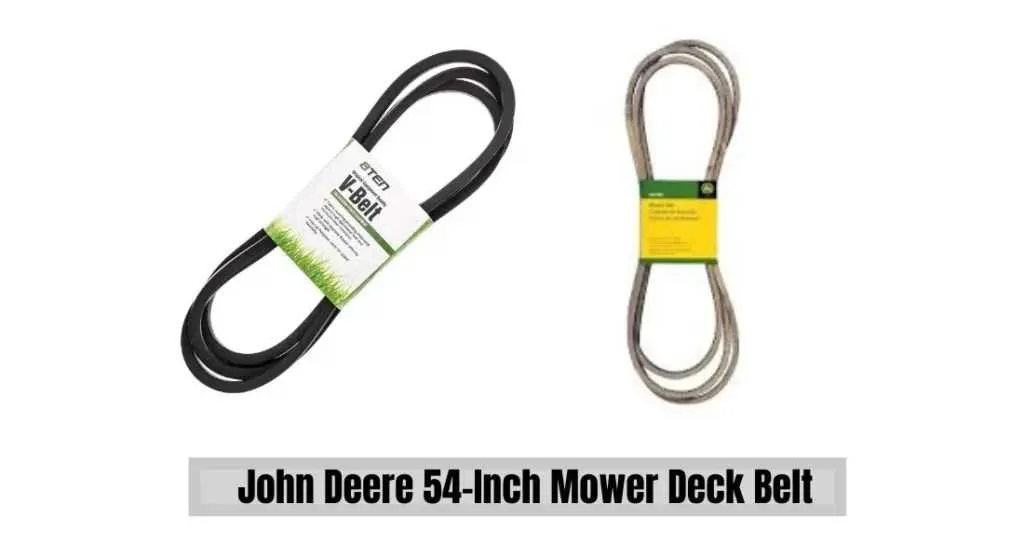
Worn or cracked belts can cause the mower deck to malfunction. Inspect the belt for any visible damage, and replace it if necessary. If you notice slipping or poor cutting performance, a worn-out belt could be the issue.
Improper tensioning is another common issue. If the belt is too loose, it won’t make proper contact with the pulleys, causing the blades to operate inefficiently. On the other hand, if it’s too tight, it could lead to excessive wear and premature failure. Adjust the tension according to the manufacturer’s guidelines to avoid these problems.
Obstructions in the pulley system can prevent the belt from running smoothly. Check for debris, grass buildup, or other foreign objects that might be stuck in the pulleys. Clear out any blockages to ensure the belt moves freely.
Incorrect routing of the belt can lead to operational failures. Make sure the belt is routed according to the diagram in the user manual. A belt that is not positioned correctly may cause uneven blade rotation or disengagement.
If you experience frequent belt breakage, inspect the idler pulleys for wear. These components can cause excess strain on the belt, leading to premature failure. Replacing worn pulleys can restore proper belt performance.
Finally, monitor the overall alignment of the deck. Misaligned decks can create uneven tension on the belt, leading to slippage or failure. Regularly check the alignment to maintain optimal performance.
Step-by-Step Guide to Replacing the John Deere 54 Deck Belt
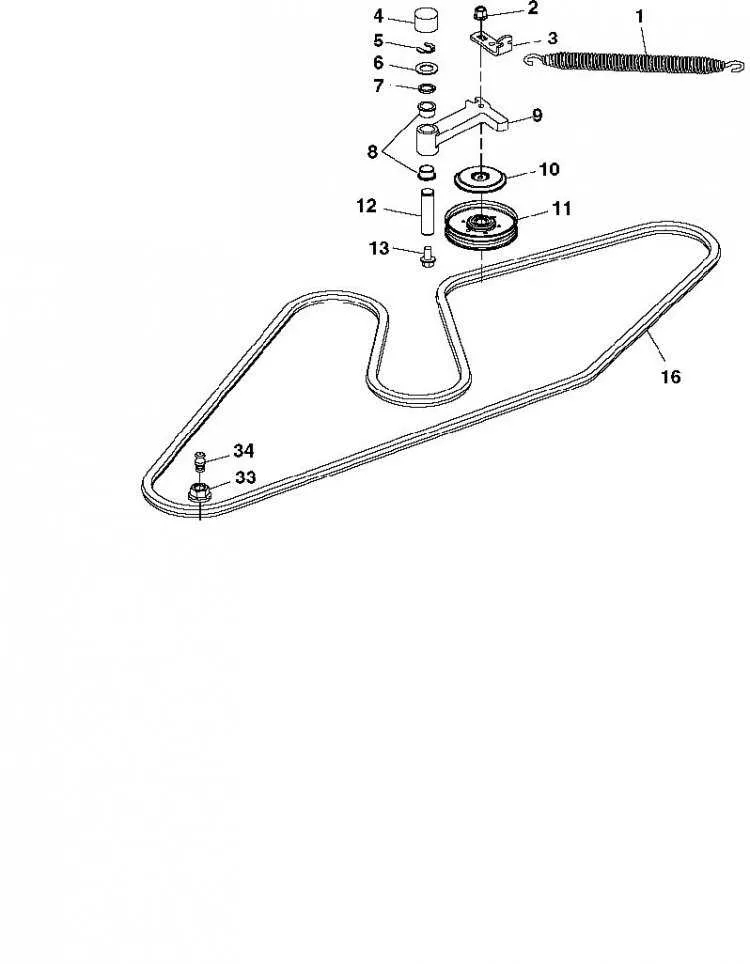
To replace the John Deere 54 deck belt, follow these steps for a smooth process. You will need a new deck belt, basic tools, and some patience.
1. Raise the Mower Deck
Lift the mower deck to its highest position using the deck lift lever. This creates enough clearance to access the belt and pulleys underneath.
2. Remove the Old Belt
Locate the belt path and start by loosening the tension on the belt. Typically, this requires removing the belt from the tension spring and releasing the belt from the pulleys. Carefully slide the belt off the deck and around the spindle pulleys. Keep track of the belt’s routing for installation.
3. Inspect the Pulleys
Before installing the new belt, check the pulleys for wear. Spin each pulley by hand to make sure they rotate smoothly without wobbling. Replace any damaged or worn pulleys to ensure the new belt runs properly.
4. Install the New Belt
Route the new belt according to the diagram on your mower. Start by looping the belt around the large drive pulley, then proceed to route it through the remaining pulleys. Ensure the belt fits correctly in the pulley grooves and runs evenly along the path.
5. Reattach the Tension Spring
Reinstall the belt tension spring to ensure the belt stays under proper tension. The spring should be connected firmly to the correct mounting points as per the manual.
6. Check Belt Alignment
After installing the new belt, manually rotate the pulleys to confirm the belt moves freely and does not rub against any components. Adjust the routing if necessary.
7. Lower the Mower Deck
Once the belt is installed and adjusted, lower the mower deck back into its operating position. Check for proper tension by pulling on the belt slightly to ensure it has adequate slack.
8. Test the Mower
Start the mower and test the deck operation. Listen for any unusual noises and observe the belt’s movement to ensure everything is functioning properly. If there are issues, recheck the belt routing and pulley alignment.
By following these steps, you can replace the John Deere 54 deck belt and get your mower running smoothly again.