2005 Chrysler 300C 5.7 Serpentine Belt Routing and Diagram
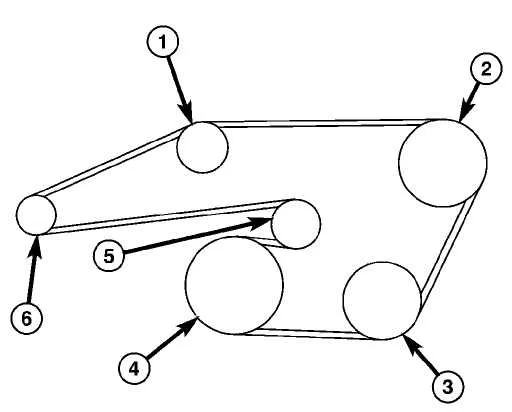
To accurately replace or troubleshoot the serpentine belt on a 2005 Chrysler 300C 5.7, start by identifying the belt routing. This will help you avoid any unnecessary steps and ensure proper alignment during installation. The diagram shows a clear path of how the belt should be routed around the pulleys and tensioner.
Step 1: Confirm the correct belt length and type for your model. Using the wrong size belt can lead to misalignment or improper tension, causing premature wear. The belt size for the 5.7L engine typically ranges between 88 and 92 inches, but always verify with your vehicle’s manual.
Step 2: Locate the tensioner pulley. This pulley is adjustable and plays a key role in maintaining the correct tension. Use a wrench or a ratchet to release the tension, allowing you to remove the old belt and install a new one. Make sure the tensioner moves freely without resistance.
Step 3: Follow the serpentine belt diagram closely when reinstalling the new belt. Ensure the belt follows the correct path through each pulley, and check for any signs of wear or damage on the pulleys themselves. A misrouted belt can cause belt slippage, noise, or even complete failure.
Regular inspection and maintenance of the serpentine belt can extend its lifespan and prevent unexpected breakdowns. If you notice any unusual noise or difficulty steering, check the belt for wear and recheck its routing. Following this guide will help you maintain smooth engine performance and avoid costly repairs.
2005 Chrysler 300C 5.7 Belt Diagram
To install or replace the serpentine belt on a 2005 Chrysler 300C 5.7, refer to the diagram to ensure proper routing and alignment. This belt drives several critical engine components, including the alternator, power steering pump, air conditioning compressor, and water pump.
Start by locating the tensioner pulley, which is used to adjust the belt tension. Use a wrench or a ratchet to relieve the tension, allowing the belt to be removed easily. Check the diagram for precise belt routing, ensuring it follows the correct path around the pulleys and components.
Ensure that the belt is aligned properly across all pulleys. Misalignment can cause premature wear or even belt failure. Once the belt is in place, verify that the tensioner holds the correct tension, preventing slippage or slack. A properly installed belt should have no more than a half-inch of deflection when pressed midway between pulleys.
If the belt appears damaged or worn out during inspection, replace it with a new one of the same size and specifications. Refer to the owner’s manual for the recommended belt length and part number. Always check the belt for signs of wear, such as cracks or fraying, especially near the edges, which can indicate it needs replacement.
Understanding the Serpentine Belt Routing for 2005 Chrysler 300C 5.7
The serpentine belt in the 2005 Chrysler 300C 5.7 plays a vital role in powering several engine accessories, such as the alternator, power steering pump, and air conditioning compressor. To ensure smooth operation, proper routing of the belt is critical. Begin by identifying the main components it connects: the crankshaft pulley, tensioner, idler pulley, alternator, and other driven accessories. The belt must be routed over these components in a precise sequence to maintain optimal tension and function.
First, check that the tensioner is properly positioned before installing the serpentine belt. The tensioner should align with the designated path of the belt, keeping it taut enough to prevent slippage. Make sure the belt passes over the crankshaft pulley, then loops over the water pump and alternator pulleys. It should continue to the idler pulley, ensuring a correct fit that avoids unnecessary twists or slack.
Next, verify the direction of the belt. A correctly routed belt will have the ribs facing the pulleys that require traction, while the smooth side should face components like the idler pulley. Pay attention to the specific routing diagram for the 2005 Chrysler 300C 5.7, as deviations may lead to premature wear or failure of the belt and associated components.
Finally, after routing, double-check that the belt is seated correctly on each pulley and properly tensioned. A misaligned belt or improper tension can cause squeaks, poor performance, and potential damage. Regular inspection and replacement of the serpentine belt, as outlined in the vehicle’s manual, are essential for maintaining the 300C’s reliability and smooth operation.
Identifying Key Components Affected by the Belt System in Chrysler 300C 5.7
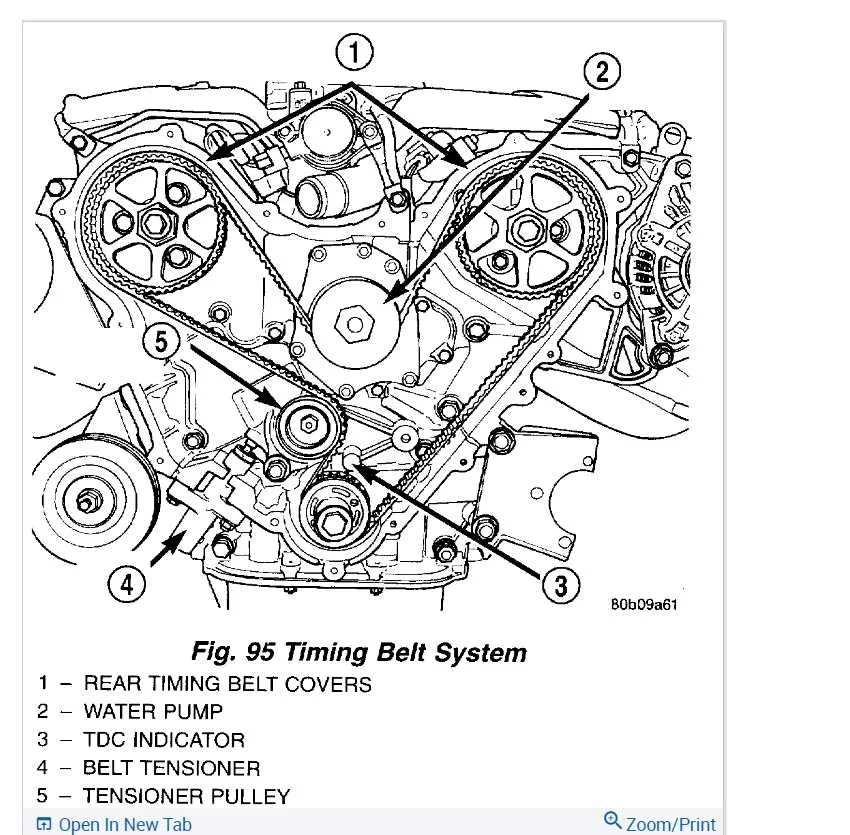
The serpentine belt system in the 2005 Chrysler 300C 5.7 powers several crucial components in the engine. It is important to understand which parts are directly impacted by belt failure or misalignment. Below are the main components affected:
- Alternator: The alternator is driven by the serpentine belt, providing power to the vehicle’s electrical system. A malfunctioning belt can lead to battery drainage and electrical issues.
- Power Steering Pump: The power steering pump relies on the serpentine belt to provide hydraulic pressure. A failing belt could result in difficult steering or complete loss of power assist.
- Water Pump: The water pump circulates coolant through the engine. If the serpentine belt breaks or slips, it can cause the engine to overheat due to insufficient cooling.
- Air Conditioning Compressor: The AC compressor uses the belt to operate the air conditioning system. A failure in the belt system could leave the vehicle without air conditioning.
- Crankshaft Pulley: The crankshaft pulley is the central point from which the serpentine belt is driven. Damage to this pulley or misalignment could disrupt the entire belt system.
- Idler Pulley and Tensioner: These components help maintain the correct tension in the serpentine belt. Worn-out pulleys or a faulty tensioner can lead to belt slippage or complete failure.
Regular inspection and maintenance of the serpentine belt and related components are crucial to prevent costly repairs. If any of these parts show signs of wear, replace them promptly to avoid more severe engine issues.
Common Belt Tension and Alignment Issues in Chrysler 300C 5.7
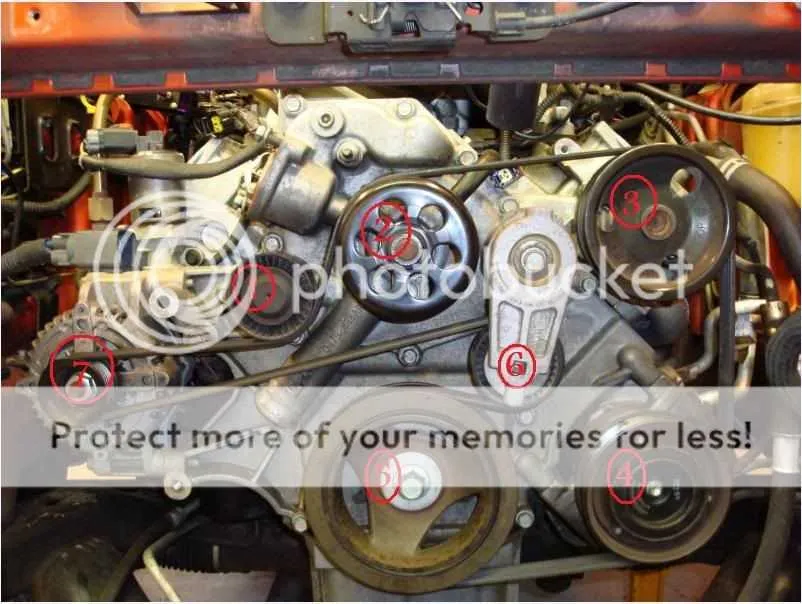
Incorrect belt tension or misalignment in the Chrysler 300C 5.7 can lead to various engine problems, including belt slippage and premature wear. To prevent this, regularly inspect the belt tensioner and pulleys for signs of wear and misalignment. Ensure that the serpentine belt is correctly routed according to the manufacturer’s specifications.
One of the most common issues is a loose or worn-out tensioner, which can cause the belt to slip or fail to maintain proper tension. If the tensioner shows signs of damage or excessive play, replace it promptly. A misaligned belt can also be caused by a pulley that is damaged or worn out. Check the pulleys for smooth operation and replace any that show signs of wear or wobbling.
If the belt appears to be running off-center or making unusual noises, it is important to check the alignment of the pulleys. Misalignment can occur due to worn bearings or improper pulley installation. Ensure that all pulleys are aligned properly and that the belt is tracking in the correct direction.
In some cases, the serpentine belt may become stretched over time, causing it to slip and affect engine performance. If the belt is excessively worn or stretched, replace it with a new one that meets the manufacturer’s specifications. Also, inspect the belt for cracks or fraying, as these can indicate that the belt is nearing the end of its service life.