2006 Dodge Ram 1500 Serpentine Belt Diagram and Routing Guide
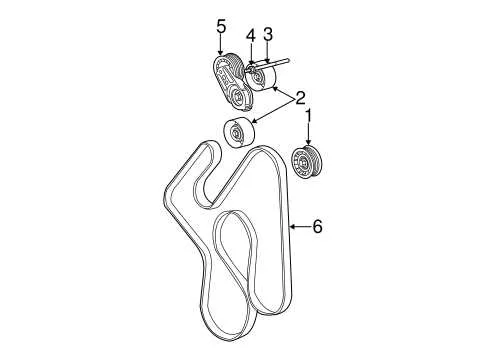
For a smooth and reliable performance of your 2006 Dodge Ram 1500, understanding the serpentine belt layout is key. A properly installed serpentine belt keeps the engine’s accessories running efficiently. This includes components like the alternator, power steering pump, air conditioning compressor, and more. Referencing the correct diagram ensures you can avoid costly mistakes and repairs.
The serpentine belt layout in your 2006 Ram 1500 is straightforward once you know the correct routing. It runs over various pulleys and is guided by the tensioner pulley to maintain optimal tension. The belt needs to be replaced when worn or damaged, as it plays a significant role in preventing engine overheating and poor performance.
Before replacing or inspecting the serpentine belt, it’s helpful to have a clear diagram on hand. It’s advised to check the belt’s condition every 30,000 to 50,000 miles, depending on the driving conditions. A worn belt can slip, causing loss of power to crucial components and potential engine damage. Make sure to align the new belt correctly with the pulleys using the provided diagram.
For reference, check the factory diagram in your vehicle’s manual for specific routing instructions. This guide gives you a step-by-step overview of how the belt interacts with the engine components. If you’re doing the replacement yourself, be sure to confirm that the new belt fits snugly without any misalignments.
2006 Dodge Ram 1500 Serpentine Belt Diagram
The serpentine belt diagram for the 2006 Dodge Ram 1500 ensures correct routing of the belt, helping to power multiple components like the alternator, power steering pump, and air conditioning compressor. Follow the diagram closely to avoid improper installation that could cause premature wear or damage.
For a standard V8 engine configuration, the belt route starts at the crankshaft pulley and moves in a serpentine pattern across the other pulleys. The alternator sits towards the top, while the power steering pump and air conditioning compressor are positioned below. The tensioner pulley keeps the belt tight, preventing slippage during operation. Pay attention to the direction of the belt, ensuring that it loops over and under the components in the right sequence to maintain proper function.
To replace the belt, first locate the tensioner pulley. Use a ratchet or belt removal tool to relieve tension, then remove the old belt. Compare the new belt with the old one to confirm correct length and fitment before installation. Route the new belt according to the diagram, ensuring it sits properly in the grooves of each pulley. Recheck the tensioner to ensure the belt is properly tightened.
Refer to the service manual for any specific variations that may apply to your model, as some trucks may have additional components like an upgraded alternator or an electric fan that alters the belt route. Always check the condition of the belt periodically to prevent unexpected breakdowns.
Understanding the Serpentine Belt Routing for the 2006 Dodge Ram 1500
The serpentine belt routing for the 2006 Dodge Ram 1500 is straightforward once you identify the key components. Start by locating the alternator, power steering pump, air conditioning compressor, and the crankshaft pulley, as they all interact with the serpentine belt. The belt should run smoothly over these pulleys without excessive slack or tension.
The routing follows a specific path, starting from the crankshaft pulley, wrapping around the alternator, and passing over the power steering pump. Next, the belt should loop around the air conditioning compressor before moving back to the tensioner pulley. The tensioner pulley plays a critical role in maintaining proper belt tension. It is spring-loaded and adjusts automatically as the belt stretches over time.
For optimal performance, inspect the tensioner to ensure it’s working properly. If the tensioner shows signs of wear or damage, it may not apply enough pressure to keep the belt in place, leading to slipping or excessive wear.
Always refer to the specific diagram for your 2006 Dodge Ram 1500 to double-check the exact routing and ensure accuracy. The belt should move smoothly across all pulleys with no signs of misalignment. Regular maintenance and inspection of the serpentine belt and its components are key to preventing breakdowns and maintaining engine performance.
How to Properly Replace the Serpentine Belt on a 2006 Dodge Ram 1500
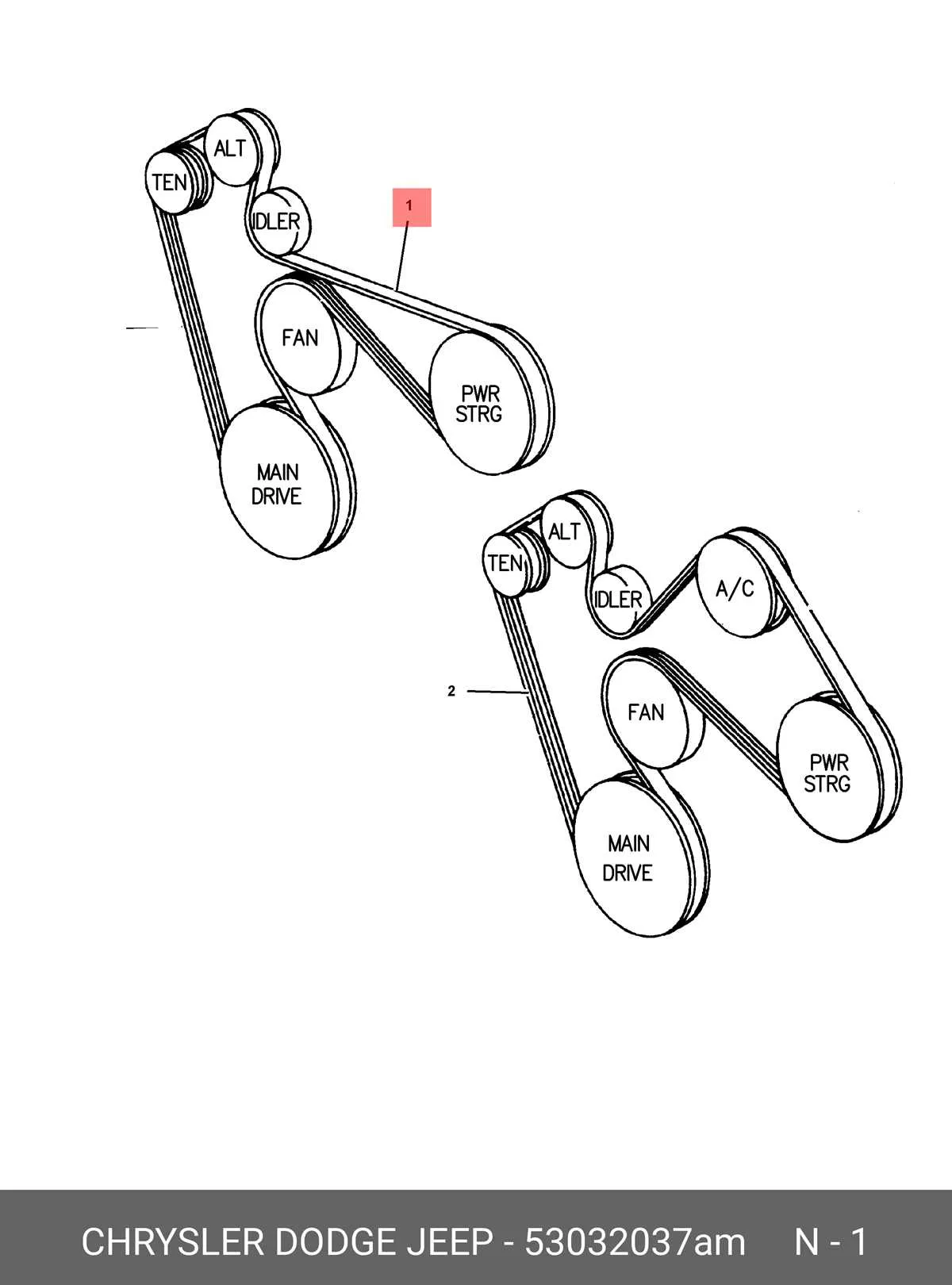
Replacing the serpentine belt on your 2006 Dodge Ram 1500 requires only a few tools and some basic steps. Here’s how to get it done.
- Tools Needed: A socket wrench, serpentine belt tool (or a long-handled ratchet), and a new serpentine belt that matches your vehicle’s specifications.
1. Locate the Serpentine Belt: Open the hood and find the serpentine belt. It runs over the alternator, power steering pump, air conditioning compressor, and other components. The diagram on the radiator support can help you identify its path.
2. Release Tension on the Belt: Use a serpentine belt tool or a ratchet wrench to rotate the tensioner pulley counterclockwise. This will release tension on the belt, allowing you to remove it. Make sure to hold the tensioner securely as it can snap back into place if released too quickly.
3. Remove the Old Belt: Slide the belt off the pulleys while the tension is released. Note the path the belt follows, as this will help you install the new one in the same direction.
4. Inspect Components: Before installing the new belt, check the pulleys and tensioner for wear or damage. If any components seem damaged, replace them before installing the new belt.
5. Install the New Serpentine Belt: Place the new belt over the pulleys following the same route as the old one. Start with the tensioner pulley last to make sure you can easily pull it into position. Rotate the tensioner pulley again to allow the belt to slide into place.
6. Double-Check the Belt Alignment: Once the belt is in place, double-check that it is seated correctly on all pulleys. The ribs of the belt should be fully engaged with the grooves of each pulley.
7. Test the System: Start the engine and let it run for a minute. Observe the belt’s movement to make sure it’s running smoothly and silently. If there are any unusual noises or the belt seems misaligned, turn off the engine and recheck the installation.
By following these steps, you’ll have your serpentine belt replaced quickly and efficiently. Regularly check the belt for signs of wear to prevent future issues.
Common Issues and Troubleshooting with the Serpentine Belt System in the 2006 Dodge Ram 1500
Inspect the serpentine belt for wear and tear. A worn or cracked belt often causes squealing sounds and can lead to complete failure. If you notice visible cracks or fraying, replace the belt immediately to prevent damage to other components.
The belt tensioner can also wear out, losing its ability to keep the belt tight. This results in the belt slipping or coming off. If you notice any unusual noises or the belt seems loose, inspect the tensioner for proper spring tension and replace it if necessary.
Another issue may involve the pulleys, particularly if they are misaligned or damaged. Misalignment can cause uneven wear on the belt, leading to premature failure. Spin each pulley by hand to check for smooth movement. If you feel resistance or hear grinding sounds, replace the damaged pulley.
Leaking fluid can affect the belt and pulleys. If power steering fluid, coolant, or oil leaks onto the serpentine belt, it can cause slippage or degradation. Check for any fluid leaks and fix the source before replacing the belt to prevent repeated issues.
In some cases, the belt may become misrouted. Make sure the belt routing matches the diagram in your vehicle’s manual. An incorrect routing can cause the belt to slip or wear unevenly, leading to failure.
If the alternator or other accessories are not turning properly, the belt could be the culprit. A malfunctioning alternator or accessory can put extra strain on the belt, causing it to stretch or break prematurely. Ensure the accessories are working smoothly and inspect the belt for signs of excessive wear.