Detailed Diagram and Guide for John Deere STX38 Drive Belt Replacement and Installation
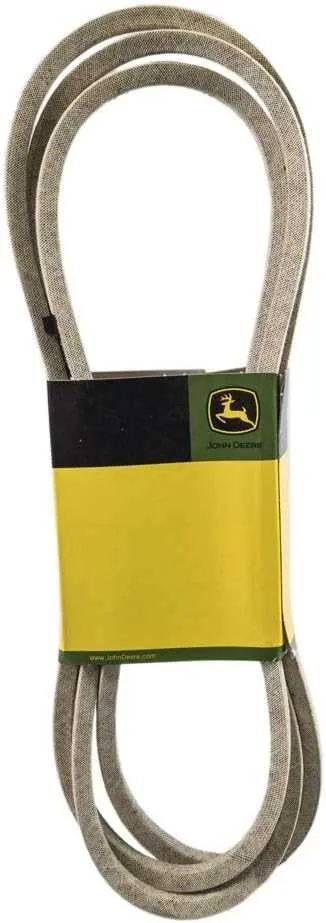
Locate the exact routing of the drive belt on your John Deere STX38 using this detailed diagram to ensure proper installation and prevent premature wear. The belt loops around the engine pulley, the transaxle pulley, and several idler pulleys, creating the tension necessary for smooth operation. Misrouting the belt can cause slipping or damage to components, so follow the sequence carefully.
The diagram highlights the placement of each pulley, including the tensioner arm that maintains belt tension automatically. Check for any signs of cracking or fraying on your existing belt before replacement, and verify the part number matches John Deere’s specifications to avoid compatibility issues. Proper alignment along the pulleys reduces noise and extends the life of both belt and drive system.
Regular inspection using this diagram as a reference helps maintain optimal performance of your mower’s transmission system. Replace the drive belt if you notice slippage, squealing, or decreased cutting power, referring back to the diagram to guide installation. This approach minimizes downtime and keeps your STX38 running smoothly throughout the mowing season.
John Deere STX38 Drive Belt Diagram
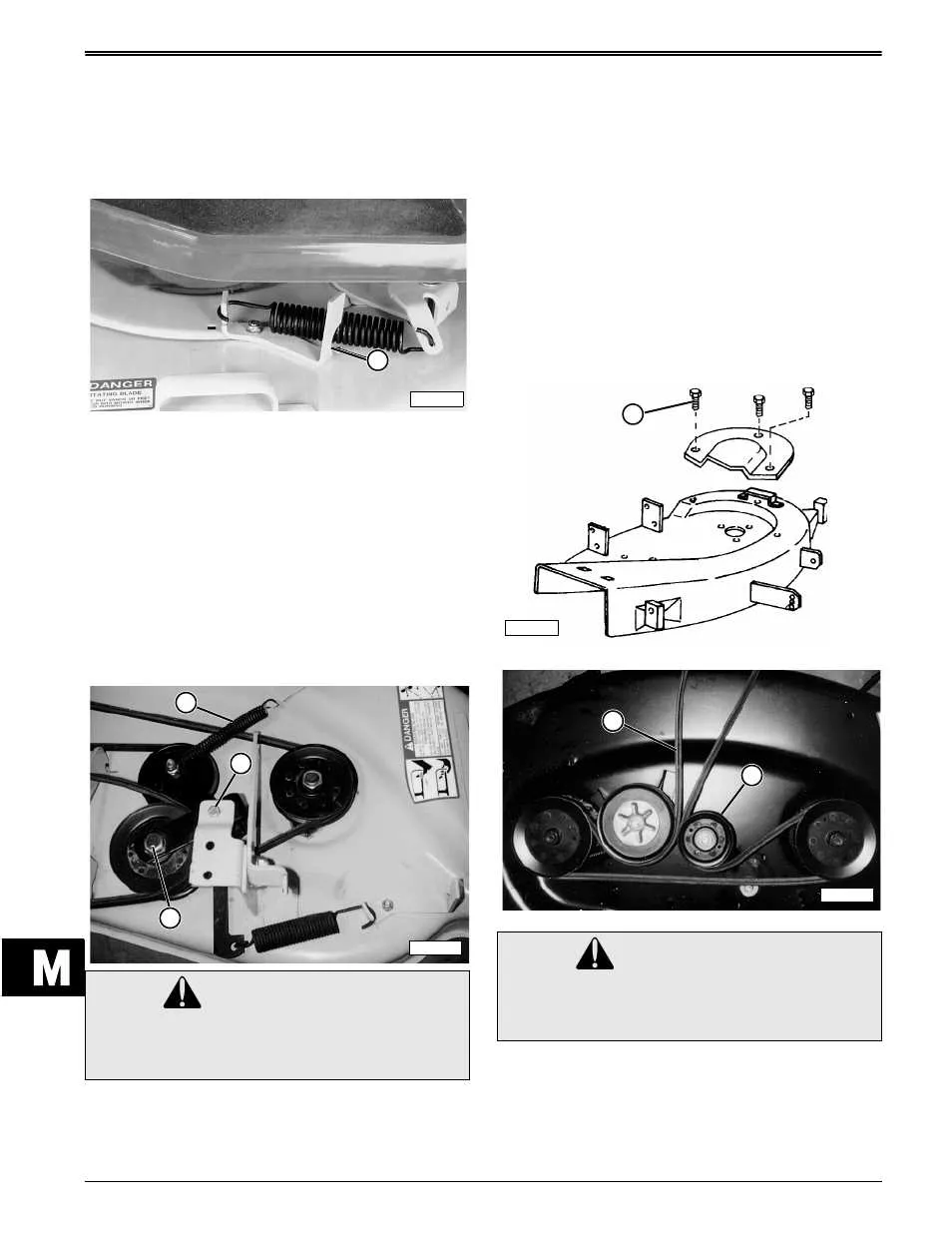
Locate the drive belt routing clearly with the official John Deere STX38 diagram to ensure correct installation and avoid belt slippage or damage. The drive belt connects the engine pulley to the transmission pulley, enabling smooth power transfer.
The belt routing follows this sequence:
- Start at the engine crankshaft pulley.
- Wrap around the idler pulley to maintain tension.
- Pass over the transmission input pulley.
- Return to the engine pulley completing the loop.
To install the belt correctly:
- Release belt tension by loosening the tensioner pulley.
- Position the belt according to the diagram, ensuring all grooves align with pulley ridges.
- Tighten the tensioner to apply proper tension–avoid excessive tightness which can cause premature wear.
- Check for smooth rotation by manually turning the pulleys.
Refer to the diagram printed on the mower deck or the operator’s manual for visual guidance. If the belt shows signs of cracking, glazing, or fraying, replace it immediately following this routing to maintain optimal mower performance.
Identifying the Correct Drive Belt for John Deere STX38
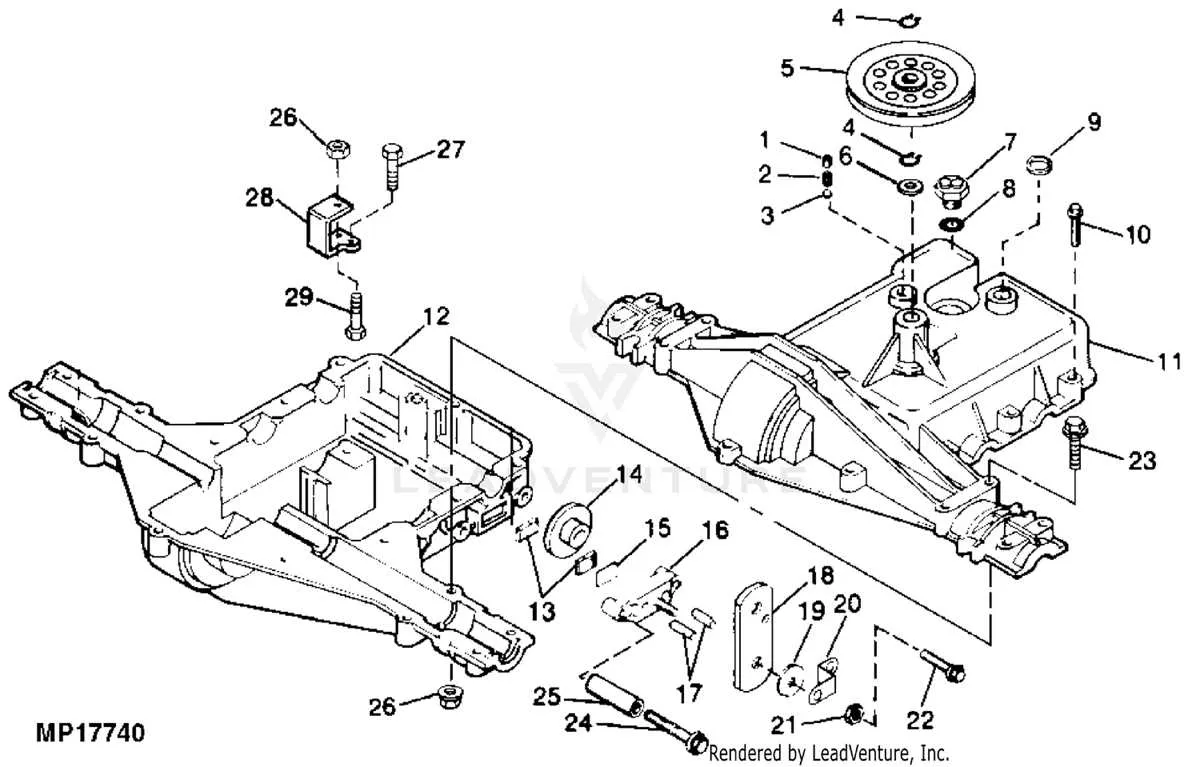
The correct drive belt for the John Deere STX38 is the John Deere OEM part number AM134237. This belt measures approximately 1/2 inch in width and 60 inches in length, designed specifically to fit the transmission and engine pulleys of the STX38 model.
Confirm the belt type by comparing it with the existing one, paying close attention to the number of ribs and the belt profile. The STX38 uses a ribbed V-belt, which provides optimal grip and durability under heavy load conditions.
Before ordering, check the drive belt diagram in the John Deere STX38 manual or trusted online sources to verify routing and pulley sizes. Using the diagram ensures the new belt matches the exact path and tension requirements, avoiding premature wear or slippage.
If the original belt number is unavailable, select a high-quality replacement with equivalent dimensions and rib pattern. Brands like Gates or Dayco offer compatible belts, but always cross-reference part numbers to maintain proper fit.
Inspect pulleys and tensioners for wear during belt replacement. Replacing worn components alongside the drive belt prolongs system reliability and performance on the STX38 mower.
Step-by-Step Guide to Reading the STX38 Drive Belt Diagram
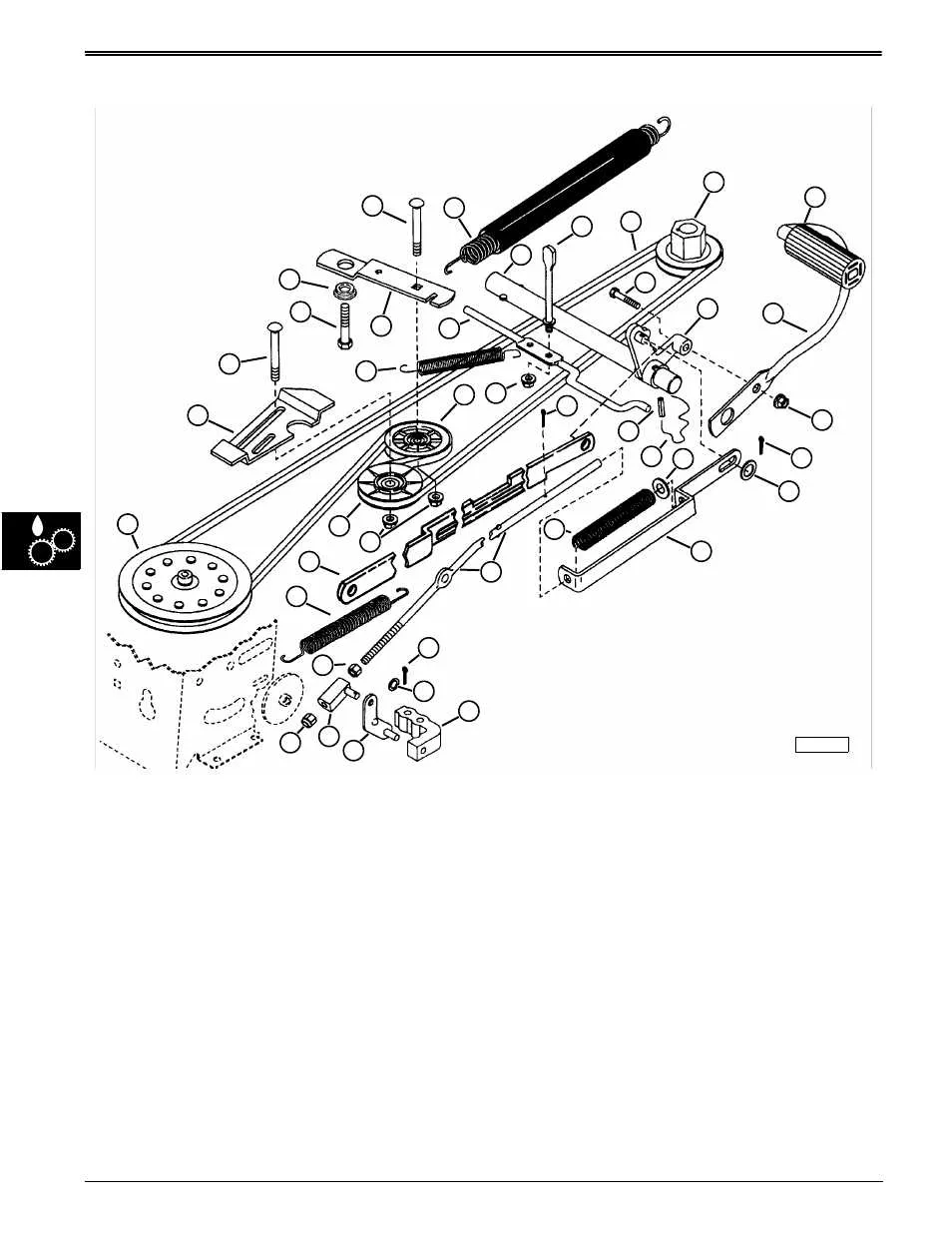
Locate the main components on the diagram: engine pulley, deck pulley, idler pulleys, and the drive belt path. Each pulley is clearly marked and connected by a continuous belt line. Focus on the arrows indicating belt direction to understand the flow of power.
Identify the tensioner pulley, usually shown with a spring symbol or marked as “idler.” It controls belt tension and keeps it tight around other pulleys. Recognize its position relative to the engine and transmission to visualize how belt tension adjusts during operation.
Trace the belt starting at the engine pulley, following the line as it loops around each pulley. Check for any crossing lines or overlaps that indicate the belt twists or changes layers. The diagram shows these details to help prevent incorrect belt routing.
Note any additional components like brake pulleys or PTO pulleys included in the diagram. These elements integrate into the belt system and affect overall routing. Confirm each part’s label to avoid confusion during reassembly or repair.
Cross-reference the diagram with your actual mower parts. Match pulley shapes and sizes to verify accuracy. This comparison helps catch any discrepancies and ensures the belt fits as shown.
Use the diagram’s numbering system to follow the installation sequence, if provided. This order simplifies the process by showing which pulley to engage first, reducing belt slack and easing installation.
Check for maintenance tips included in the diagram notes, such as recommended belt tension or pulley alignment. Applying these instructions prolongs belt life and maintains smooth operation.
Troubleshooting Common Drive Belt Issues Using the Diagram
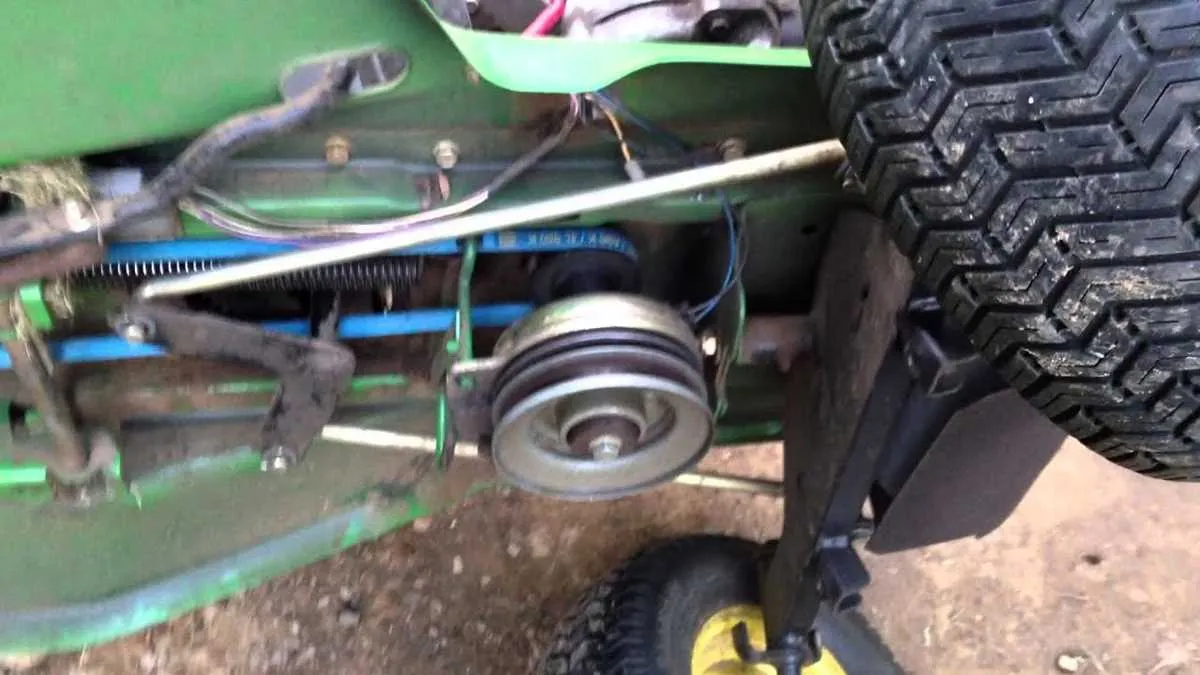
Check the diagram to confirm the correct belt routing before inspecting any components. A misrouted belt is one of the most frequent causes of loss of drive or uneven blade engagement on the John Deere STX38. Make sure the belt passes under the tensioner pulley and around the engine pulley as shown.
If the belt slips or squeals, inspect the tensioner spring location on the diagram. A stretched or disconnected spring reduces tension, allowing the belt to lose grip. Replace the spring if it no longer maintains firm pressure on the tensioner arm.
Use the diagram to verify pulley alignment. Misaligned pulleys cause premature belt wear and fraying. Spin each pulley by hand to feel for resistance or wobble. Replace worn bearings or bent pulleys immediately to prevent further belt damage.
If the belt jumps off during operation, focus on the idler pulleys shown in the diagram. Ensure their brackets are secure and not bent. A slightly off-angle idler can throw the belt under load. Realign or replace the pulley arm if needed.
Compare the belt size against the part number indicated in the diagram. Using an incorrect belt–too long or too narrow–causes poor performance and reduces lifespan. Always install a belt with the exact OEM specifications for the STX38.