2007 Jeep Wrangler Serpentine Belt Diagram and Routing Information
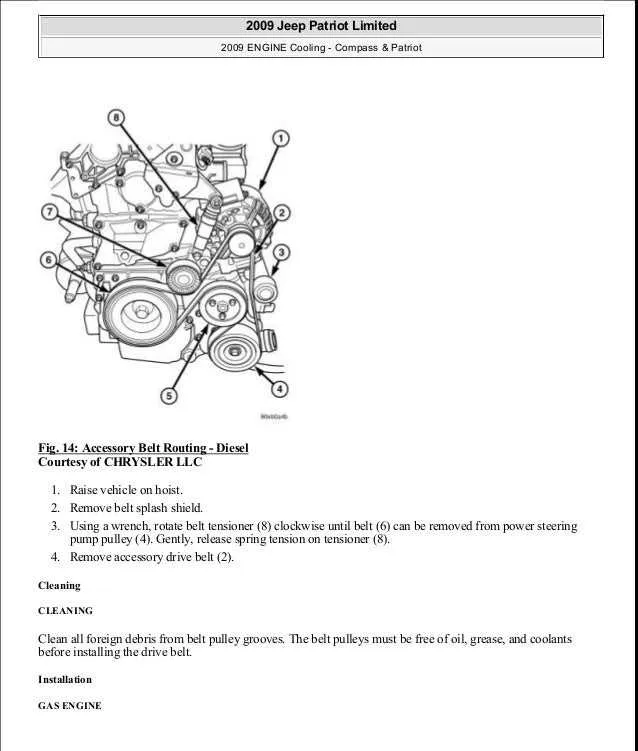
If you’re working on the 2007 Jeep Wrangler and need to replace or adjust the belts, refer to the belt diagram for guidance. It’s the fastest way to ensure the correct routing of the serpentine belt and other components that power the engine accessories.
The diagram includes clear instructions on how the belts interact with the alternator, power steering pump, and air conditioning compressor. For the 2007 Jeep Wrangler, the belt typically runs around these essential parts, creating a smooth flow of power from the engine to keep everything functioning properly.
Make sure to check the tensioner and idler pulley as well, as they play a key role in keeping the belt properly tensioned. If either is worn or damaged, replacing them while changing the belt is recommended. Consult the diagram to avoid errors during the process, and always double-check for proper alignment once the new belt is in place.
2007 Jeep Wrangler Belt Diagram
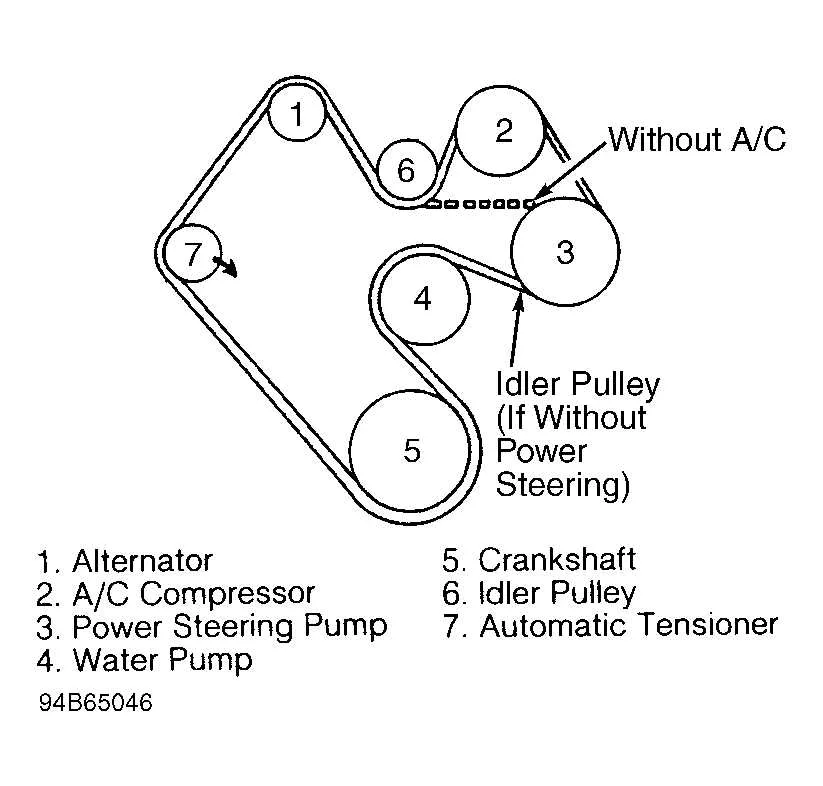
The 2007 Jeep Wrangler uses a serpentine belt system to drive various components such as the alternator, power steering pump, water pump, and air conditioning compressor. To replace or check the belt, it’s important to follow the correct routing to ensure optimal performance.
The belt routing diagram for the 2007 Jeep Wrangler can vary slightly depending on the engine model (3.8L V6 or 2.8L diesel). For the 3.8L V6, the serpentine belt runs from the crankshaft pulley, loops around the A/C compressor, power steering pump, alternator, and tensioner pulley before returning to the crankshaft pulley. Check for proper tension and wear when inspecting the belt.
If the belt appears damaged or worn, replace it immediately to prevent failure. For tension adjustments, use the tensioner pulley to achieve the correct belt tightness. Always double-check the routing to avoid misalignment that could cause the belt to wear out prematurely.
For accurate replacement, refer to the service manual for your specific engine configuration to ensure proper belt size and routing. This will avoid unnecessary issues and help maintain the longevity of your Jeep Wrangler’s engine components.
How to Read the 2007 Jeep Wrangler Belt Diagram for Accurate Installation
Begin by identifying the components in the diagram: alternator, power steering pump, water pump, and the tensioner. Each part will have a specific position on the diagram, with arrows showing the direction of belt movement.
The first step is to locate the tensioner pulley. It plays a critical role in adjusting the belt’s tension. The diagram will show its position relative to other pulleys, and you’ll need to ensure it’s in the correct spot when reinstalling the belt.
Next, trace the belt path from the crankshaft pulley. Follow the diagram step by step, ensuring the belt loops around each pulley in the exact order shown. It is essential to check that the belt runs in the correct direction, following the arrow markings. Incorrect routing can lead to belt wear or failure.
Pay close attention to the alignment of the pulleys. Misalignment can result in uneven wear and may cause the belt to slip off over time. Adjust the position of each pulley if necessary, ensuring all parts are securely in place before tightening the tensioner.
After routing the belt, use a tool to adjust the tension. The tensioner should apply the correct amount of force to the belt. A loose or overly tight belt can cause damage to the system, so check the tension by pressing on the belt–there should be slight give but no slack.
Once the belt is installed and tensioned properly, rotate the crankshaft by hand a few times to ensure everything is running smoothly. This helps to confirm that the belt is in the right position and tensioned correctly.
Finally, verify that the belt is aligned with all pulleys before closing the engine bay. A quick inspection can save you from future problems. The belt should sit securely in the grooves of the pulleys without slipping or making unusual noises during operation.
Common Issues with the 2007 Jeep Wrangler Serpentine Belt and How to Identify Them
If you notice strange noises from the engine or your power steering fails, the serpentine belt may be the culprit. A worn or damaged serpentine belt can lead to a range of issues with the 2007 Jeep Wrangler’s accessories. Check the belt for cracks, fraying, or signs of wear, as these are common indicators that the belt needs replacing.
One common issue is a squealing noise when starting the engine, which often points to a loose or slipping belt. If you hear this, inspect the tensioner and the belt’s alignment. Misalignment can occur due to worn pulleys, which can cause the belt to wear unevenly and lose tension.
Another sign of trouble is the loss of power steering. The serpentine belt drives the power steering pump, and if the belt slips or breaks, you’ll find steering becomes difficult. If the belt appears fine but you’re still experiencing issues, it may be worth checking the power steering pump itself for damage.
Check for any signs of overheating as well. The serpentine belt also drives the water pump. A broken or loose belt can cause the engine to overheat due to the water pump not circulating coolant properly. If your temperature gauge rises unexpectedly, this could indicate a problem with the belt or the cooling system.
Finally, inspect the belt for excessive wear around the grooves. This can occur from constant friction or a misaligned pulley. If you notice deep grooves or a smooth, shiny surface, replace the belt as it may no longer grip the pulleys effectively.
Step-by-Step Guide to Replacing the Serpentine Belt on a 2007 Jeep Wrangler
1. Raise the Jeep
Use a jack to lift the front of the Jeep and secure it with jack stands. Make sure the vehicle is stable before proceeding.
2. Locate the Serpentine Belt
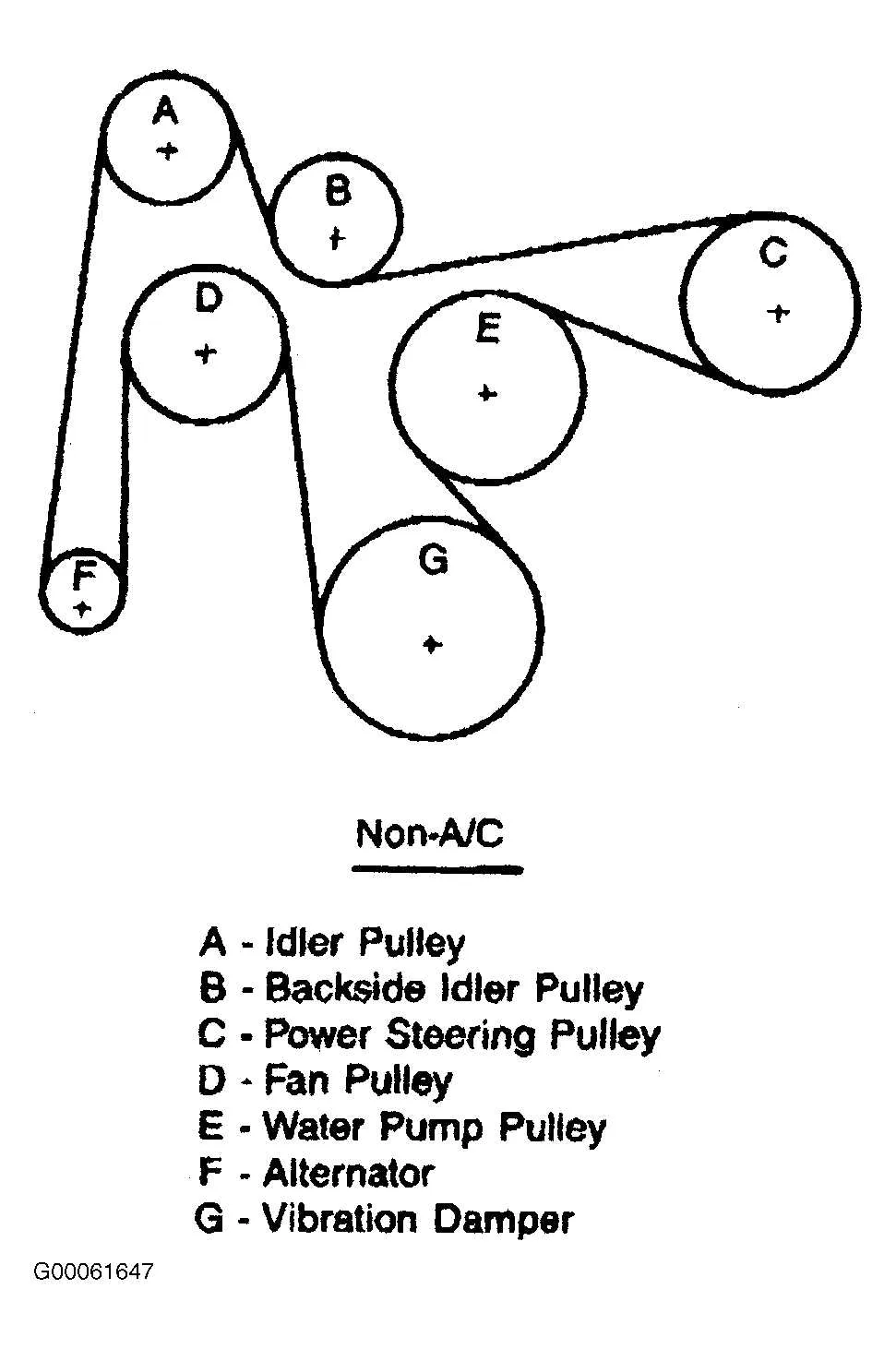
The serpentine belt is located on the front of the engine. Identify the belt routing by checking the diagram on the radiator support or on the engine itself. This will be helpful when reinstalling the new belt.
3. Loosen the Tensioner
Use a socket wrench to move the serpentine belt tensioner. Rotate the tensioner counterclockwise to relieve tension on the belt. Once loosened, slide the belt off the pulleys.
4. Remove the Old Belt
Carefully remove the serpentine belt from the pulleys, making sure to follow the diagram for proper removal sequence.
5. Compare the New Belt
Before installing the new serpentine belt, compare it to the old one to ensure proper fit. Check that the new belt is the correct length and width for your 2007 Jeep Wrangler.
6. Install the New Belt
Following the belt routing diagram, carefully install the new serpentine belt onto the pulleys. Make sure the belt sits properly in the grooves of each pulley.
7. Tighten the Tensioner
Rotate the serpentine belt tensioner clockwise to apply tension to the new belt. Ensure the belt is taut but not overly tight. The tensioner should maintain the correct amount of pressure on the belt.
8. Check the Installation
Double-check the belt’s alignment and tension to ensure it’s properly installed. Start the engine to verify the belt operates smoothly without noise or slippage.
9. Lower the Jeep
Once you’ve confirmed everything is working correctly, lower the Jeep carefully and remove the jack stands. You’re done!