2010 Ford F150 5.4 Serpentine Belt Routing Diagram and Guide

To replace or troubleshoot the serpentine belt on your 2010 Ford F150 with the 5.4L engine, understanding the correct routing diagram is crucial. This diagram illustrates the precise path the belt takes around various engine components, ensuring smooth operation of the alternator, power steering pump, air conditioning compressor, and more. Without it, it’s easy to make mistakes that could cause unnecessary wear on the belt or damage to your vehicle’s components.
Refer to the diagram below to guide you through the belt routing. The serpentine belt should be routed over the crankshaft pulley, under the idler pulley, and over each component in the correct order. Pay special attention to the tensioner, as it plays a key role in keeping the belt taut and preventing slippage. If the belt tension is too loose or too tight, it can lead to problems such as squeaking, poor performance, or even belt failure.
Tip: Before installing a new belt, check the condition of the tensioner and idler pulleys. Worn pulleys can cause the new belt to wear out prematurely. If you’re unsure about the belt’s condition or installation process, it’s always a good idea to consult a repair manual or seek professional assistance.
2010 Ford F150 5.4 Serpentine Belt Diagram
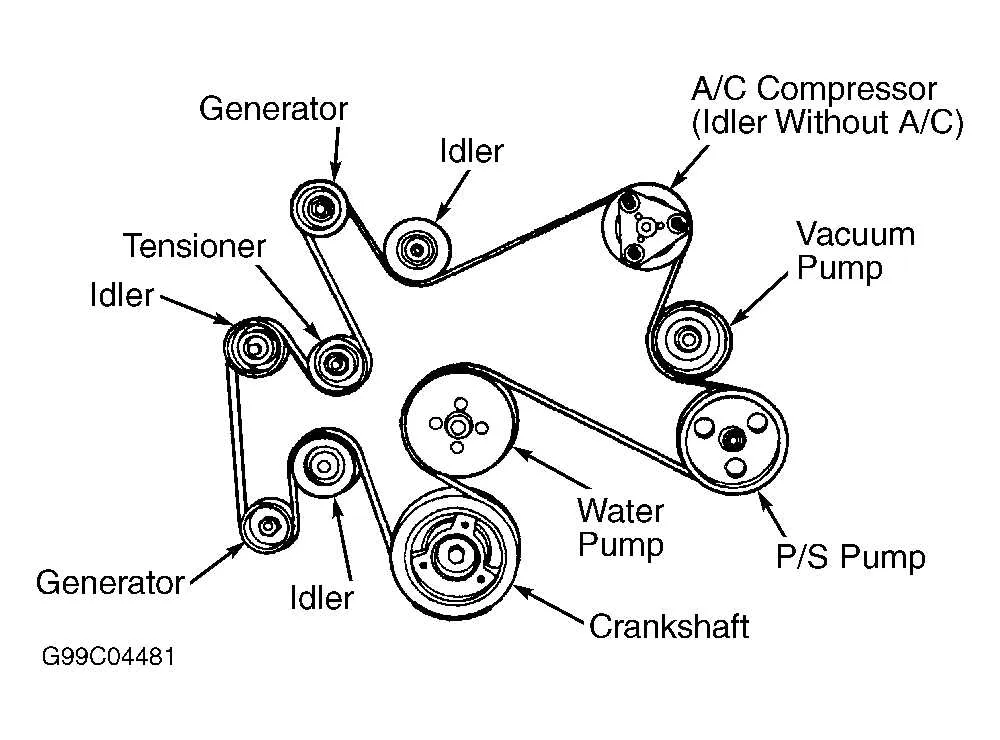
For a precise serpentine belt installation on the 2010 Ford F150 5.4, refer to the diagram for the correct routing. The serpentine belt drives several components including the alternator, power steering pump, water pump, and air conditioning compressor. Getting the correct alignment is key to ensure all components function smoothly.
The serpentine belt is routed over a set of pulleys, with a tensioner pulley maintaining the correct belt tension. Pay attention to the specific order to avoid misalignment and prevent premature wear. For this particular model, the routing includes a specific sequence over the crankshaft, alternator, and other accessories. A misrouted belt may cause overheating, power loss, or damage to engine components.
| Component | Pulley Location |
|---|---|
| Crankshaft Pulley | Bottom, near engine block |
| Alternator | Near top-right side |
| Power Steering Pump | Left side, just above the crankshaft |
| Water Pump | Lower-right side |
| Air Conditioning Compressor | Right side, near the front of the engine |
| Tensioner Pulley | Located on the top left of the engine |
To replace the belt, you can use a 3/8″ drive ratchet on the tensioner to relieve pressure, making it easier to remove the old belt. Once removed, compare the old and new belts for length and width, ensuring they match the specifications for your truck. After installation, double-check the belt routing and make sure it’s tight enough to prevent slipping but not overly tight.
Regular belt inspections are important. A worn serpentine belt can cause noise, squealing, or even complete failure of one or more engine components. Always replace the belt at the recommended interval, or if you notice any visible signs of wear such as cracks or fraying.
How to Properly Route the Serpentine Belt on a 2010 Ford F150 5.4
To route the serpentine belt on a 2010 Ford F150 5.4, start by positioning the belt over the crankshaft pulley. The crankshaft pulley is located at the bottom of the engine and is the largest of the pulleys. Next, route the belt up to the A/C compressor, ensuring the belt sits properly in the grooves of the pulley.
Continue moving the belt up and over the power steering pump pulley. Pay close attention to the tensioner pulley, as it will need to be depressed with a wrench to relieve tension before the belt can be routed around it. The tensioner pulley is located to the right of the A/C compressor and is identifiable by its spring-loaded mechanism.
After passing over the tensioner, move the belt across the alternator pulley and around the water pump pulley. Make sure the belt wraps tightly around each pulley, maintaining a secure fit. The last step is to route the belt over the idler pulley and ensure the belt is aligned with all pulleys without slack.
Once the belt is in place, release the tensioner pulley by removing the wrench. Double-check the alignment to ensure the belt sits properly on all pulleys and isn’t misaligned. Start the engine briefly to confirm that the belt is running smoothly without slipping or making excessive noise.
Identifying Common Issues with the Serpentine Belt on 2010 Ford F150 5.4
If your 2010 Ford F150 5.4 is experiencing unusual noises or performance problems, the serpentine belt could be the culprit. A worn or damaged serpentine belt may cause issues such as squealing sounds, power steering failure, or alternator malfunction. These problems are often a result of belt wear, misalignment, or defective tensioners.
One common issue is belt slippage. This occurs when the belt fails to maintain proper tension, causing it to slip over pulleys. This can lead to poor performance in essential systems like air conditioning, power steering, and charging. Check the belt for visible wear, such as cracks or fraying. If these signs are present, it’s time to replace the belt.
Another problem is belt misalignment. This can happen due to a worn-out pulley, damaged tensioner, or improper installation. Misalignment leads to uneven wear and can cause the belt to break prematurely. A quick visual inspection of the pulleys and belt alignment can reveal any issues that need attention.
A faulty tensioner is another common concern. The tensioner keeps the serpentine belt at the correct tension, and if it fails, the belt will either become too loose or too tight. A loose belt will slip, while an overly tight belt can damage other components. You can check the tensioner by observing the belt’s movement. If it wobbles or shifts excessively, replacing the tensioner will solve the problem.
Lastly, pay attention to the noise the belt makes. A squeaking or squealing sound is often the result of friction between the belt and the pulleys. This can be caused by dirt accumulation or worn-out components like pulleys or tensioners. Cleaning the pulleys and replacing worn parts can eliminate these noises and restore proper belt function.
Step-by-Step Guide to Replacing the Serpentine Belt on a 2010 Ford F150 5.4
Replacing the serpentine belt on your 2010 Ford F150 5.4 is a straightforward process if you follow these steps carefully.
- Gather the necessary tools: You’ll need a socket wrench, serpentine belt tool or breaker bar, a new serpentine belt, and a belt routing diagram (usually found on the radiator support or engine bay).
- Locate the tensioner pulley: The serpentine belt is kept tight by a tensioner pulley. Use the appropriate tool to relieve tension on the belt.
- Remove the old belt: With the tensioner pulley relieved, slide the old serpentine belt off the pulleys, making sure to note the belt’s routing for proper installation.
- Inspect the pulleys: Before installing the new belt, check the condition of all pulleys. If you notice any wear or damage, replace the affected pulleys.
- Install the new serpentine belt: Lay the new belt over the pulleys according to the routing diagram. Make sure the belt is seated properly in the grooves of each pulley.
- Apply tension: Using the tool on the tensioner pulley, restore tension to the belt. Ensure the belt is tight but not overly strained.
- Check alignment: Double-check the belt’s alignment on each pulley. Ensure it runs straight and sits properly in each groove.
- Start the engine: Start the truck and observe the belt as it runs. Listen for any unusual noises or signs that the belt might not be aligned correctly.
If everything looks good and the engine runs smoothly, you’ve successfully replaced the serpentine belt on your F150!