Complete 2011 Jeep Liberty Belt Routing Diagram for Accurate Maintenance and Repair
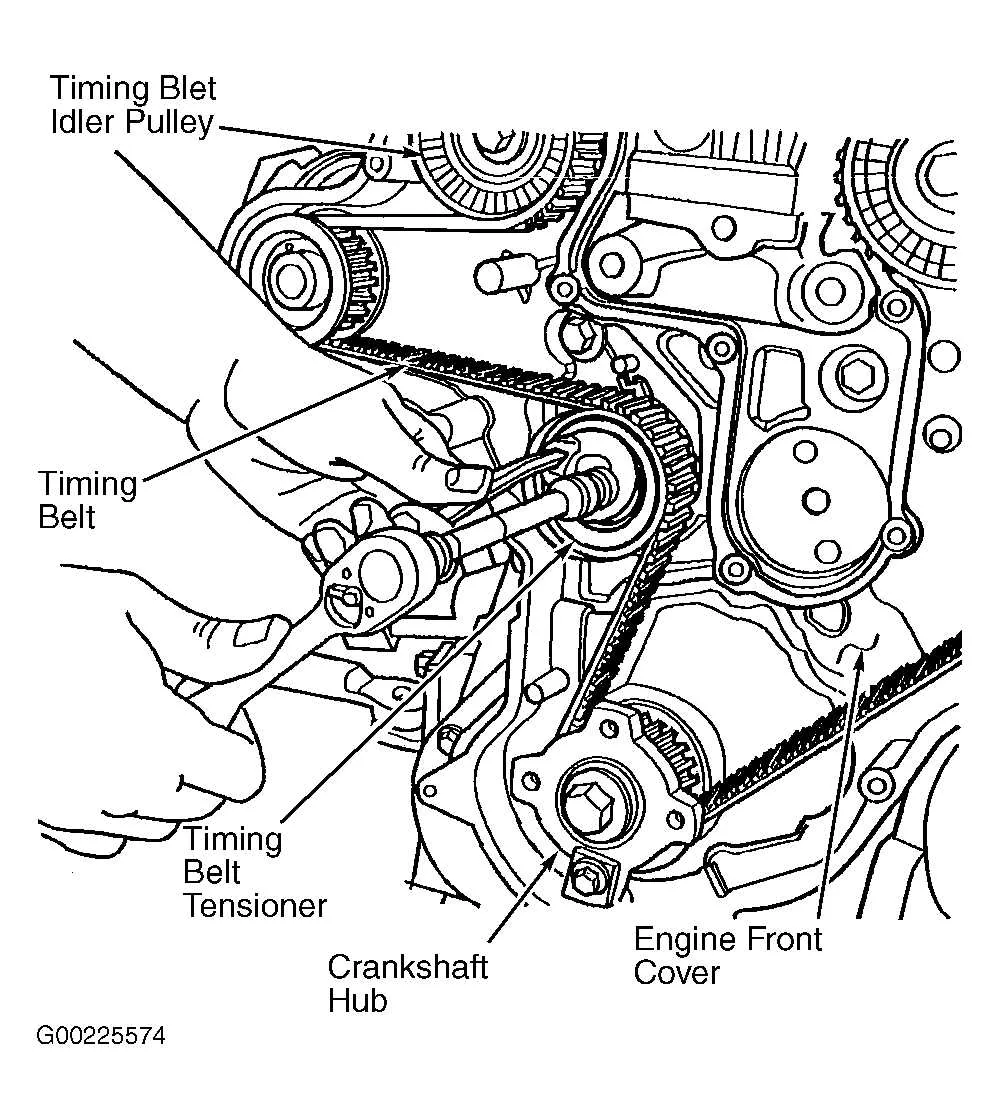
Locate your belt routing quickly by referring to the manufacturer’s diagram for the 2011 Jeep Liberty. The diagram clearly shows the path for the serpentine belt, including connections to the alternator, power steering pump, air conditioning compressor, and crankshaft pulley. This precise mapping reduces installation errors and avoids unnecessary wear on components.
Confirm part compatibility before replacing the belt. The 2011 Jeep Liberty uses a serpentine belt with a specific length of 102 inches and 6 ribs. Check the belt model number printed on the old belt or consult your vehicle’s manual. Using an incorrect belt can cause misalignment, slipping, or premature failure of accessories.
Follow safe replacement steps. Disconnect the battery before removing the belt to prevent accidental shorts. Use a serpentine belt tool or appropriate wrench to relieve tension on the tensioner pulley. Carefully follow the diagram to route the new belt, ensuring all pulleys align correctly. Double-check tension before starting the engine.
Reference the belt diagram often during maintenance to prevent mistakes. Keeping a printed or digital version in your glove compartment can save time during future repairs. Proper belt routing not only ensures optimal engine performance but also prolongs the lifespan of your 2011 Jeep Liberty’s accessory systems.
2011 Jeep Liberty Belt Diagram
Locate the serpentine belt routing diagram inside the engine compartment, usually near the radiator support or under the hood latch. For the 2011 Jeep Liberty with a 3.7L V6 engine, the belt follows a precise path over the crankshaft pulley, alternator, power steering pump, water pump, and A/C compressor.
The correct routing sequence is: crankshaft pulley → tensioner pulley → A/C compressor → idler pulley → alternator → water pump → power steering pump → back to crankshaft pulley. Confirm tensioner alignment before final installation to avoid premature belt wear.
Use a wrench or serpentine belt tool to relieve tension on the tensioner pulley and slide the belt into position. Ensure each pulley groove matches the belt ribs exactly to prevent slippage and noise. Check the belt for cracks or fraying and replace if necessary.
After installation, rotate the crankshaft manually to verify proper alignment. Run the engine for a few minutes and inspect belt tracking and tension. Proper belt installation enhances performance and extends component life.
Locating and Identifying Belt Components
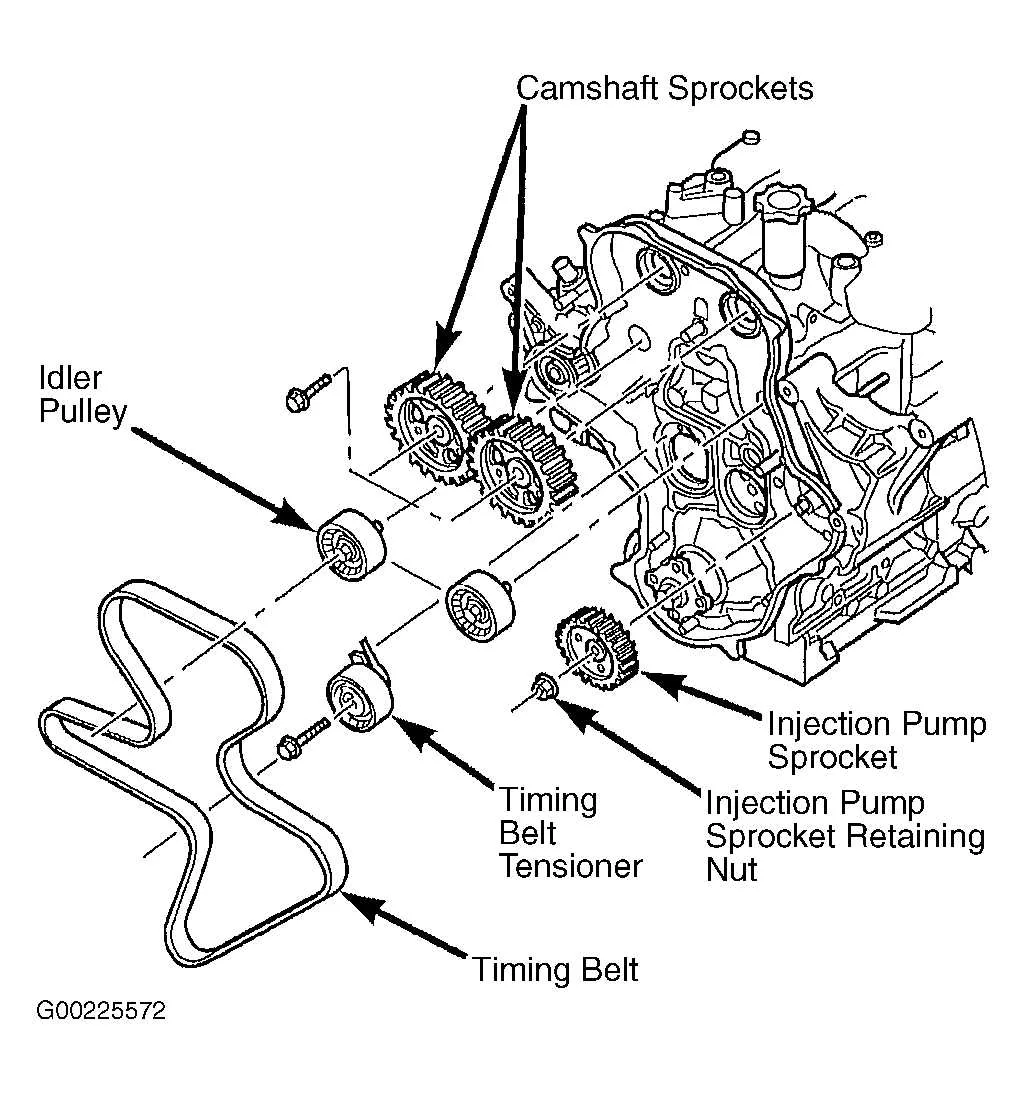
Consult the 2011 Jeep Liberty belt diagram to pinpoint the exact position of each component before inspection or replacement. Begin at the crankshaft pulley, usually located at the bottom center of the engine, as it drives all belt-driven accessories. From there, trace the belt path to locate the alternator, which sits near the upper driver side, and the power steering pump, positioned lower and slightly forward of the alternator.
Next, identify the idler pulleys and tensioner. The idler pulleys maintain proper belt alignment and can be distinguished by their smooth surface and fixed mounting points. The tensioner pulley is spring-loaded and often marked with an arrow or a tension indicator. Confirm its location using the diagram, typically near the center of the belt path, opposite the crankshaft pulley.
Locate the air conditioning compressor pulley toward the passenger side of the engine bay, usually below the alternator. Verify each pulley against the diagram to ensure accuracy. Use a flashlight for better visibility in tight spaces, and mark each component with chalk or a removable marker to avoid confusion during reassembly.
Finally, double-check the belt routing against the diagram before removal. This prevents misrouting that could cause noise, reduced performance, or damage to components. Keeping a printed version of the diagram in the work area streamlines the process and ensures correct identification every time.
Step-by-Step Belt Replacement Process
Loosen the tensioner pulley using a 3/8-inch ratchet or breaker bar to relieve pressure on the serpentine belt. Carefully slide the old belt off pulleys following the diagram for a 2011 Jeep Liberty. Keep note of the routing to avoid errors during installation.
Inspect each pulley and the tensioner for wear or damage. Replace any worn components before installing the new belt to ensure proper function and extend belt life. Check alignment to prevent premature wear.
Position the new serpentine belt on the pulleys according to the correct routing diagram for your model. Ensure the belt sits fully in the pulley grooves without twisting. Confirm proper alignment on all components before applying tension.
Rotate the tensioner back into place to apply pressure to the belt. Double-check that the belt is seated correctly across every pulley. Start the engine briefly to observe belt operation and listen for unusual noises indicating misalignment or improper tension.
After testing, shut off the engine and recheck the belt tension. Tighten mounting bolts if necessary and secure any covers removed during the process. Maintain a record of replacement intervals for future reference.
Troubleshooting Common Belt Issues
Inspect the serpentine belt on your 2011 Jeep Liberty regularly for cracks, fraying, or glazing. Replace it immediately if any damage appears to prevent failure and avoid costly repairs.
Follow these targeted steps to identify and resolve belt problems:
- Noise diagnosis: Squealing often indicates belt misalignment or wear. Check tensioner alignment and belt condition. Replace the belt if grooves appear worn.
- Loss of performance: Slipping belts reduce alternator efficiency and air conditioning output. Test tension using a belt gauge; replace if tension falls below manufacturer specifications.
- Visible damage: Look for cracks wider than 1/32 inch or deep grooves. Replace belts showing signs of oil contamination, as oil accelerates deterioration.
Maintain a replacement schedule: the Jeep Liberty’s serpentine belt generally lasts 60,000–90,000 miles. Use the manufacturer’s belt diagram for correct routing during installation.
Check pulleys and tensioners simultaneously. Worn pulleys or weak tensioners can cause belt noise and premature wear. Replace defective components along with the belt.
Confirm belt installation with a belt routing diagram specific to the 2011 Jeep Liberty. Misrouting can cause overheating, charging issues, or accessory failures.