2008 Ford Escape Serpentine Belt Routing Diagram and Maintenance Guide
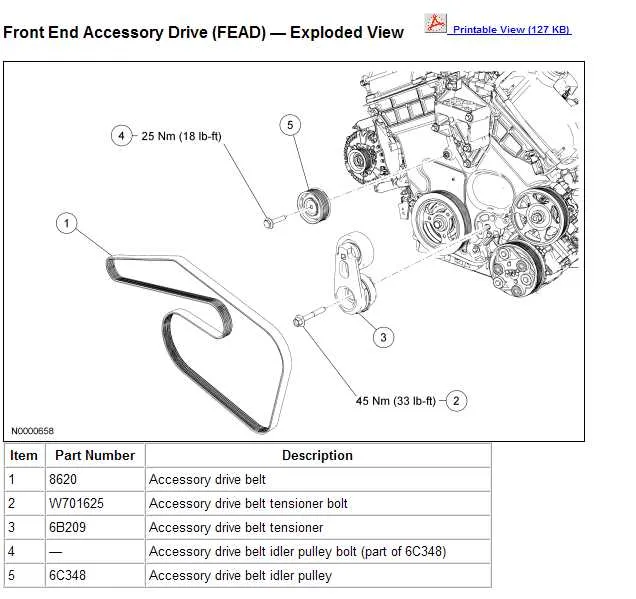
When troubleshooting belt issues on your 2008 Ford Escape, it’s crucial to have the correct belt diagram. The serpentine belt system drives multiple engine components, such as the alternator, power steering pump, and air conditioning compressor. If your Escape’s belt slips, squeals, or breaks, having the right diagram can save time and prevent further damage.
The belt routing diagram for the 2008 Ford Escape can be found on the underhood label or in the vehicle’s manual. It shows the exact path the serpentine belt follows around various pulleys. Refer to the diagram to ensure proper tension and alignment, and avoid misrouting that could lead to performance issues.
Before replacing the belt, inspect it for wear signs such as cracking, fraying, or glazing. A worn belt can put unnecessary stress on other components, leading to expensive repairs. Always double-check the routing according to the diagram to avoid incorrect installation, which could damage the engine accessories.
For those tackling the replacement at home, make sure to have a tensioner tool to release the belt tension. Follow the diagram carefully, starting from the crankshaft pulley, and ensure that the belt is routed in a way that all pulleys turn smoothly. If you’re unsure about the process, consulting a repair manual or a professional mechanic might be the safest route.
2008 Ford Escape Belt Diagram
The 2008 Ford Escape uses a serpentine belt system that powers multiple engine components. The diagram outlines the exact routing of the belt, ensuring that each part operates smoothly and efficiently. If you’re replacing or inspecting the belt, follow this specific routing to avoid damage to any of the components.
The belt connects the alternator, power steering pump, air conditioning compressor, and water pump to the engine’s crankshaft pulley. Be sure to check the belt for any signs of wear, cracks, or fraying. A worn-out belt can cause a loss of power or lead to engine overheating due to the failure of critical components.
Here’s the basic routing for the serpentine belt on the 2008 Ford Escape:
- The belt starts from the crankshaft pulley.
- It wraps around the air conditioning compressor, which sits at the front of the engine.
- Next, it passes over the alternator pulley to keep the charging system working.
- The belt continues over the power steering pump pulley for smooth steering operation.
- Lastly, it loops around the water pump pulley to maintain proper engine cooling.
If replacing the belt, check the belt tensioner. A worn-out tensioner can lead to insufficient belt tension and possible slippage, affecting engine performance. Tighten or replace the tensioner if needed.
For clarity, always refer to the vehicle’s specific service manual when replacing or inspecting the serpentine belt to ensure accuracy in the belt routing.
How to Read the 2008 Ford Escape Serpentine Belt Diagram
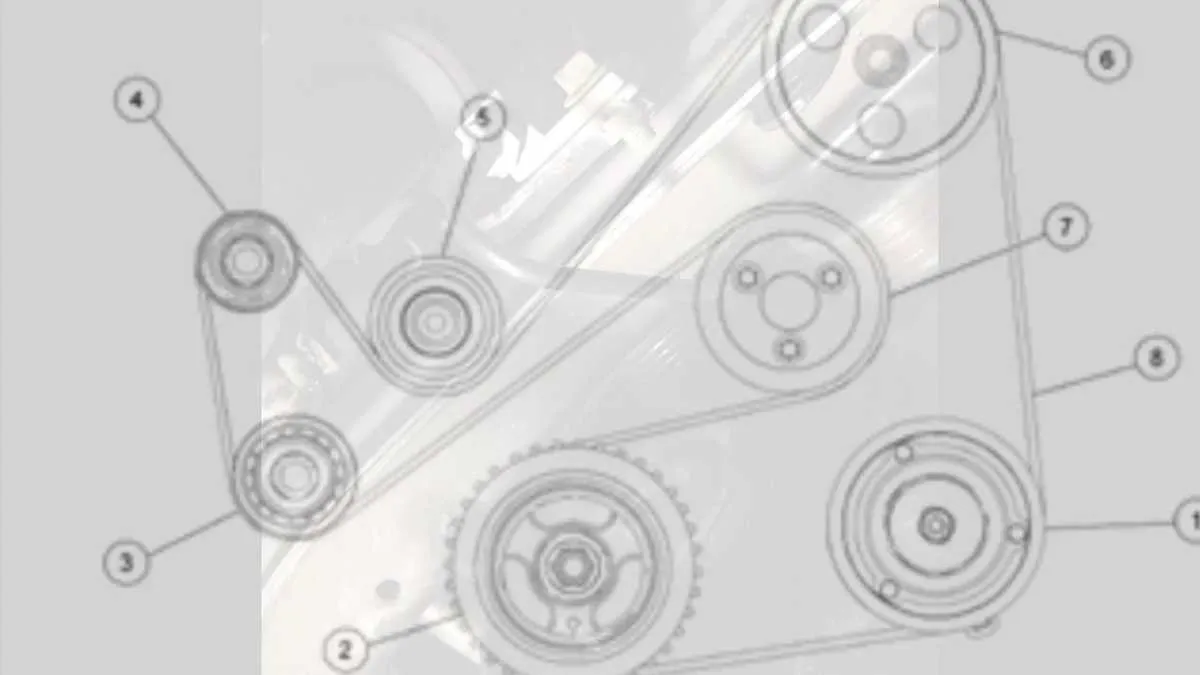
To read the 2008 Ford Escape serpentine belt diagram, focus on understanding the key components listed and how the belt interacts with them. The diagram shows the belt routing, starting from the crankshaft pulley, which powers multiple accessories like the alternator, power steering pump, and air conditioning compressor. Each pulley, tensioner, and idler is labeled for easy identification.
Begin by identifying the crankshaft pulley at the bottom of the diagram. The belt loops around it first. Next, locate the alternator pulley, which is one of the primary components driven by the belt. After that, the diagram will show the path the belt takes around the power steering pump pulley and then onto the air conditioning compressor. Other components, such as the tensioner and idler pulleys, will be represented as small circles along the belt route. These are responsible for maintaining the correct belt tension and ensuring smooth operation.
The tensioner pulley is a key part of the system and will typically be marked as “tensioner” or “adjuster.” This pulley moves to maintain belt tension automatically. Pay attention to the direction of the arrow or rotation indicators, which show the direction the belt should move when the engine is running.
If you’re replacing the serpentine belt, refer to the diagram to ensure the new belt is routed correctly. Double-check that all pulleys are aligned, and the belt sits securely in place. If the diagram shows any unusual wear on certain pulleys, make sure to inspect them for damage or failure.
By following the diagram step-by-step, you can quickly grasp how the belt interacts with the engine components and ensure proper installation or troubleshooting.
Common Issues with the 2008 Ford Escape Belt System and How to Fix Them
If the serpentine belt on your 2008 Ford Escape is making noise or has worn out, it’s often a sign of bigger problems. A common issue is belt slippage, usually caused by a worn-out tensioner or pulley. If you notice squealing noises, check the tensioner for wear. If it feels loose or wobbly, replacing it will restore the belt’s proper tension and stop the slippage.
The serpentine belt itself can also crack or fray over time. This happens because of exposure to extreme temperatures or poor maintenance. Inspect the belt for visible signs of wear. If you see cracks or fraying, replace it immediately to avoid it breaking while driving. Using high-quality belts that meet OEM specifications will help reduce the likelihood of premature wear.
Another issue is pulley misalignment, which can cause uneven wear on the belt. Misalignment often occurs due to a failed bearing or damaged pulley. If you notice uneven wear patterns on the belt, inspect the pulleys for damage. Replace any faulty pulleys and ensure all components are properly aligned before installing a new belt.
Finally, some owners report issues with the air conditioning compressor, which can affect belt performance. If the compressor becomes seized or faulty, it puts extra strain on the belt. In this case, disconnecting the AC compressor from the serpentine system or replacing the faulty compressor will prevent damage to the belt and other components.
Step-by-Step Guide to Replacing the Serpentine Belt on a 2008 Ford Escape
Replace the serpentine belt in your 2008 Ford Escape by following these clear steps. It’s a manageable task if you have basic tools and some mechanical knowledge.
- Prepare the vehicle: Park your Escape on a flat surface, engage the parking brake, and disconnect the negative terminal of the battery to avoid any electrical accidents.
- Locate the serpentine belt: Open the hood and locate the serpentine belt on the front of the engine. It wraps around several pulleys, including the alternator, power steering pump, and water pump.
- Release tension from the belt: Use a ratchet wrench and the appropriate socket to move the tensioner pulley. This will relieve the tension on the belt. Once the belt is loose, remove it from the pulleys.
- Inspect the pulleys and tensioner: Before installing the new belt, check the condition of the pulleys and tensioner. If any parts show signs of wear or damage, replace them before installing the new belt.
- Install the new serpentine belt: Refer to the belt routing diagram under the hood to ensure proper placement of the new belt. Start by threading the belt over the pulleys, leaving the tensioner pulley for last.
- Apply tension: Once the belt is in place, use the ratchet to move the tensioner pulley again, allowing it to apply tension to the new belt. Double-check the belt is properly aligned on all pulleys.
- Reconnect the battery: Reconnect the negative terminal of the battery and make sure everything is secure.
- Test the system: Start the engine and let it idle. Check for any unusual noises or issues with the belt’s operation. Ensure that the belt runs smoothly and is properly aligned.
With these steps completed, you’ll have successfully replaced the serpentine belt on your 2008 Ford Escape. Regular maintenance of the belt can help avoid more significant engine issues down the road.