John Deere L100 Deck Belt Diagram Guide for Proper Installation and Maintenance
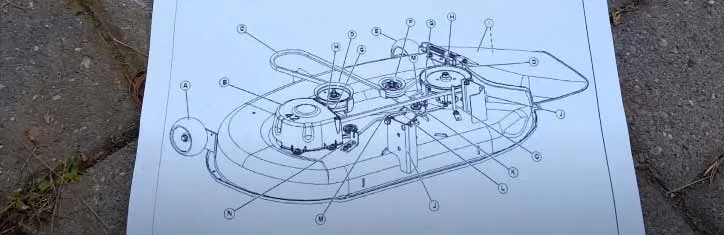
Refer to the deck belt diagram when replacing or adjusting the belt on your John Deere L100. The diagram identifies the routing path across the mandrel pulleys, idlers, and engine pulley, ensuring correct alignment and tension.
Use the diagram to locate each pulley by size and position. The idler pulleys maintain proper tension, while the mandrel pulleys drive the mower blades. Incorrect routing can lead to uneven blade rotation, slipping, or premature wear on the belt.
Before installation, inspect the belt for cracks, fraying, or stretching. The diagram allows you to match the belt type and length accurately to the L100 deck model. Tighten tensioners gradually while following the routing path to maintain consistent pressure across all pulleys.
Regularly check the belt against the diagram during maintenance. Proper alignment reduces vibration and protects both the engine and deck components. Keep the diagram accessible for seasonal adjustments or when replacing additional deck parts, ensuring smooth operation throughout the mowing season.
John Deere L100 Deck Belt Diagram Detailed Guide for Proper Installation and Maintenance
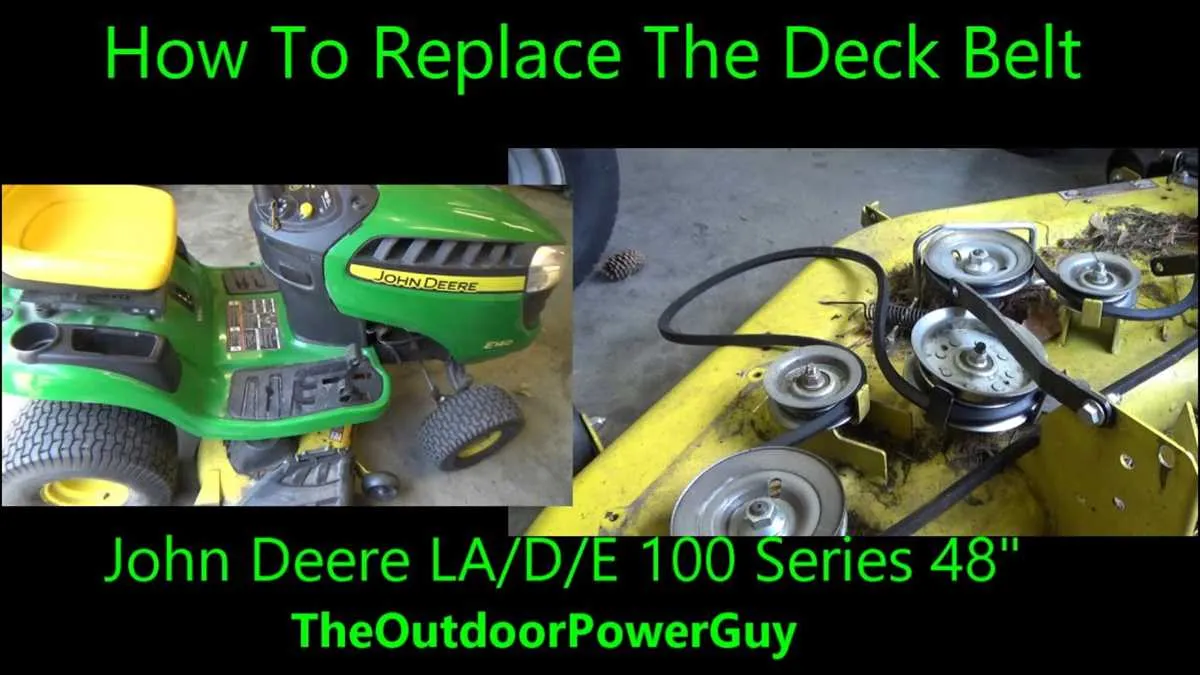
Place the mower deck on a flat surface and ensure the tractor is turned off with the parking brake engaged before beginning belt work. Locate the idler pulleys and tension spring according to the deck belt diagram specific to the L100 model.
Begin by threading the belt around the mower blade spindles, following the exact routing in the diagram. Loop the belt over the engine pulley, then around the idler pulleys, keeping the belt aligned with each groove. Ensure the belt sits fully in each pulley groove to prevent slippage.
Apply tension to the belt by adjusting the idler pulley and tension spring. Pull the spring into position, then verify that the belt maintains contact with all pulleys without excess slack. Check that the idler arm moves smoothly and the spring retains proper tension throughout the pulley path.
Rotate the pulleys manually to confirm the belt tracks correctly. The belt should spin freely on the engine and idler pulleys without rubbing against the deck housing or adjacent components. Inspect the belt for fraying, cracks, or glazing and replace immediately if damage is present.
Perform a test run by engaging the PTO for a few seconds to observe belt movement. Recheck tension and alignment after the initial run, adjusting the idler and spring as necessary. Regularly clean debris from under the deck and inspect belt condition every 25 operating hours to maintain consistent performance.
Understanding the Layout and Routing of the L100 Deck Belt
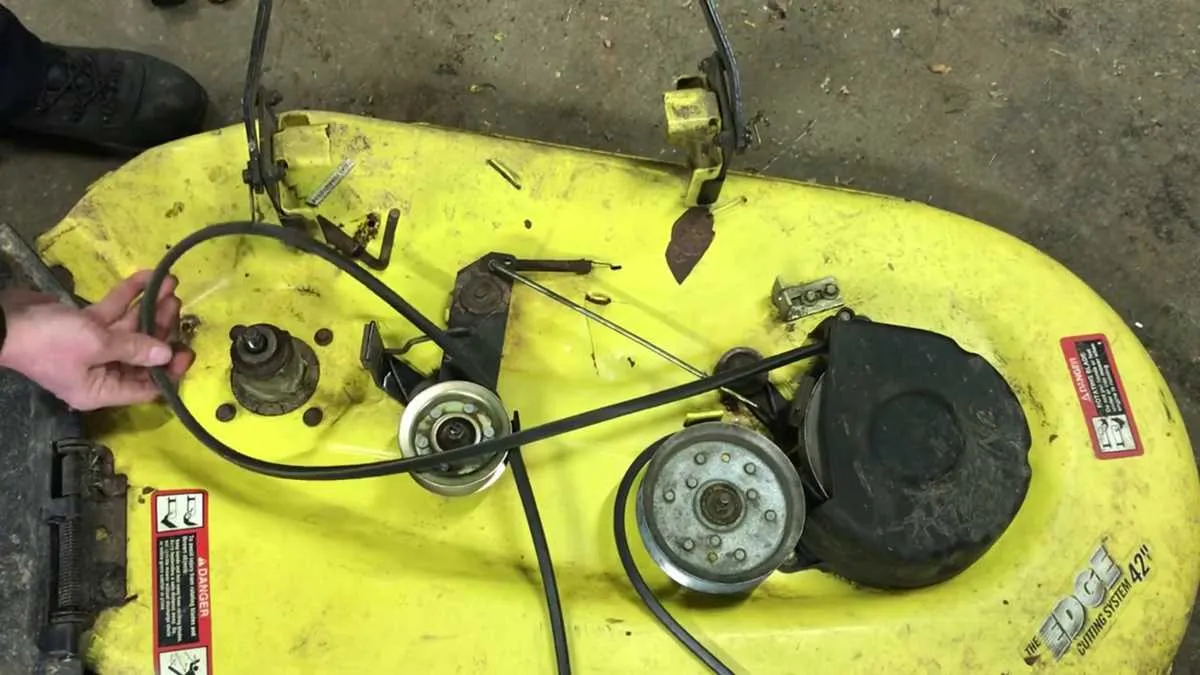
Position the L100 deck belt around the engine pulley first, ensuring it sits securely in the groove. Route the belt clockwise to the idler pulleys, keeping tension on the belt while avoiding twists or overlaps. Follow the diagram carefully, passing the belt under the deck spindles to maintain proper cutting deck operation. Each spindle pulley must engage the belt smoothly, allowing free rotation without slippage. Ensure the belt loops around the deck drive pulley correctly, maintaining alignment with the tensioner spring to prevent premature wear. Check that the belt sits flat along all contact points and adjust the idler positions if necessary to maintain consistent tension. Regular inspection of the belt path for fraying or misalignment helps sustain optimal mower performance and prolongs the belt’s service life.
Step-by-Step Instructions for Replacing the Deck Belt
Begin by disconnecting the spark plug to prevent accidental engine start. Lower the mower deck to its lowest position and remove any debris around the pulleys and belt path.
Release tension from the idler pulley using a wrench or socket to create slack in the belt. Carefully slide the old belt off the mower deck pulleys, noting the routing pattern for reference.
Position the new deck belt around the mower deck spindles and main drive pulley, following the exact routing observed. Ensure the belt sits correctly in all pulley grooves without twisting or overlapping.
Apply pressure to the idler pulley to re-engage tension on the belt. Verify the belt moves smoothly and maintains contact with all pulleys while rotating them by hand.
Double-check that the belt follows the proper routing under all deck brackets and through the idler system. Adjust alignment if the belt shows signs of misplacement or slack.
Reconnect the spark plug, engage the mower deck, and perform a short test run. Listen for unusual noises and inspect the belt for consistent motion and tension. Make final adjustments to the idler pulley if necessary.
Troubleshooting Common Issues with the L100 Deck Belt
Inspect the deck belt immediately if the mower shows uneven cutting or slipping. A worn or cracked belt is the most frequent cause of poor performance. Replace any belt showing visible fraying, deep cracks, or missing segments.
Check belt tension regularly. A loose belt can slip off pulleys or reduce cutting power. Adjust the tension by loosening the deck mounting bolts and repositioning the idler pulleys to achieve proper tautness.
Ensure pulleys rotate freely. Stiff or seized pulleys increase wear on the belt and reduce efficiency. Remove debris, clean bearings, and replace any pulleys that exhibit excessive wobble or noise.
Examine alignment of the deck belt path. Misrouted belts can slip or wear unevenly. Compare the routing against the official John Deere L100 diagram, confirming the belt follows each pulley correctly without twisting.
Address noise issues such as squealing or chirping by checking for belt glazing or contamination. Oil, grass clippings, and moisture on the belt surface can reduce grip. Clean the belt and pulleys thoroughly and consider replacing a glazed belt.
Replace the deck belt if multiple issues appear simultaneously, such as fraying, stretching, and misalignment. Using a high-quality OEM belt ensures correct fit and maintains proper cutting performance.
- Inspect belt condition every 25 hours of use.
- Verify pulley rotation and alignment monthly.
- Maintain proper tension to prevent slippage and wear.
- Keep belt and deck components clean and free of debris.
- Use OEM replacement belts for consistent performance.