Suzuki SX4 Serpentine Belt Diagram Clear Guide for Proper Installation and Routing
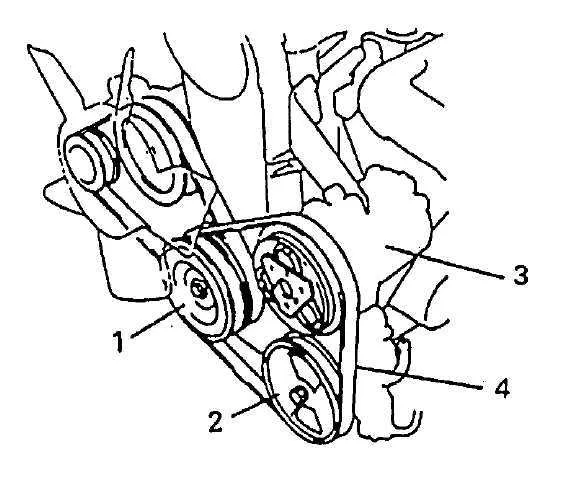
Locate the serpentine belt routing diagram under the hood or in the vehicle’s service manual to ensure correct installation. The SX4 uses a single belt to drive multiple components including the alternator, power steering pump, and air conditioning compressor. Align the belt with all pulleys precisely to prevent slipping or premature wear.
Inspect the belt for cracks, fraying, or glazing before installation. Tension should be adjusted according to the manufacturer’s specification, typically measured using a belt tension gauge. Avoid twisting or forcing the belt over pulleys, as this can damage internal cords and reduce lifespan.
Replace the belt at regular intervals, generally between 60,000 and 100,000 miles, or sooner if visible wear appears. Keep the pulleys clean and free from oil or debris, as contamination can lead to belt noise or failure. Check idler and tensioner pulleys for smooth rotation to maintain proper belt alignment and function.
Follow the diagram carefully when reinstalling to maintain the correct routing path. Marking the old belt’s route with chalk or tape can simplify replacement. Verify that the belt sits correctly in all pulley grooves after installation to prevent misalignment and engine accessory malfunction.
Suzuki SX4 Serpentine Belt Diagram Practical Reference
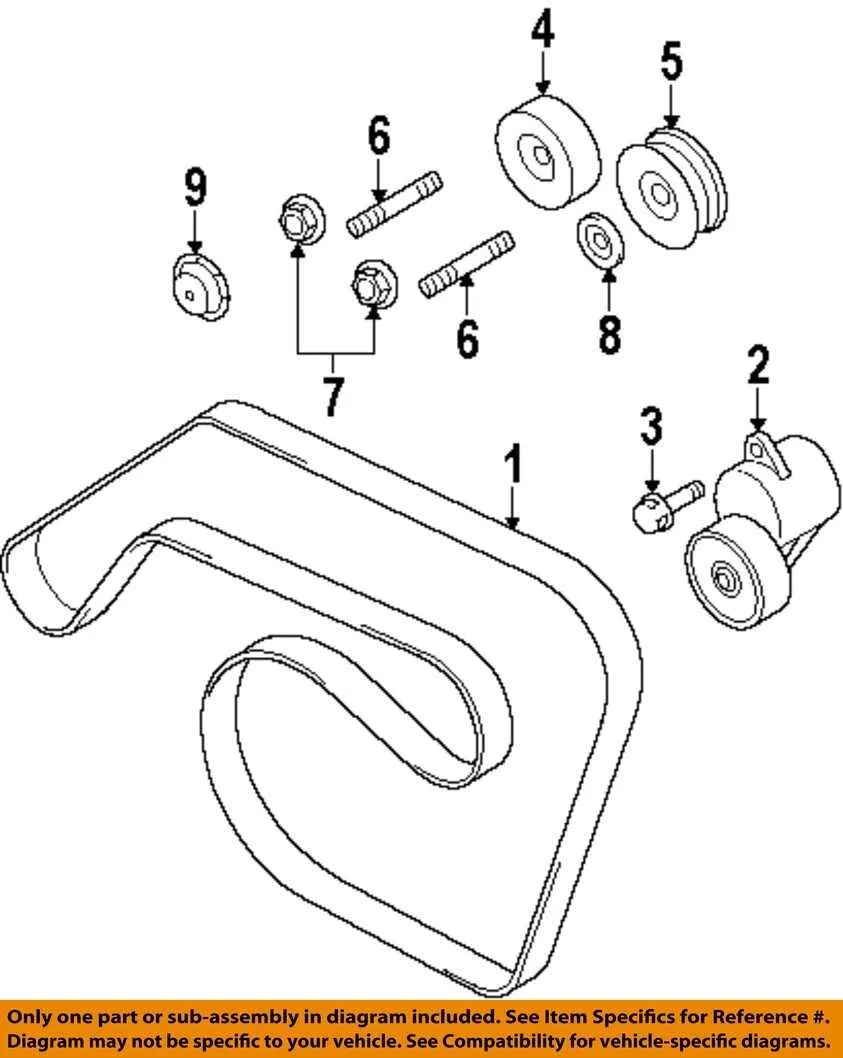
Consult the belt diagram before attempting any maintenance to ensure correct routing. On the 2007–2014 Suzuki SX4 with the 2.0L engine, the serpentine belt drives the alternator, power steering pump, and A/C compressor, following a specific path over each pulley. Identify the tensioner pulley at the front-right of the engine; releasing it with a 14mm wrench allows belt removal without damaging components.
Position the belt along the crankshaft pulley first, then loop it around the alternator, A/C compressor, and power steering pulleys according to the diagram. Make sure the belt sits properly in each pulley groove, avoiding misalignment that can cause squealing or premature wear. Check for cracks, fraying, or glazing before installation; a worn belt should be replaced rather than reused.
After installing, rotate the engine manually two complete turns to verify proper alignment and tension. The tensioner should apply even pressure without excessive slack. Confirm that all pulleys spin freely and the belt maintains consistent contact across all grooves. Keep a printed diagram or a photo of the routing in the glove compartment for future reference during inspections or replacements.
Locate and Identify All Pulleys in Suzuki SX4 Engine
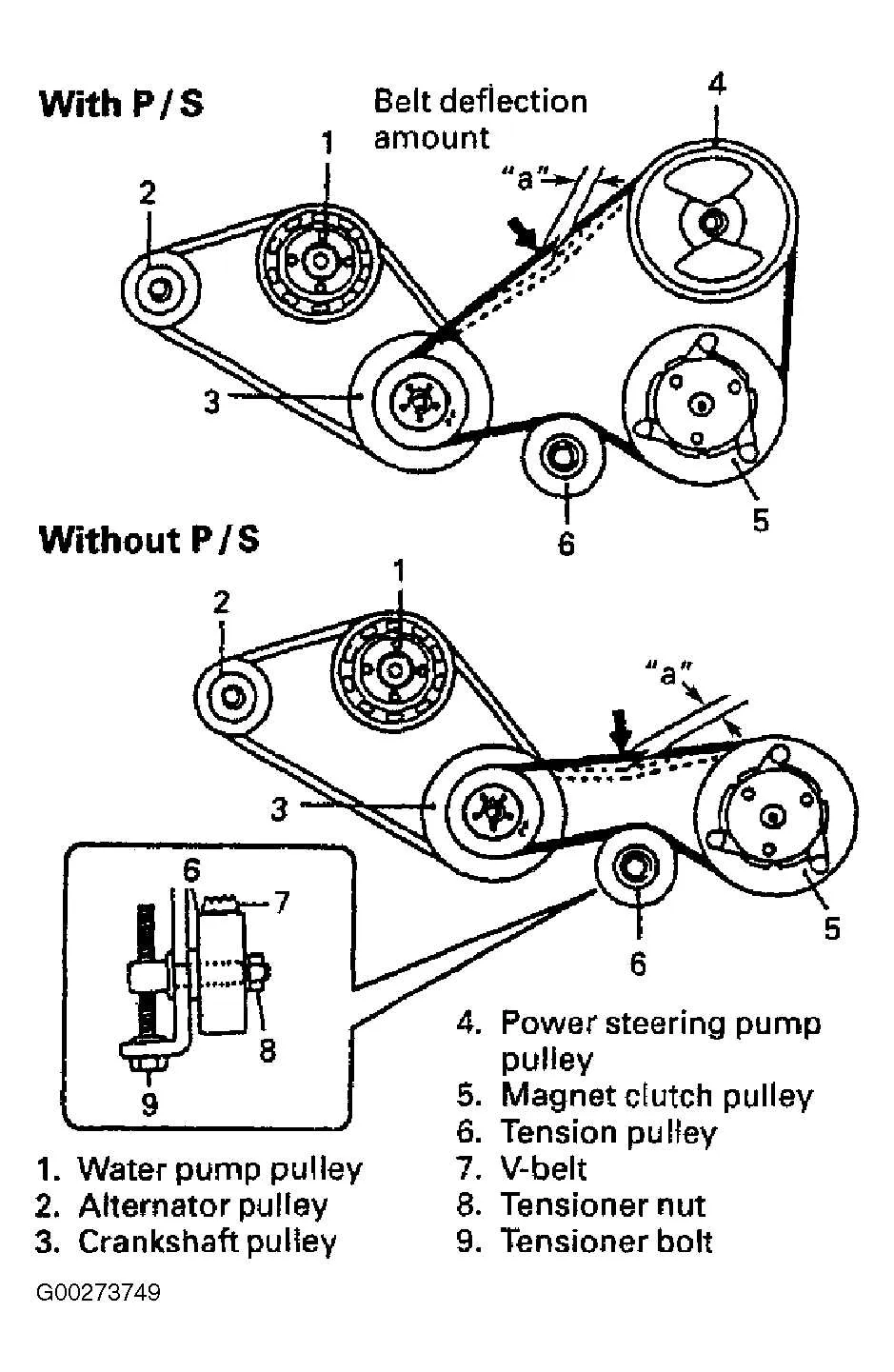
Begin by placing the vehicle on a flat surface and securing it. Locate the crankshaft pulley at the bottom center of the engine; it drives all accessory belts and serves as the main reference point for belt routing. Above and to the side, identify the alternator pulley, typically mounted on the upper front side, which powers electrical components.
Next, find the power steering pump pulley on the driver’s side, recognizable by its larger diameter and connection to the steering pump. On the opposite side, locate the air conditioning compressor pulley, usually attached with bolts and often slightly recessed. Ensure the belt path matches the pulley alignment.
Identify the tensioner pulley near the center of the accessory belt system; it maintains correct belt tension and is spring-loaded. Locate the idler pulley positioned to guide the belt smoothly around tight corners and reduce slack. Both tensioner and idler pulleys rotate freely and are smaller than main drive pulleys.
Verify all pulleys spin without wobbling or unusual resistance. Mark their positions mentally or with removable chalk for reference during belt installation. Confirm pulley alignment visually to prevent premature belt wear and maintain engine performance.
Step by Step Serpentine Belt Routing Instructions
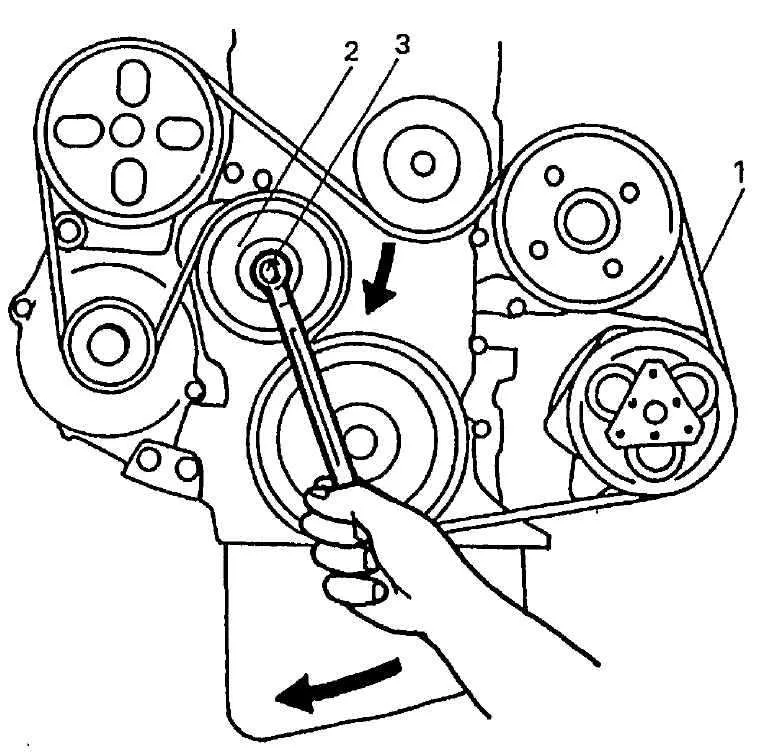
Begin by locating the tensioner pulley on the Suzuki SX4 engine. Use a wrench to rotate the tensioner clockwise and relieve tension on the old belt. Remove the belt carefully, noting its routing across each pulley.
Inspect all pulleys for wear or damage. Replace any pulley that shows cracks, excessive wobble, or rough rotation. Clean the pulley grooves to ensure proper belt alignment.
Place the new serpentine belt over the crankshaft pulley first, making sure it sits fully in the groove. Route the belt around the alternator pulley next, maintaining proper tension along the path. Follow the diagram carefully to loop the belt around the power steering, water pump, and A/C compressor pulleys, keeping the belt aligned in each groove.
Leave the tensioner pulley for last. Rotate the tensioner again to allow the belt to slip over it smoothly. Release the tensioner slowly, ensuring the belt seats correctly on all pulleys. Double-check the routing against the factory diagram to confirm proper alignment.
Start the engine for a brief moment and observe the belt movement. Look for any misalignment, slipping, or noise. If everything runs smoothly, shut off the engine and inspect the belt once more to confirm it remains properly seated on every pulley.
Troubleshoot Common Belt Wear and Alignment Issues
Inspect the serpentine belt for cracks, fraying, or missing ribs. Use a flashlight to check the inner grooves and edges for uneven wear. Replace the belt immediately if you notice significant damage or glazing.
Check belt tension using a tension gauge or by applying moderate pressure at the midpoint of the longest span. The belt should deflect about 10–12 mm (0.4–0.5 in) for most SX4 engines. Over-tightened belts can stress pulleys, while loose belts slip and generate noise.
Verify pulley alignment visually and with a straightedge. All pulleys, including the crankshaft, alternator, tensioner, and idler, must sit in the same plane. Misaligned pulleys cause uneven wear and can shred the belt quickly.
Listen for squealing or chirping noises during startup or acceleration. These sounds indicate slipping or misalignment. Check the tensioner spring and replace if it fails to maintain proper pressure.
- Inspect all pulleys for wobble or rough bearings. Spin each pulley by hand; it should rotate smoothly without grinding.
- Clean pulleys from debris, oil, or coolant contamination that reduces friction and accelerates wear.
- Ensure the belt follows the exact routing shown in the SX4 serpentine diagram. Improper routing can overload certain pulleys and cause early failure.
After adjustments or replacement, run the engine and observe the belt for smooth operation. Recheck tension and alignment after 50–100 km (30–60 miles) of driving to catch minor shifts early.