2010 Nissan Rogue Serpentine Belt Diagram and Routing Guide
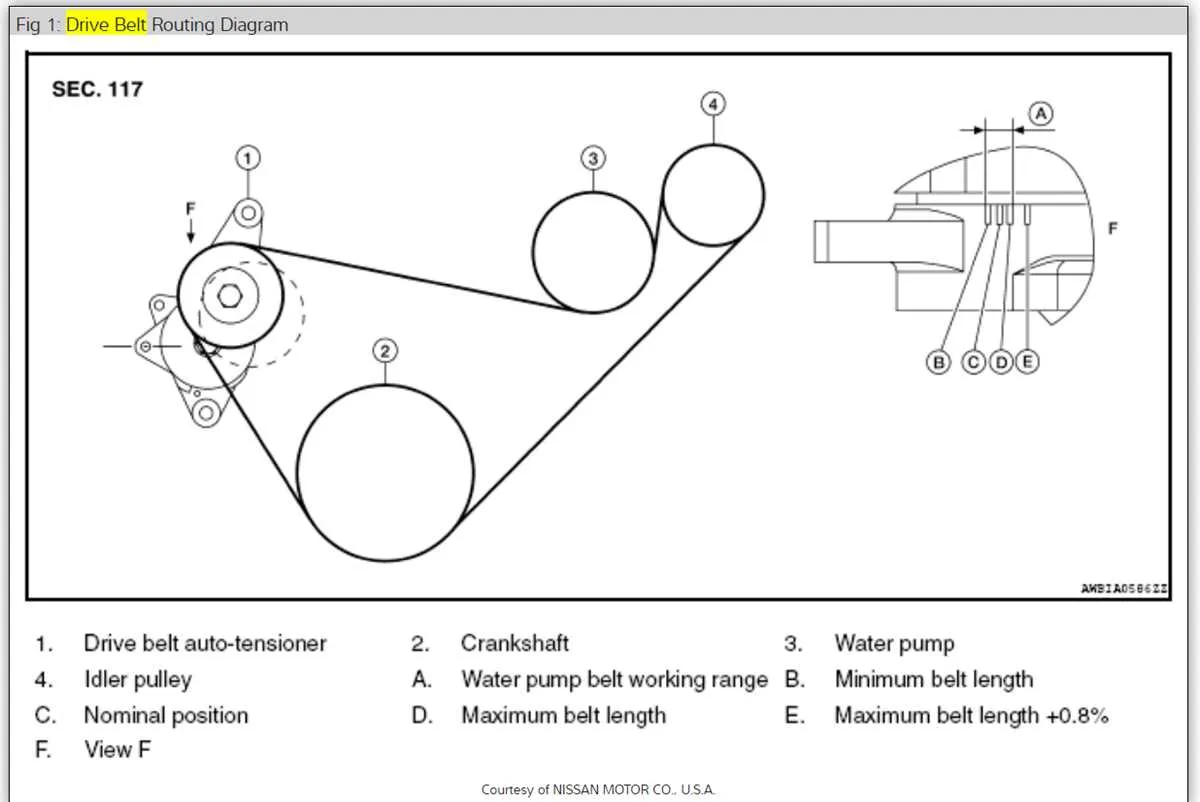
To properly maintain your 2010 Nissan Rogue, understanding the serpentine belt system is crucial. This belt powers essential engine components such as the alternator, air conditioning, and power steering. Ensuring it’s correctly installed can prevent unnecessary breakdowns and improve engine efficiency.
The serpentine belt diagram for the 2010 Nissan Rogue shows the correct routing path for the belt. This diagram is vital if you’re replacing the belt or performing maintenance. It helps avoid mistakes, ensuring the belt functions smoothly without slipping or causing damage to other components.
If you’re tackling a serpentine belt replacement, double-check the pulley alignment and tensioner placement. The tensioner should maintain the correct amount of pressure, preventing the belt from loosening or becoming too tight. Consult the diagram before proceeding with any adjustments to avoid unnecessary mistakes.
2010 Nissan Rogue Serpentine Belt Diagram
For a clear understanding of the serpentine belt layout on a 2010 Nissan Rogue, refer to the diagram showing the belt routing around key components like the alternator, power steering pump, and air conditioning compressor. Ensuring proper belt alignment is critical for the engine’s smooth performance.
Follow these steps to locate the belt routing on the 2010 Rogue:
- Locate the alternator at the front of the engine bay.
- The power steering pump is typically positioned towards the driver’s side, near the front.
- The air conditioning compressor sits next to the alternator, usually at the bottom of the engine.
- The tensioner is near the top of the engine, positioned to maintain proper belt tension.
The serpentine belt runs in a continuous loop, passing through these components. It is driven by the engine’s crankshaft pulley and helps power several systems at once. Be sure to inspect the belt regularly for signs of wear like cracks, fraying, or glazing.
Replacing the serpentine belt on the 2010 Rogue typically requires releasing tension from the belt tensioner using a wrench or ratchet. After loosening the tensioner, remove the old belt and replace it with a new one, following the diagram for proper routing. Ensure that the belt is seated correctly and that it moves smoothly across the pulleys before tightening the tensioner again.
Refer to the factory service manual for the most accurate serpentine belt routing diagram and the correct tension specifications for your vehicle.
How to Locate the Serpentine Belt Diagram on a 2010 Nissan Rogue
To locate the serpentine belt diagram on your 2010 Nissan Rogue, open the hood and look for the engine bay sticker. This label is usually found near the radiator or on the fan shroud, close to the driver’s side. The diagram should be printed on this label, showing the exact routing of the serpentine belt around the pulleys and accessories.
If the sticker is missing or damaged, check your owner’s manual. The manual typically includes the serpentine belt routing diagram along with additional details about the belt’s specifications. If you don’t have a hard copy, you can find a digital version on Nissan’s official website or consult third-party resources for diagrams specific to your vehicle model.
In case both the sticker and manual are unavailable, you can also look for a diagram online by searching for “2010 Nissan Rogue serpentine belt diagram.” Be sure to select the correct version of the Rogue to match your vehicle’s engine type, as variations in engines might affect the belt routing.
Step-by-Step Guide to Removing and Replacing the Serpentine Belt
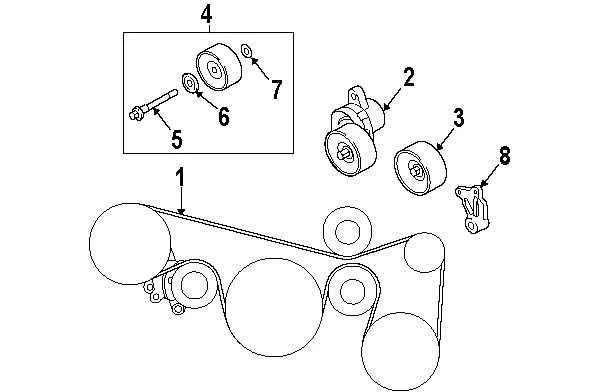
Begin by disconnecting the vehicle’s battery to avoid any electrical mishaps. Use a socket wrench to remove the negative terminal. This ensures safety before working with any engine components.
Next, locate the serpentine belt and the tensioner pulley. The tensioner controls the belt’s tightness and needs to be relieved to remove the belt. Use a socket or wrench to rotate the tensioner clockwise, easing the belt off the pulleys.
Carefully inspect the belt for any signs of wear, cracks, or fraying. If the belt is damaged, it’s time for a replacement. Keep track of how the belt is routed through the pulleys, as you’ll need to replicate the same pattern with the new belt.
Remove the old belt and place the new one over the pulleys. Start with the lowest point and work your way up, ensuring it sits properly on each pulley. Double-check the routing to match the original configuration.
Once the belt is properly aligned, use the tensioner pulley to tighten it. Rotate the tensioner back into position, ensuring the belt is securely in place. Verify the tension by pressing down on the belt. It should feel firm, with a little give when pressed.
Reconnect the battery and start the engine. Observe the new belt to ensure it runs smoothly and quietly. If you notice any unusual sounds or movement, double-check the belt alignment and tension.
Troubleshooting Common Issues with the Serpentine Belt on a 2010 Nissan Rogue
If you hear squealing or grinding sounds coming from your engine, or notice a decrease in power steering responsiveness, the serpentine belt could be worn or misaligned. Inspect the belt regularly for cracks, fraying, or signs of excessive wear. A damaged belt will not perform efficiently and can lead to other issues like overheating or battery problems.
When replacing the serpentine belt, always check the tensioner. A loose tensioner can cause the belt to slip, leading to inconsistent performance of accessories like the alternator, air conditioning, and power steering pump. If the belt appears intact but still fails to perform, the issue may lie in the tensioner or pulley system.
For a squeaking belt, it’s often caused by insufficient tension. Adjust the tensioner or replace a faulty pulley to maintain proper belt tension. Keep an eye on belt alignment as well. Misalignment can result in uneven wear and even cause the belt to jump off the pulleys.
If the engine is overheating, it’s worth checking the serpentine belt’s function on the water pump. A worn or loose belt may fail to drive the pump efficiently, leading to cooling system issues. A slipping belt may also reduce the alternator’s output, causing battery drain.
Examine the pulleys and tensioner for any signs of rust or damage. These components must rotate freely to ensure the belt remains in proper working condition. A faulty pulley can damage the new belt, shortening its lifespan.
Lastly, always use the correct replacement belt. A belt that’s too long or too short can cause alignment and tension issues. Refer to the vehicle’s manual for the exact specifications and installation guidelines.