Yard Machine MTD 38 mower deck belt diagram with routing and replacement guide
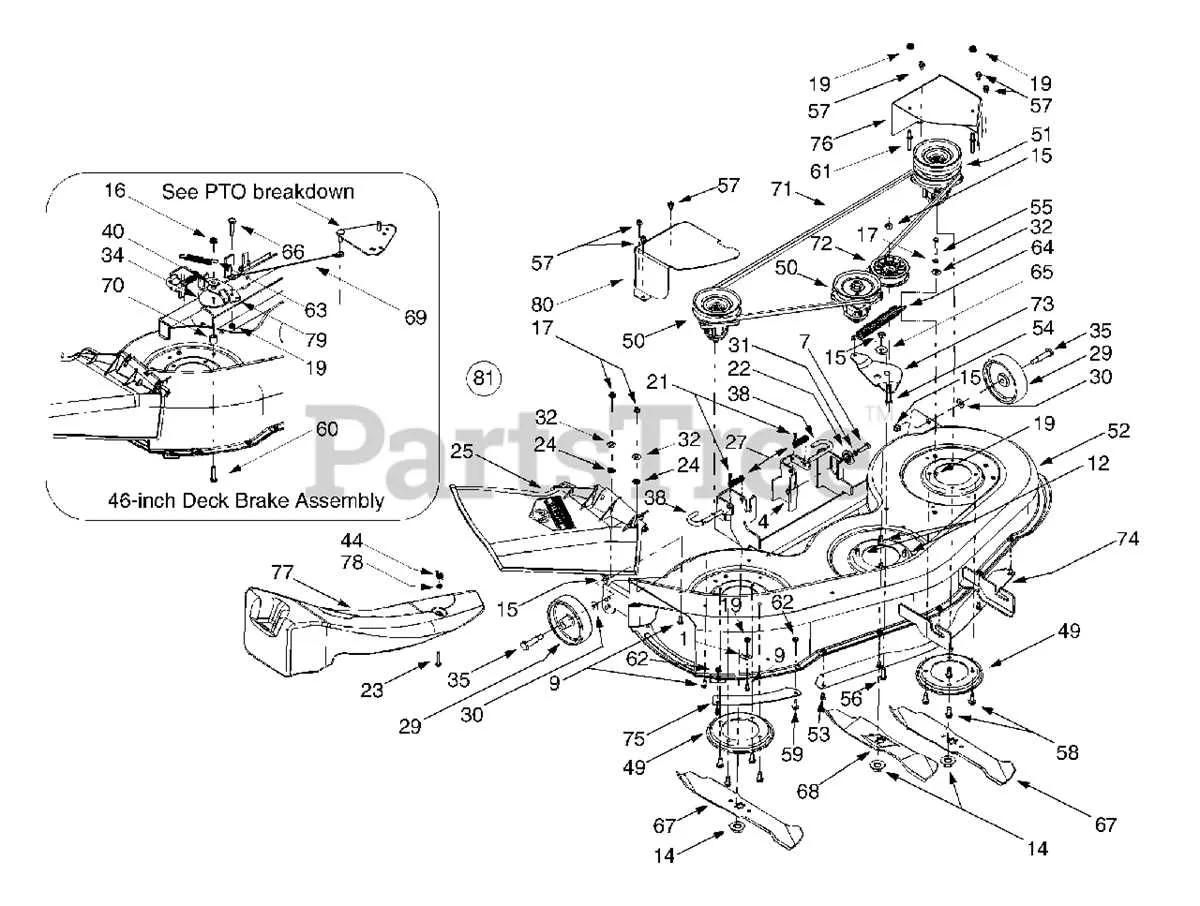
Check the belt routing before replacing any part of the mower deck. The Yard Machine MTD 38 uses a specific belt path that runs around the engine pulley, idler pulleys, and the spindle pulleys. A correct diagram prevents misalignment, reduces slippage, and avoids premature wear.
Use the diagram as a reference while loosening the deck and removing the old belt. Confirm that the new belt follows the same route across each pulley. Pay special attention to the flat and V-side orientation, since incorrect placement can damage both the belt and the pulleys.
Keep a printed or digital diagram near your workspace during installation. This reduces mistakes and saves time during reassembly. A clear view of the routing ensures smooth blade engagement and consistent cutting performance across the 38-inch deck.
Yard Machine MTD 38 Mower Deck Belt Diagram
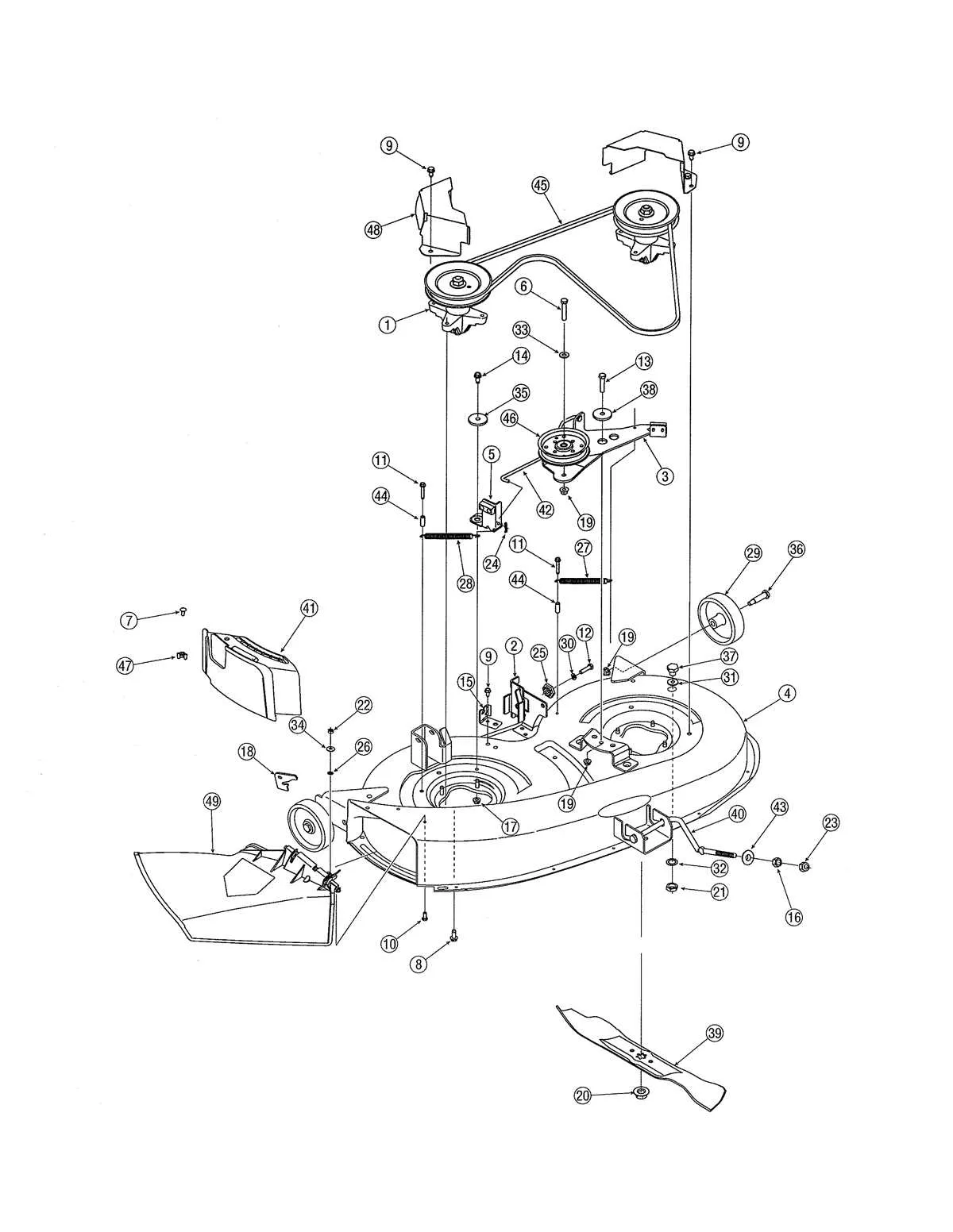
Check the belt routing before removing the old belt to avoid mistakes during reassembly. On the Yard Machine MTD 38 mower deck, the belt runs from the engine pulley to the deck pulleys, wrapping around both idler pulleys and the spindle pulleys that drive the blades. Each pulley has a specific role: the engine pulley provides power, the spindle pulleys transfer it to the blades, and the idlers maintain proper tension.
When replacing the belt, route it around the engine pulley first, then follow the diagram by looping it around the left and right spindle pulleys. Pass the belt through the flat and V-idler pulleys according to their alignment. Make sure the V-side of the belt sits inside the V-grooves of the pulleys, while the flat side rests against the flat idler.
After routing, engage and disengage the mower deck lever to check if the belt maintains tension without slipping. Adjust the idler arm spring if the belt appears loose. A correct installation prevents premature wear and ensures smooth blade operation.
Correct Belt Routing for Yard Machine MTD 38 Deck
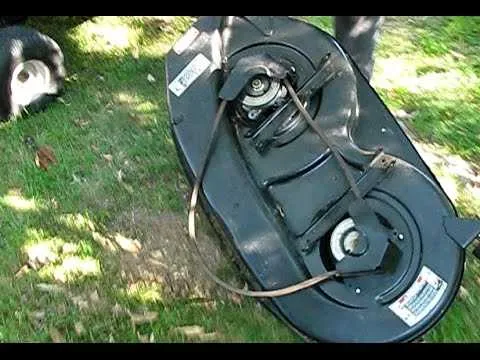
Place the belt around the engine pulley first, making sure it sits evenly inside the V-groove without twisting. Keep the belt tight and check its alignment before moving to the next pulleys.
Route the belt along both spindle pulleys. The belt should wrap around each pulley so that the flat side contacts flat idlers and the V-side fits securely into the spindle grooves. Maintain equal tension on both sides while guiding it.
Guide the belt through the idler pulleys that regulate tension and direction. One idler is spring-loaded; ensure the belt moves smoothly through it without slack. The other idler supports routing and must hold the flat side of the belt.
- Engine pulley → first contact point
- Spindle pulleys → belt routed with V-side inward
- Flat idlers → belt runs on the flat side
- Spring-loaded idler → keeps tension consistent
After positioning, rotate the blades manually to verify free movement and confirm the belt tracks correctly. Adjust the spring tensioner if the belt feels loose or slips during rotation.
Steps to Replace the Belt on Yard Machine MTD 38
Park the mower on a flat surface and set the parking brake. Disconnect the spark plug wire to prevent accidental starting.
Lower the mower deck completely. Remove the deck by pulling out the retaining pins and sliding it out from under the tractor.
Release the belt tension by moving the idler pulley arm. Take the worn belt off the pulleys, noting its routing around the engine pulley, idlers, and blade pulleys.
Place the new belt around the pulleys following the correct diagram. Make sure the belt sits properly in all pulley grooves and is not twisted.
Reinstall the mower deck under the tractor and secure it with the retaining pins. Reconnect the spark plug wire before testing the mower.
Tip: Spin each pulley by hand after installation to confirm smooth movement and proper alignment of the belt.
Troubleshooting Common Belt Issues on Yard Machine MTD 38
Check belt tension first, as a loose belt slips on pulleys and prevents consistent blade rotation. Adjust the tension by repositioning the idler pulley and confirm the belt fits firmly in every groove.
Inspect the belt surface for cracks, frayed edges, or glazing. Replace the belt if you notice shiny spots or broken cords, since worn sections reduce grip and shorten service life.
Verify pulley alignment, because even a slight tilt forces the belt to track incorrectly. Make sure pulleys spin smoothly without wobbling, and replace any bent or damaged ones immediately.
Clear debris from the mower deck area. Grass buildup pushes the belt out of its normal path, causing sudden slips or noise during operation. Clean the pulleys and guides thoroughly before reinstalling the belt.
Check the spring on the idler arm. A weakened spring cannot maintain proper tension, leading to frequent disengagement. Replace the spring if it stretches too easily or shows visible wear.