John Deere LA130 Deck Belt Diagram and Installation Guide
If your John Deere LA130 mower’s deck belt is showing signs of wear or malfunction, replacing it is simpler than you might think. First, locate the deck belt diagram, which will guide you in correctly routing the new belt. This diagram provides a step-by-step layout of how the belt should be threaded through the pulleys and guides for optimal performance. Understanding this diagram is key to ensuring smooth operation and avoiding potential damage to the mower’s components.
To begin, check the diagram closely for specific details about the routing. It’s essential that the belt sits correctly on each pulley, as improper installation can lead to premature wear or even a malfunctioning mower. Pay attention to how the belt interacts with the tensioner and idler pulleys, as these are often the first places where wear can cause issues.
Once you’ve verified the diagram and understand the routing, remove the old belt carefully. It’s recommended to wear gloves for better grip, especially if the belt is stiff or stuck. Take note of the belt’s orientation and compare it with the diagram to ensure your new belt goes in exactly the same way. This will save you time and prevent mistakes that could lead to further troubleshooting.
John Deere LA130 Deck Belt Diagram
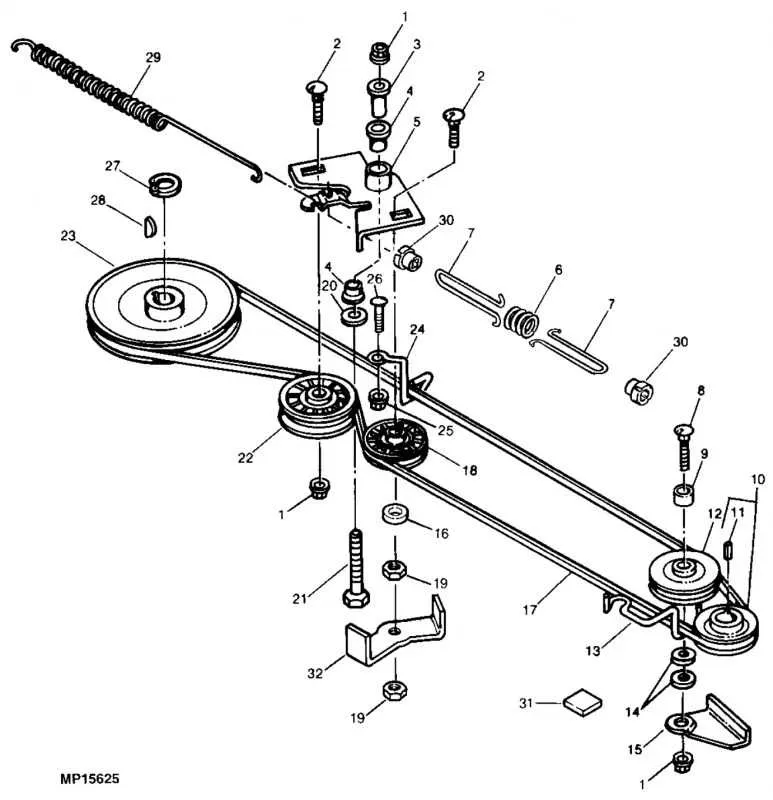
To replace the deck belt on your John Deere LA130, refer to this diagram for the proper routing. Begin by removing the mower deck from the tractor. Ensure the belt is positioned correctly through the pulleys and around the deck. The belt should run around the engine pulley, across the tensioner, and loop around the deck pulleys in a specific sequence. Pay attention to the idler pulley location and the correct positioning of the belt on each pulley. This routing ensures proper belt tension and smooth operation of the mower blades.
Start by removing the deck from the tractor and detaching the old belt. Once removed, install the new belt around the engine pulley and ensure it moves through the tensioner assembly. Carefully route the belt through the pulleys, making sure it’s aligned properly. The belt must be tensioned by the spring-loaded idler pulley to prevent slipping during operation.
Verify the belt’s path according to the diagram to avoid damage. Incorrect routing can cause the belt to wear prematurely or even snap. After installation, reattach the deck and check if the belt is correctly tensioned. Test the mower to ensure everything runs smoothly and quietly.
Step-by-Step Guide to Installing the Deck Belt on John Deere LA130
To replace the deck belt on your John Deere LA130, follow these steps carefully to ensure the job is done correctly.
1. Lift the Mower Deck
Begin by lifting the mower deck. Use the deck lift lever to raise it to its highest setting. If necessary, block the deck for extra stability.
2. Remove the Old Deck Belt
Disconnect the spark plug wire to prevent accidental starting. Loosen the tension on the belt by removing the spring that holds it in place. Carefully slip the old belt off the pulleys and around the deck.
3. Inspect the Deck Components
Before installing the new belt, check the pulleys, idlers, and belt guides. Make sure they are clean and free of any debris or damage that could cause the new belt to wear prematurely.
4. Install the New Belt
Place the new belt over the pulleys and ensure it is positioned correctly according to the belt routing diagram. Pay attention to the direction of the grooves, as they need to match the pulleys for smooth operation.
5. Secure the Belt Tensioner
Reattach the spring that holds the tensioner in place. This will apply the correct tension to the belt and keep it from slipping during operation.
6. Test the Deck Function
Lower the deck back into its normal position. Start the engine and engage the mower deck to check for proper belt movement. Listen for any unusual noises that could indicate misalignment or incorrect installation.
7. Reconnect the Spark Plug Wire
Once you’re confident the belt is properly installed and functioning, reconnect the spark plug wire to ensure the mower is ready to use.
Common Issues with the Deck Belt and How to Fix Them
Inspect the belt for cracks, frays, or wear. A damaged belt often causes uneven cutting or failure to spin the blades properly. If the belt shows signs of damage, replace it with a new one to restore optimal performance.
If the belt slips off the pulleys, check for misalignment. A misaligned pulley can cause the belt to slip, leading to poor performance or even complete failure. Adjust the pulleys to align them properly, making sure each pulley is securely fastened and free of debris.
Sometimes, the belt can become too tight or too loose, which leads to excessive wear or malfunction. Adjust the tension using the appropriate tensioning mechanism to ensure it’s neither too tight nor too loose. A properly tensioned belt runs smoothly and prolongs the life of your mower.
If the mower’s deck starts to vibrate excessively, inspect the belt path for any objects blocking it. Debris like grass clippings or small branches can obstruct the belt’s movement, causing vibrations. Clean the area thoroughly to prevent further damage.
Another issue is the belt jumping off the pulleys during operation. This often occurs when the pulleys are worn or damaged. Check the pulleys for any signs of wear or cracking. If they are in poor condition, replace them before reinstalling the belt.
- Inspect the deck belt after every use to detect any early signs of wear.
- Regularly clean the deck area to prevent debris buildup around the pulleys.
- Ensure that the belt is routed correctly according to the manufacturer’s diagram.
- Maintain proper pulley alignment to prevent belt slippage.
Understanding the Layout and Routing of the LA130 Deck Belt
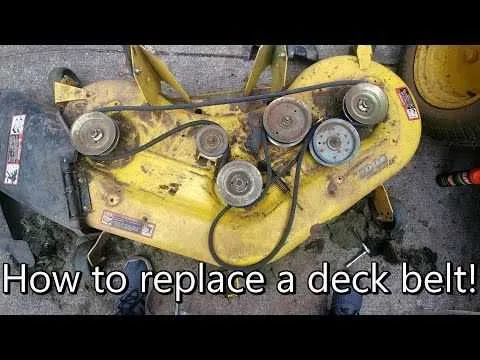
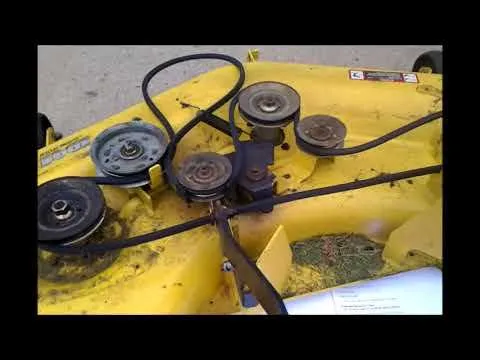
The LA130 deck belt routing is key to smooth mower operation. The belt connects the engine’s pulley to the mower blades, transferring power efficiently. When routing the belt, follow the correct path to avoid slippage and ensure proper tension.
Begin by routing the belt over the engine pulley, ensuring it fits snugly around it. Next, direct the belt to the deck, making sure it loops around the idler pulleys. The idler pulleys maintain the correct tension, preventing the belt from loosening during operation.
Make sure the belt passes through the deck and around the blades, securing it on the spindle pulleys. Pay close attention to the direction of the belt around these pulleys, as incorrect routing can result in uneven blade movement or damage to the belt.
Double-check the alignment to ensure that the belt moves freely without obstruction or excessive friction. The tension on the belt must be balanced; too tight or too loose can cause premature wear or slippage. Test the mower by manually rotating the blades to confirm smooth movement.
For maintenance, regularly inspect the belt for wear, cracks, or fraying. Replace the belt if it shows any signs of damage. Always use the manufacturer’s recommended replacement belt for optimal performance.