Exmark 52 Inch Deck Belt Diagram and Installation Guide
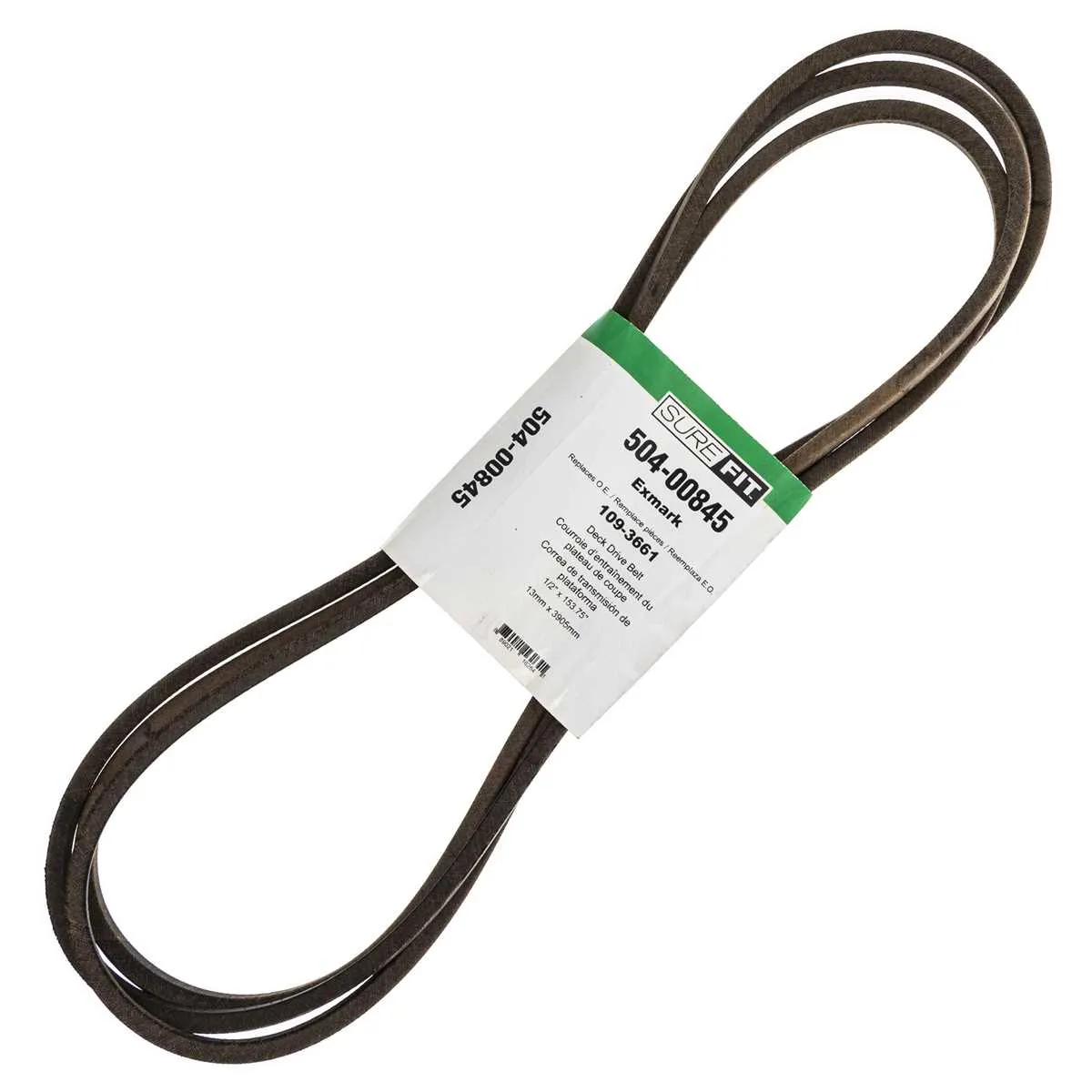
If you’re replacing or maintaining the belt on your Exmark 52” deck, referring to the correct diagram can make the job much easier. It’s crucial to ensure the belt is properly routed to avoid damage and ensure smooth operation of the mower. Start by locating the tension pulley, which plays a key role in keeping the belt under proper tension during use.
The diagram clearly shows how the belt runs around the deck’s pulleys. Pay attention to the direction the belt should follow, as misrouting can cause excessive wear or even breakage. For precise installation, remember to check that the belt aligns correctly with each pulley, especially the idler pulley, to maintain optimal tension.
Once you’ve routed the belt, manually rotate the blades to ensure everything is moving freely and smoothly. This step helps you confirm that the belt is set correctly and won’t slip during operation. If you notice any unusual resistance or noise, recheck the routing or the condition of the belt.
Exmark 52” Deck Belt Diagram
When replacing or adjusting the belt on your Exmark 52” deck, follow the diagram closely to ensure proper routing. Incorrect belt placement can lead to reduced performance and even damage the components.
Start by locating the belt path shown in the diagram. The key is ensuring the belt runs around the pulleys without slipping or crossing over. Pay attention to the tension springs as they must remain aligned to maintain belt tension.
- The belt should loop around the primary drive pulley at the back of the deck.
- Route the belt over the idler pulleys, ensuring they maintain proper alignment.
- Make sure the belt fits snugly in the guides and doesn’t overlap or sit too loosely.
- After positioning the belt, check for any slack and adjust the tension as needed.
Regularly inspect the belt for signs of wear, such as cracks or fraying, and replace it if necessary. Following this diagram closely will keep your Exmark mower running smoothly for longer periods without unexpected breakdowns.
Understanding the Components of the Exmark 52” Deck Belt System
The Exmark 52” deck belt system is built around several key components that ensure smooth operation. The primary part is the deck belt, which transfers power from the engine to the blades, enabling them to cut grass efficiently. A well-maintained belt ensures optimal performance, preventing issues like slipping or uneven cutting.
Next, focus on the pulleys, which guide the belt around the deck. Each pulley is mounted securely and aligned to prevent wear. If you notice the belt slipping or making noise, check for misaligned pulleys, as this can lead to premature belt damage. Regularly inspect pulleys for cracks or signs of wear and replace them as necessary.
The idler pulleys play a critical role in tensioning the belt. They help maintain the correct belt tension, preventing it from becoming too loose or too tight. A loose belt can cause slippage, while a tight belt increases wear on the engine and other components. Check the idler pulleys for smooth rotation and replace them if they are worn or damaged.
In addition to the pulleys, the belt guide is important for ensuring that the belt stays in place and moves smoothly across the system. These guides should be checked for any obstructions or misalignments that could cause the belt to move off track.
Lastly, the deck itself must be in good condition. If the deck is damaged, it can affect the performance of the belt system. Ensure the deck is free from debris and any sharp edges that could cut or damage the belt. Regular cleaning of the deck will prolong the life of the belt and other components.
By keeping these components in top condition, you can extend the life of your Exmark 52” deck belt system and maintain optimal mowing performance.
Step-by-Step Guide to Installing the Exmark 52” Deck Belt
To replace the deck belt on your Exmark 52” mower, start by raising the deck to its highest position. This provides easier access to the components and reduces strain during installation.
Next, disconnect the spark plug wire to prevent accidental engine starts while working. This step is crucial for safety. After that, remove any debris or grass buildup around the deck pulleys to ensure smooth operation.
Locate the old belt and assess how it runs through the pulleys. Take note of the routing pattern, as this will be the same for the new belt. If necessary, refer to the owner’s manual for an accurate diagram of the belt path.
Loosen the tension on the deck belt by releasing the spring-loaded tensioner. This will allow you to remove the old belt. If the belt is worn or broken, simply pull it out of the pulleys carefully.
Install the new belt by following the same path as the old one. Start by placing the belt over the top pulleys, making sure it sits properly in each groove. Ensure that the belt runs through all the pulleys, including the tensioner, without being twisted.
Once the belt is in place, check its alignment. The belt should not be rubbing against any components, and it should run freely along the pulleys without excessive slack.
Next, tighten the spring-loaded tensioner to apply the proper tension to the belt. This step is critical for smooth operation and to prevent premature wear.
After securing the belt, double-check that it moves smoothly by rotating the pulleys by hand. If everything looks correct, reconnect the spark plug wire.
Finally, lower the deck back to its normal operating height. Test the mower by starting it and running it at low speed. Listen for any unusual sounds that might indicate improper belt installation.
Common Issues and Troubleshooting with the Exmark 52” Deck Belt
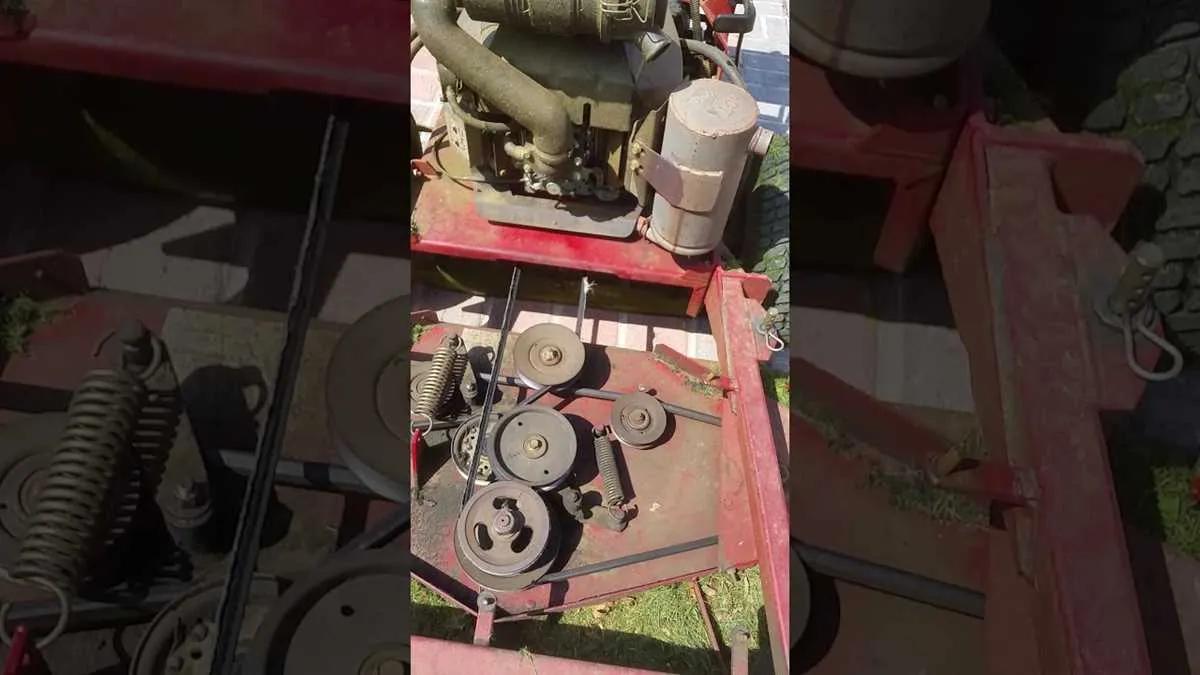
Check for proper tension. A loose deck belt can cause slippage and poor cutting performance. If the belt feels slack, adjust the tension using the tension adjustment mechanism according to your Exmark model’s manual.
If the belt keeps slipping off, inspect the pulleys. Worn or damaged pulleys can cause misalignment and lead to the belt coming off. Replace any faulty pulleys and ensure that all parts are aligned correctly.
A frayed or cracked deck belt usually indicates excessive wear. Examine the belt for visible damage and replace it if necessary. Regularly inspect the belt for debris, as buildup can cause premature wear and damage.
If the belt is excessively noisy during operation, check for obstructions or debris caught around the pulleys or belt. Clean the deck and surrounding area to ensure smooth operation. Make sure the belt is routed correctly and that no components are rubbing against it unnecessarily.
If the mower has reduced power or the deck isn’t spinning properly, inspect the idler pulley and spring system. A malfunction in these components can prevent the belt from functioning correctly. Adjust or replace the springs as needed.
In case of inconsistent cutting patterns, verify the alignment of the deck. Misalignment can cause uneven belt tension, leading to subpar cutting results. Adjust the deck level and alignment following your user manual’s guidelines.