L120 deck belt diagram with clear routing guide for correct installation and replacement
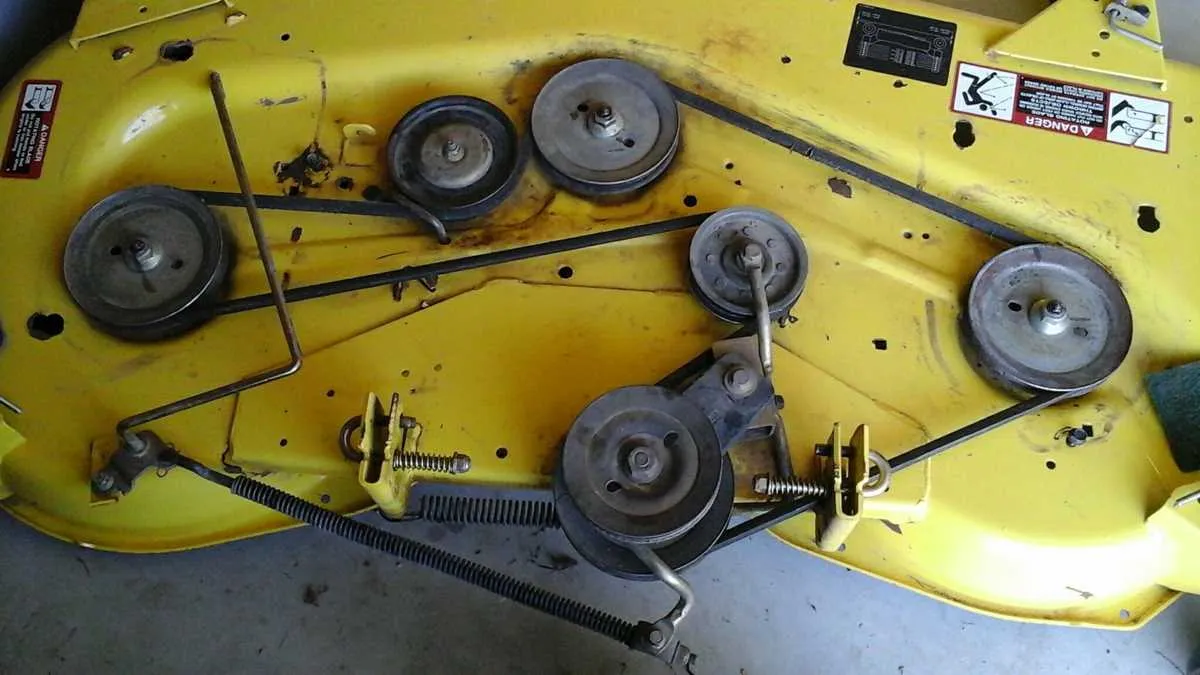
Check the belt routing on the John Deere L120 by following the correct diagram before tightening any pulleys. A misaligned belt causes uneven cutting and premature wear, so always confirm that the belt sits inside the pulley grooves without twists.
Use a 5/8-inch deck drive belt for the L120 model. Verify the belt length and width against the manufacturer specifications, as small variations lead to slippage under load. Always replace a belt that shows cracks, glazing, or fraying, since these signs indicate reduced grip.
Inspect each pulley while reviewing the diagram. A worn spindle or idler bearing increases tension inconsistencies, which shortens belt life. Spin every pulley by hand; replace any that feel rough or wobbly. Maintaining correct alignment with the diagram helps extend both belt and pulley service life.
Apply steady tension when installing the belt through the spring-loaded idler arm. Avoid forcing the belt with tools that may damage the cord structure. Following the L120 deck belt diagram step by step ensures smooth reassembly and consistent mowing performance.
L120 Deck Belt Diagram
Use the diagram to place the belt around the pulleys in the exact order: wrap it first on the engine pulley, then route it across the deck idler pulleys, and finish by securing it on the spindle pulleys. Keep steady tension throughout installation to avoid slack.
Confirm that the V-side of the belt fits into the V-grooved pulleys and the flat side rests on the flat pulleys. Incorrect alignment can cause slipping, uneven cutting, or premature wear. Adjust the belt path immediately if any misplacement is visible.
Check pulley movement by rotating them by hand after routing the belt. Each pulley should turn freely without obstruction. Use the diagram as reference whenever replacing the belt to maintain correct tension and reliable deck performance.
Identifying the Correct Deck Belt Size for John Deere L120
Use a belt that matches the original John Deere specification: part number GX20305. This belt measures 1/2 inch in width and approximately 139 inches in length, ensuring proper fit on the 48-inch mower deck of the L120 model.
Verify the belt dimensions before purchase, since variations in aftermarket parts may cause improper tension or slipping. Always check the width and length against the factory specification to avoid uneven blade rotation or premature wear.
When replacing, inspect pulleys and idlers for wear, as damaged components can shorten the lifespan of a new belt. A correct match ensures smooth power transfer, consistent cutting performance, and reduced strain on the mower’s transmission system.
Step by Step Routing of the L120 Deck Belt Around Pulleys
Route the L120 deck belt by starting at the engine pulley and working your way around each deck pulley in sequence. Keep the flat side of the belt against flat pulleys and the V side inside the groove pulleys to maintain correct alignment.
- Position the belt around the engine drive pulley at the center above the deck.
- Guide the belt down to the right idler pulley, ensuring the flat side contacts the pulley surface.
- Wrap the belt around the right mower blade pulley, keeping the V side inside the groove.
- Continue routing across to the left mower blade pulley, again keeping the V side inside the groove.
- Run the belt toward the left idler pulley, allowing the flat side to ride against the pulley surface.
- Bring the belt back toward the center and around the tensioner pulley, keeping alignment straight and secure.
- Recheck the entire routing path to confirm the belt sits fully in all grooves without twisting.
After routing, apply tension using the deck’s spring-loaded idler arm and rotate each pulley by hand to confirm smooth tracking before engaging the mower blades.
Troubleshooting Misalignment and Slipping in the L120 Deck Belt
Check the pulley alignment first, since a bent or loose bracket often forces the belt to run off track. Tighten mounting bolts and replace any deformed pulleys to restore the correct angle of rotation.
Inspect the idler arm spring tension. A weak or stretched spring fails to keep the belt firmly against the pulleys, leading to slipping. Replace the spring if it shows signs of elongation or rust damage.
Clean debris from the pulley grooves. Grass or dirt buildup reduces contact between the belt and pulley surfaces, causing loss of traction. Use a wire brush or compressed air to clear out the channels completely.
Measure belt width against factory specifications. A worn belt that has narrowed will not grip correctly and may slip under load. Replace with a John Deere OEM belt of the exact L120 size to maintain proper fit.
Verify spindle bearings for smooth rotation. Rough or seized bearings increase resistance, forcing the belt to shift or slide. Replace defective spindles to prevent further belt misalignment.