2005 Dodge Ram 4.7 Engine Belt Diagram Guide for Proper Routing and Maintenance
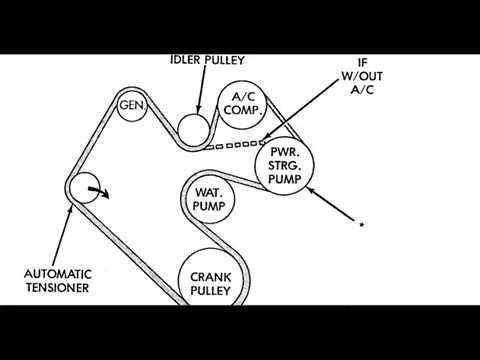
Locate the serpentine belt at the front of the 4.7L V8 engine, wrapping around the alternator, water pump, power steering pump, and A/C compressor. Ensure the engine is off and cooled before inspecting or removing the belt.
Check belt alignment by tracing each pulley according to the 2005 Dodge Ram 4.7 belt diagram. Misaligned belts can cause squealing, premature wear, or accessory failure, so follow the correct path precisely.
Inspect tensioner function by applying light pressure to the tensioner pulley. A smooth, spring-loaded response confirms proper tension. Replace the belt if cracks, fraying, or glazing appear along its length to maintain engine performance and reliability.
Use the diagram as a reference for reinstallation. Mark the routing on paper or take a photo before removal to avoid errors. Proper alignment reduces stress on pulleys and extends belt lifespan while ensuring all components operate without interruption.
2005 Dodge Ram 4.7 Belt Diagram Practical Guide for Maintenance and Replacement
Consult the belt diagram before performing any maintenance or replacement on your 2005 Dodge Ram 4.7L engine. Accurate routing prevents misalignment, slipping, and premature wear.
Inspect belts for cracks, fraying, glazing, or uneven wear. Measure belt tension using a tension gauge; the factory specification for the serpentine belt is approximately 200–250 N (45–55 lbf) at the midpoint of the longest span.
- Locate the serpentine belt routing diagram printed on the radiator support or under the hood; if missing, follow this sequence: crankshaft pulley → alternator → water pump → power steering pump → idler pulleys → AC compressor.
- Use a 3/8″ or 1/2″ breaker bar to release the tensioner. Rotate clockwise to relieve tension, remove the belt, and inspect pulleys for smooth rotation and alignment.
- Install the new belt according to the diagram, ensuring it sits fully in each pulley groove. Avoid forcing the belt over pulleys; improper seating can cause noise or slippage.
- After installation, rotate the crankshaft manually two full turns to ensure proper alignment and tension. Recheck tension at the longest span.
- Replace the tensioner if the pulley shows wobble, unusual noise, or excessive wear. Tensioner replacement can prevent belt misalignment and premature failure.
Check belt condition and tension every 12,000 miles or 12 months, whichever comes first. Keep a spare serpentine belt on hand for quick replacement during long trips.
Identifying Each Belt and Its Function in 2005 Dodge Ram 4.7
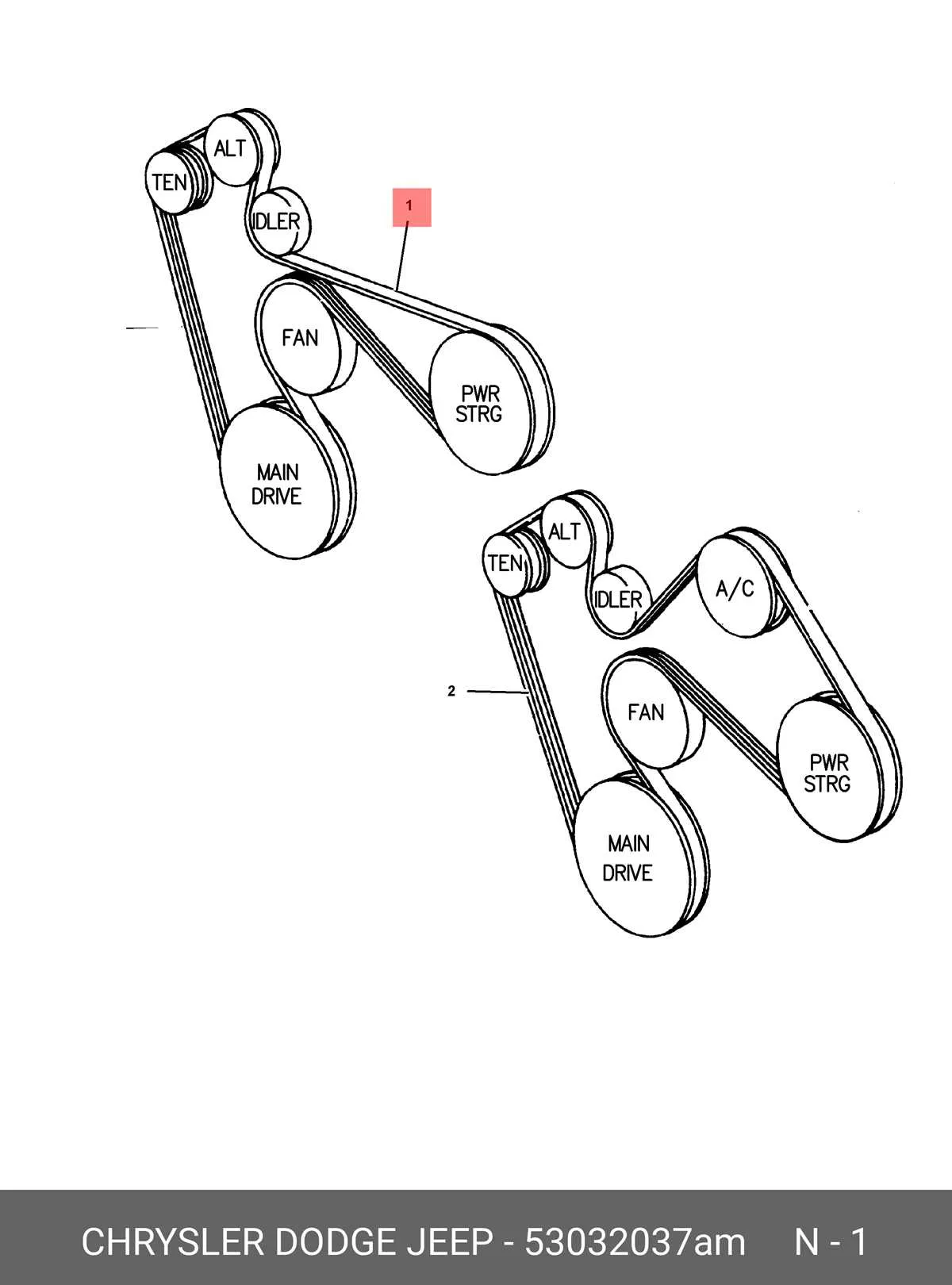
Locate the serpentine belt first, as it drives multiple components on the 4.7L engine. It powers the alternator, water pump, power steering pump, and air conditioning compressor. Inspect the belt for cracks or fraying before attempting replacement.
The alternator belt loop transfers engine rotation to generate electrical power. Its tension should allow minimal deflection–roughly half an inch–when pressed at the midpoint between pulleys.
The power steering belt moves the fluid pump, ensuring smooth steering. A worn belt may cause whining or difficulty turning the wheel, signaling the need for immediate replacement.
The A/C compressor belt runs the air conditioning system. Confirm that it aligns with the designated pulleys and remains tight without slippage to maintain cooling performance.
Some 2005 Dodge Ram 4.7 engines include a separate fan belt for the engine cooling fan. This belt should be free of cracks, properly tensioned, and rotated periodically to prevent overheating.
Regularly check each belt’s routing against the factory diagram to avoid misalignment. Incorrect routing can damage components or reduce system performance, so maintain clear access to the diagram during inspection or replacement.
Document any wear patterns or unusual noises from specific belts to identify which component may need service. Addressing issues early prevents further mechanical strain and ensures consistent engine operation.
Step-by-Step Guide to Replacing the Serpentine and Accessory Belts
Begin by disconnecting the negative battery terminal to prevent accidental electrical contact. Locate the serpentine belt routing diagram on the engine or refer to a service manual to ensure correct installation.
Use a wrench or serpentine belt tool to rotate the tensioner pulley clockwise and relieve tension on the belt. Slide the belt off the pulleys carefully, noting its path for reinstallation.
Inspect all pulleys and the tensioner for wear, misalignment, or damage. Replace any components showing grooves, cracks, or wobble before installing the new belt.
Route the new serpentine belt according to the diagram, ensuring it sits correctly in each pulley groove. Rotate the tensioner again to allow the belt to pass over it, then release the tensioner slowly to apply proper tension.
Verify belt alignment by checking that it runs evenly across all pulleys without twisting. Start the engine and observe the belt operation for a few seconds to confirm smooth movement and correct tension.
For accessory belts such as the alternator or power steering belts, follow the same procedure: relieve tension, remove the old belt, inspect pulleys, route the new belt correctly, and apply tension according to manufacturer specifications.
After installation, double-check all fasteners and tensioner settings, then reconnect the battery terminal. Test drive briefly to ensure the belts maintain consistent contact and operate without noise or slippage.
Checking Belt Tension and Alignment for Optimal Engine Performance
Measure the serpentine belt tension using a calibrated tension gauge. For the 2005 Dodge Ram 4.7, the correct deflection under 10 lb of pressure is approximately 1/4 inch. Too much slack can cause slippage, while excessive tension can strain bearings and pulleys.
Inspect the belt alignment across all pulleys. Misalignment can wear grooves unevenly and generate squealing noises. Ensure the belt tracks within the pulley edges without lateral deviation. Adjust the idler or tensioner pulleys to correct minor misalignments.
Check for visible signs of wear: cracks, fraying, glazing, or missing ribs indicate the belt should be replaced. Examine the pulleys for grooves, rust, or damage that could affect belt routing and performance.
After adjustment, rotate the engine manually for two full revolutions and recheck tension and alignment. Confirm that the belt maintains consistent contact across all pulleys and returns to the specified deflection.
Repeat these checks periodically every 15,000 miles or during routine maintenance. Consistent tension and precise alignment improve accessory operation and prevent premature belt failure, maintaining reliable engine performance.